Controlling Your Aging Speed


We often think of aging as a fixed timeline, a steady march of calendar years that we can’t influence. But science is revealing a different story. While your chronological age is a simple count of birthdays, your biological age reflects the true health and condition of your cells. This internal clock can tick faster or slower depending on a host of factors, many of which are directly within your control.
Think of your body not as a machine destined to wear out, but as a dynamic system that constantly responds to the signals you provide. The speed at which you age is not predetermined; it's a fluid process influenced by daily choices. By understanding the core pillars that govern cellular health, you can adopt intelligent habits that encourage resilience, repair, and long-term vitality. This isn't about finding a magic bullet, but about building a sustainable framework for a longer, healthier life.
Mastering Your Metabolic Machinery
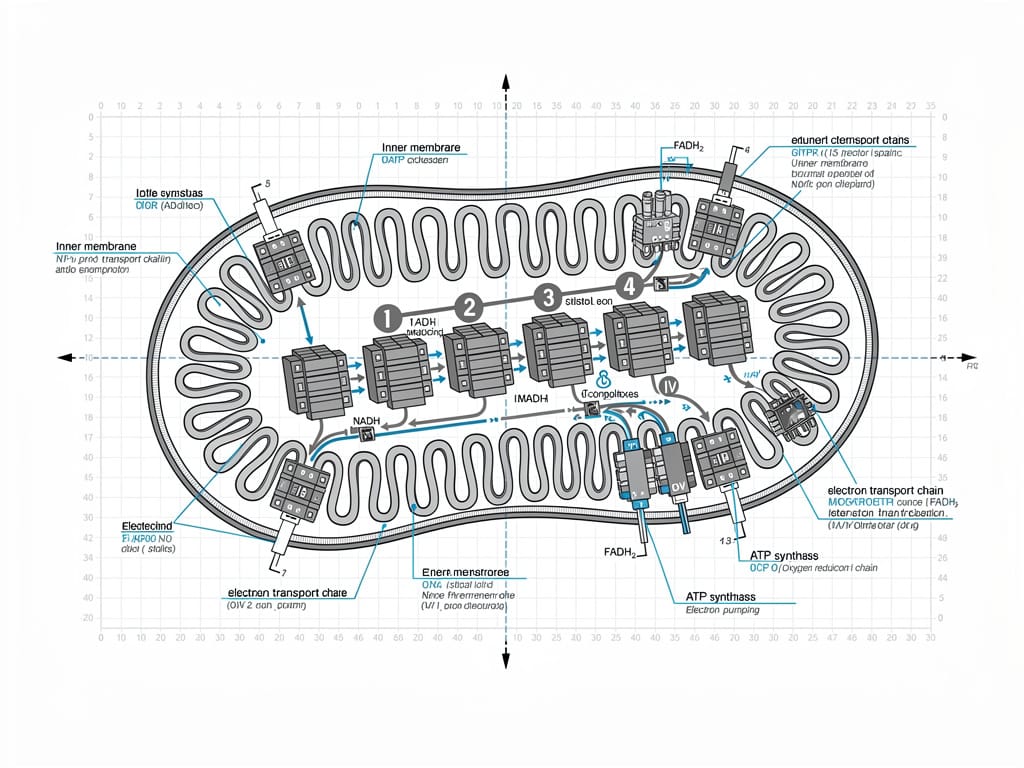
Your metabolism is the engine room of your body, converting food into energy for every single cellular function. Keeping this engine running cleanly and efficiently is fundamental to managing your biological age. Poor metabolic health, on the other hand, accelerates wear and tear on a systemic level.
- Prioritize Protein and Nutrient Density
What you eat provides the raw materials for your body's maintenance and repair crews. Supplying high-quality materials is non-negotiable for healthy aging.- Maintaining lean muscle mass is a cornerstone of a healthy metabolism. Adequate protein intake supports muscle synthesis, which helps regulate blood sugar and keeps your metabolic rate from declining.
- Micronutrients-vitamins and minerals-act as the spark plugs for countless biochemical reactions. A diet rich in colorful vegetables, quality proteins, and healthy fats ensures your cells have the tools they need to function correctly.
- Stabilize Your Blood Sugar
Constant spikes and crashes in blood sugar create a stressful internal environment that speeds up the aging process through inflammation and cellular damage.- Large glucose swings can lead to a process called glycation, where sugar molecules attach to proteins and fats, creating harmful compounds that stiffen tissues and impair function.
- You can buffer the impact of carbohydrates by pairing them with fiber, fat, and protein. This simple strategy slows down digestion and promotes a much gentler glucose response.
Activating Cellular Repair and Resilience
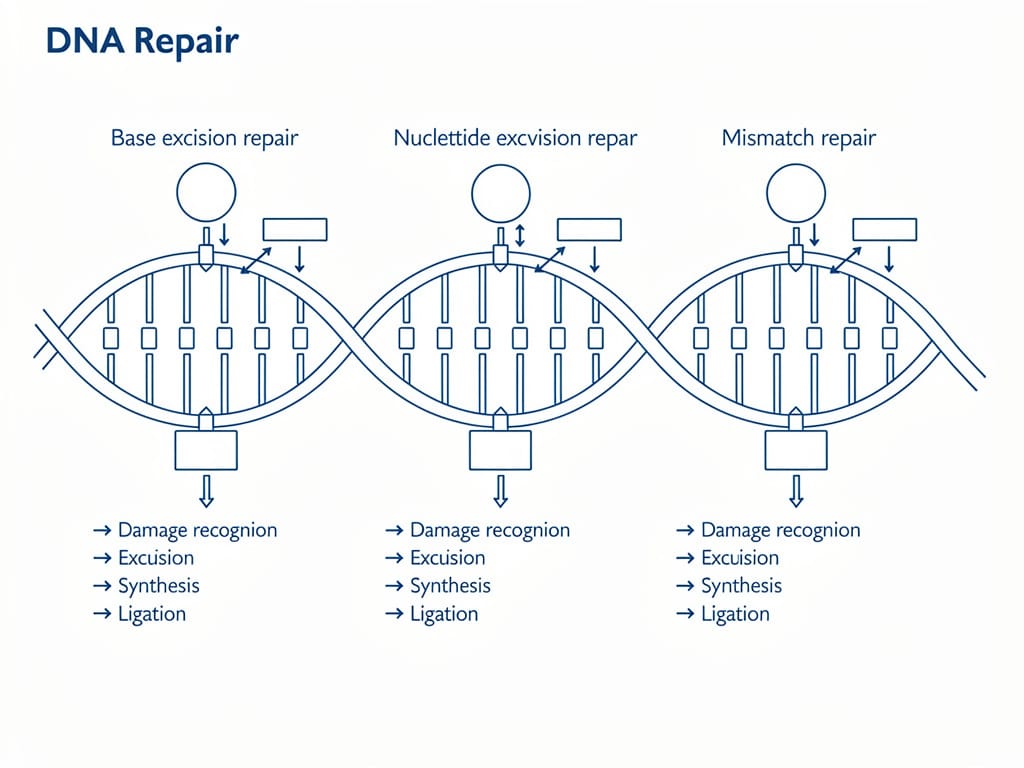
Beyond what you eat, how you move and rest sends powerful signals to your cells, instructing them to either break down or build back stronger. These habits are your direct line of communication for activating the body’s innate repair systems.
- Incorporate Strategic Movement
Exercise is not just about burning calories; it's a potent biological signal that promotes strength, efficiency, and resilience from the cellular level up.- Resistance training is key for building and maintaining muscle and bone density, both of which decline with age. It also improves your body's sensitivity to hormones like insulin.
- Low-intensity steady-state cardio (often called 'Zone 2') is exceptional for improving mitochondrial health. Healthier mitochondria are better at producing energy and create fewer damaging byproducts.
- Optimize Your Sleep Cycle
Sleep is not a passive state of rest. It's a highly active period of deep cleaning and repair that is absolutely essential for managing the aging process.- During deep sleep, your brain and body engage in critical maintenance processes, including clearing out metabolic waste and repairing damaged cells through a process called autophagy.
- A consistent sleep schedule, a cool and completely dark room, and avoiding screens before bed can significantly improve your sleep quality, allowing these repair systems to do their job properly.
Controlling your aging speed is an ongoing practice of making informed, consistent choices. Each meal, workout, and night of sleep is an opportunity to send your body a signal of health and regeneration. By focusing on these foundational pillars, you empower yourself to build a more resilient system that doesn't just add years to your life, but adds life to your years. For any specific health concerns or before making significant lifestyle changes, always consult with a qualified healthcare professional.