Can Your Skin Predict Future Health Problems?

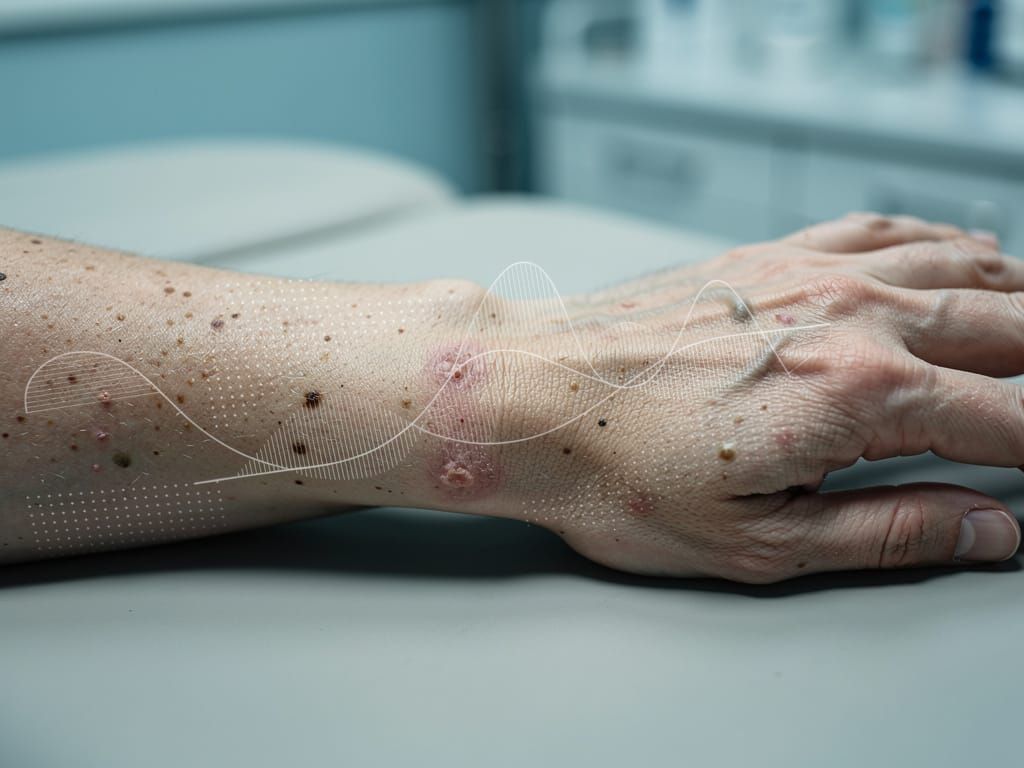
- Your skin is a powerful indicator of internal health, often showing the first signs of nutritional deficiencies, hormonal imbalances, or systemic inflammation.
- Specific skin issues like persistent adult acne, psoriasis, or unusual dark patches can be linked to underlying conditions ranging from metabolic issues to autoimmune responses.
- Observing changes in your skin's texture, color, and healing ability provides early feedback, prompting lifestyle adjustments or a visit to a healthcare professional for proper evaluation.
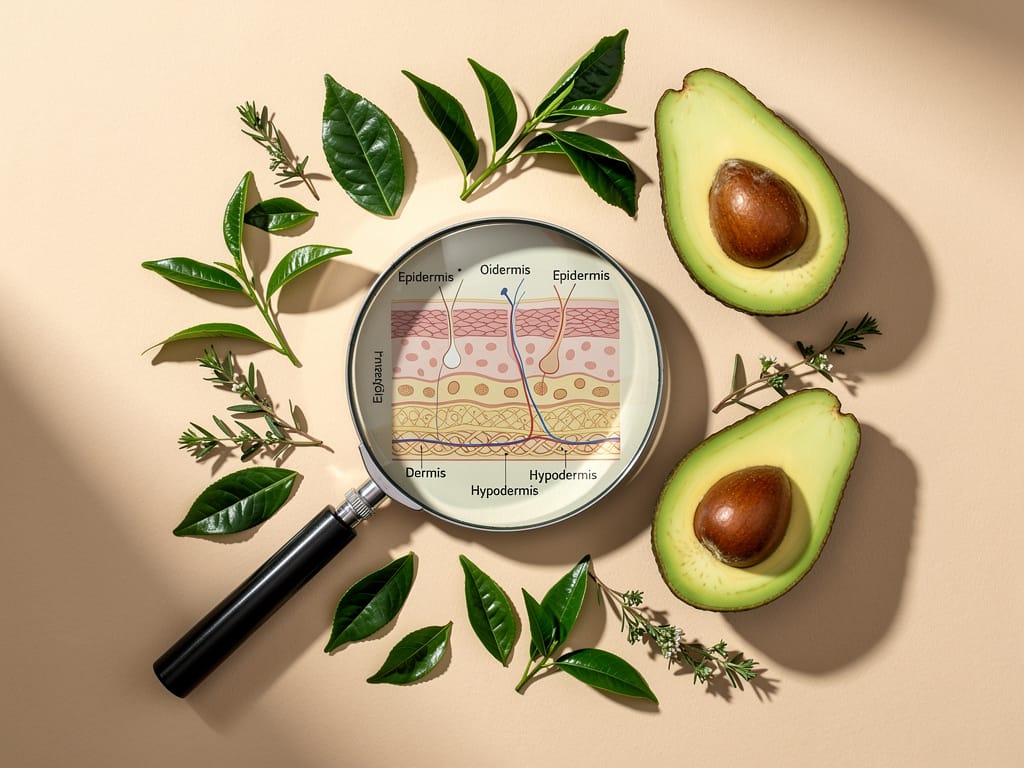
The Skin as a Diagnostic Mirror
Think of your skin as more than just a protective outer layer. It's the body's largest organ and a dynamic communication hub, constantly reflecting what’s happening inside. When your internal systems are out of balance, your skin is often one of the first places to send up a flare. Chronic inflammation, driven by factors like a high-sugar diet, persistent stress, or poor gut health, doesn't stay hidden for long. It can surface as redness, puffiness, breakouts, or flare-ups of conditions like eczema.
This connection is deeply rooted in your biology. Your skin, gut, and brain are developed from the same embryonic tissue, creating a lifelong link. This is why emotional stress can trigger a psoriasis flare-up, or why digestive issues might manifest as acne. By learning to interpret these external signals, you gain valuable insight into your body's internal environment, allowing you to address root causes instead of just treating surface-level symptoms.
Common Clues and Their Potential Meanings

Your skin provides a continuous stream of data about your health, but it’s important to know which signals warrant closer attention. While a single pimple is rarely cause for alarm, persistent or unusual patterns can be meaningful. For instance, skin that suddenly becomes excessively dry and flaky might point to a thyroid issue or a deficiency in essential fatty acids. Similarly, a yellowish tint to the skin or eyes, known as jaundice, can indicate problems with the liver.
These connections are not old wives' tales; many are well-documented in scientific literature. While this list is for informational purposes only and never a substitute for professional diagnosis, here are a few well-known correlations:
- Persistent Jawline Acne: In adults, breakouts concentrated around the chin and jaw can be linked to hormonal fluctuations, sometimes associated with conditions like polycystic ovary syndrome (PCOS).
- Velvety Dark Patches: The appearance of dark, thick, velvety skin in body folds (like the neck or armpits) is called acanthosis nigricans, a common sign of insulin resistance.
- A 'Butterfly' Rash: A distinct rash spreading across the cheeks and nose in the shape of a butterfly is a classic indicator associated with the autoimmune condition lupus.
- Psoriasis or Eczema Flare-ups: These inflammatory conditions often point to an overactive immune response and can be triggered by stress, diet, or gut imbalances.
Again, these are simply potential correlations. It is absolutely essential to consult with a qualified dermatologist or your primary care physician to get an accurate diagnosis for any new or concerning skin changes.
Proactive Steps for Inner and Outer Health
Recognizing that your skin reflects your internal health is the first step. The next is taking proactive measures to support your entire system. Nutrition is foundational. A diet rich in antioxidants from colorful fruits and vegetables helps combat oxidative stress, which accelerates aging inside and out. Healthy fats from sources like avocados, nuts, and olive oil are critical for maintaining a strong skin barrier, keeping it hydrated and resilient.
Lifestyle habits are just as impactful. Chronic sleep deprivation impairs your body's ability to repair itself, leading to dull skin and dark circles. Managing stress is also non-negotiable, as the stress hormone cortisol can break down collagen and trigger inflammatory responses. Simple practices like daily movement, adequate hydration, and avoiding smoking are powerful levers for promoting both clear skin and long-term systemic health.
Conclusion
Your skin is an incredible source of feedback, offering daily clues about your overall wellness. By viewing it not just as a cosmetic concern but as a health indicator, you can become a more active participant in your own well-being. Listening to its signals can empower you to make smarter nutritional and lifestyle choices. Always remember to partner with a trusted healthcare professional to interpret these signs accurately and create a health plan that supports you from the inside out.