How Cooking Methods Can Secretly Accelerate Your Aging

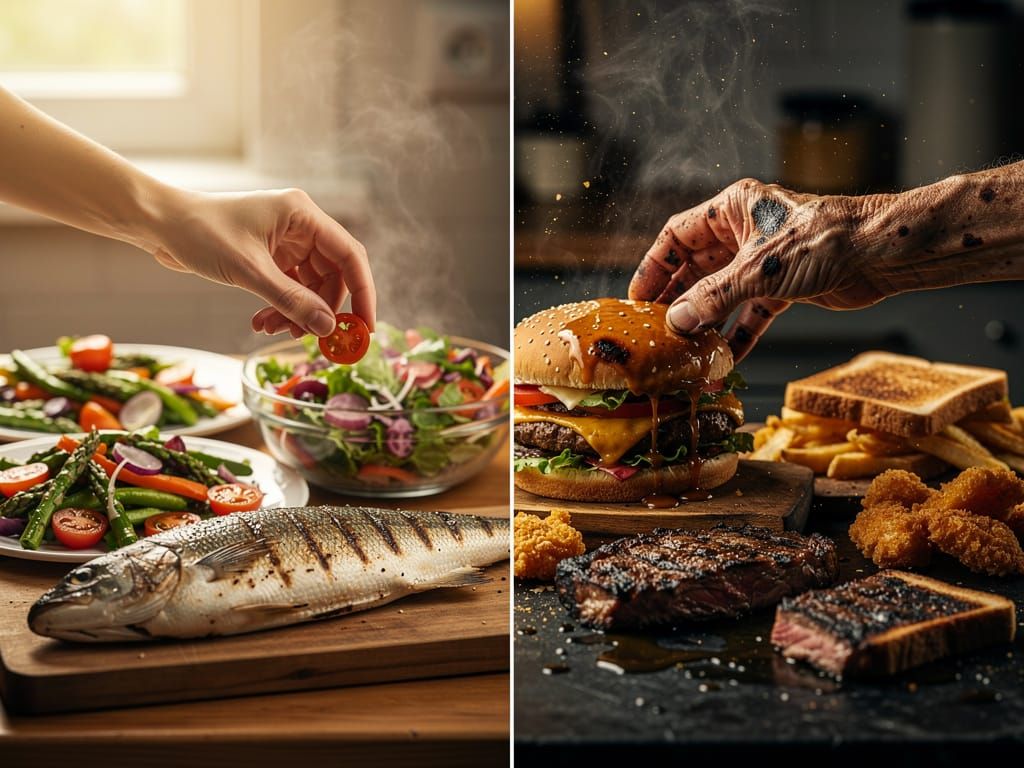
You meticulously buy organic vegetables, source grass-fed meats, and stock your pantry with whole grains. You think you’ve got it all figured out. But what if the very last step in your healthy routine-the cooking-is undoing all your good work? It turns out that how you apply heat to your food can create sneaky compounds that put your body’s aging process into overdrive. Let's pull back the curtain on the kitchen myths that might be costing you your youthful vitality.
MYTH #1: As long as the ingredients are healthy, the cooking method doesn't matter.
REALITY:
This is perhaps the most dangerous assumption in modern nutrition. The truth is, high-temperature, dry-heat cooking methods like grilling, frying, broiling, and roasting can trigger a chemical reaction between sugars, proteins, and fats. This process forms harmful compounds known as Advanced Glycation End products, or AGEs. These are not friendly molecules. Once formed and consumed, they accumulate in your body, promoting oxidative stress and widespread inflammation-two of the primary engines of aging.
Think of AGEs as tiny agents of stiffness and damage. In the skin, they cross-link with collagen and elastin fibers, leading to a loss of elasticity, wrinkles, and sagging. But their impact is more than skin deep. They can affect tissues throughout your body, from your arteries to your joints. So while that beautiful piece of wild-caught salmon is packed with omega-3s, charring it on a high-heat grill introduces a heavy load of AGEs that your body has to contend with, potentially negating some of the benefits.
MYTH #2: A good char just adds flavor and is totally harmless.
REALITY:
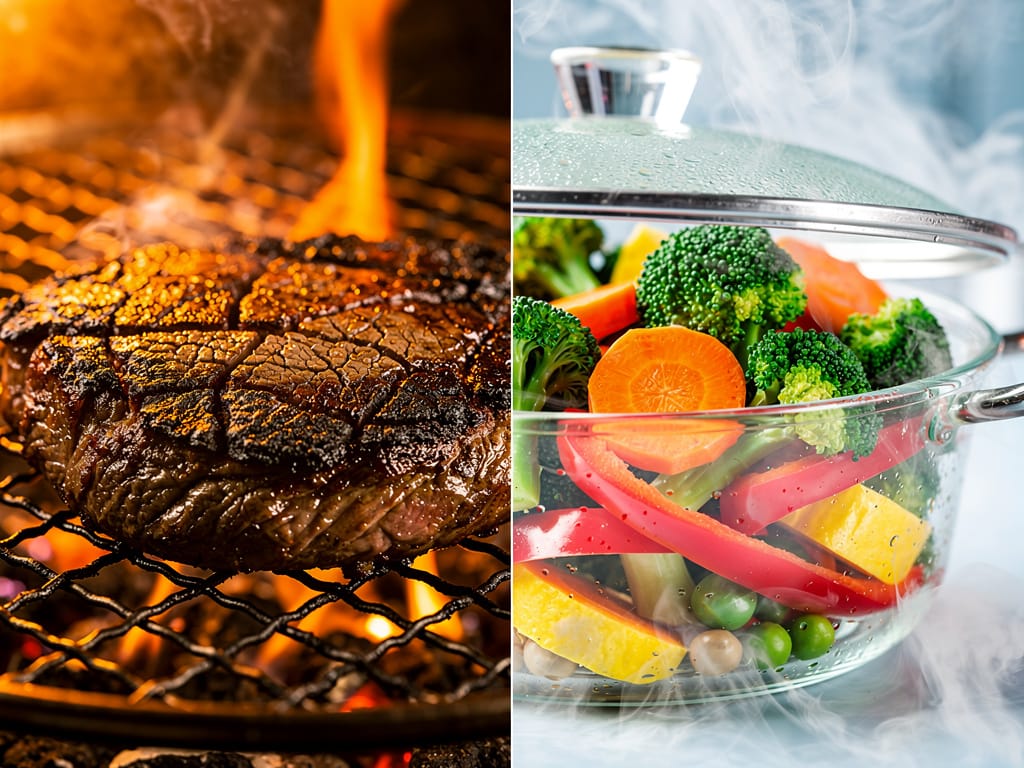
That satisfyingly crispy, blackened crust on your steak or roasted vegetables is a flavor powerhouse, but it comes at a price. That char is a concentrated source of those same AGEs we just discussed. When you cook muscle meats at high temperatures, you also create other problematic compounds, including heterocyclic amines (HCAs) and polycyclic aromatic hydrocarbons (PAHs), which have their own set of health concerns. The darker the char, the higher the concentration of these substances.
This isn't about inducing panic over every barbecue. It's about understanding that your total exposure matters. If heavily charred foods are a regular feature in your diet, you are consistently introducing a significant inflammatory burden into your system. You can mitigate this by cooking at lower temperatures, marinating foods in acidic mixtures like vinegar or lemon juice (which can reduce AGE formation), and simply scraping off the most blackened bits before you eat.
MYTH #3: Microwaving 'nukes' food and destroys all the nutrients.
REALITY:
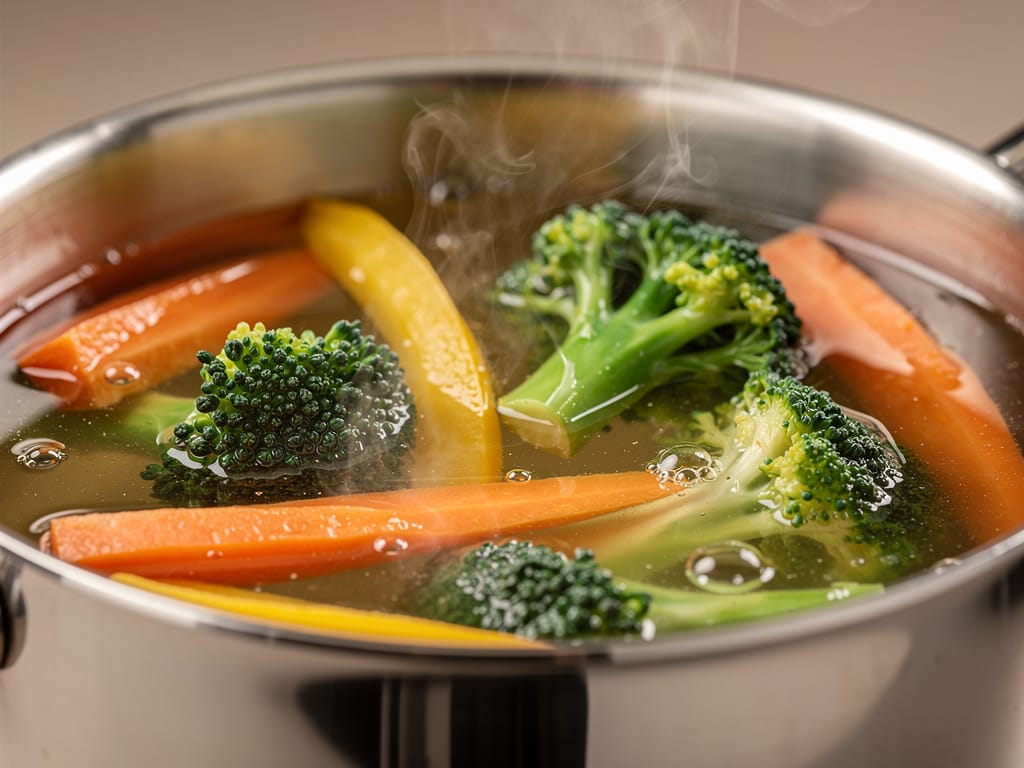
The fear of the microwave oven has been persistent for decades, but it’s largely unfounded. When it comes to nutrient preservation, microwaving is actually one of the best cooking methods available. The two biggest enemies of nutrients during cooking are high heat and large amounts of water over a long period. Microwaving uses very little of either. Its speed means food is exposed to heat for a minimal amount of time, and it typically requires little to no added water.
Because of this, microwaving does an excellent job of preserving water-soluble vitamins, such as vitamin C and many B vitamins, which easily leach out into cooking water when you boil vegetables. Studies have consistently shown that microwaving and steaming retain more of these delicate nutrients than boiling or pressure cooking. So, far from 'nuking' your food, a microwave can be a powerful tool for preparing a quick, convenient, and surprisingly nutrient-dense meal.
Ultimately, optimizing your health isn't about banning your favorite cooking methods. It’s about building a smarter, more balanced approach in the kitchen. By consciously incorporating more gentle, low-temperature, water-based techniques-like steaming, poaching, stewing, and braising-you can significantly lower your intake of AGEs and support your body’s fight against premature aging. These small shifts don’t just protect your health; they open up a new world of textures and flavors. For personalized dietary advice, always consult with a qualified healthcare professional or registered dietitian.