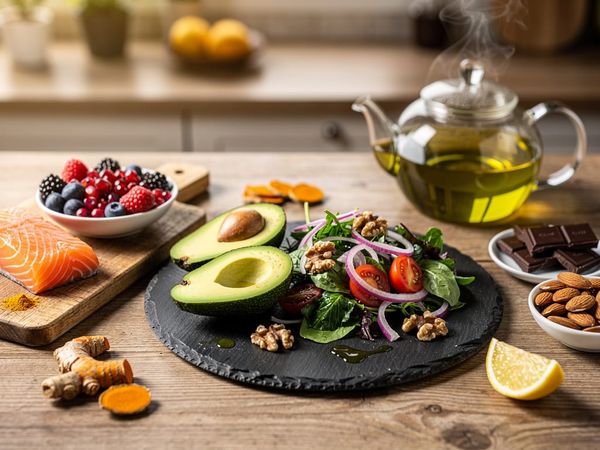
How Inflammation Can Add Years to Your Appearance

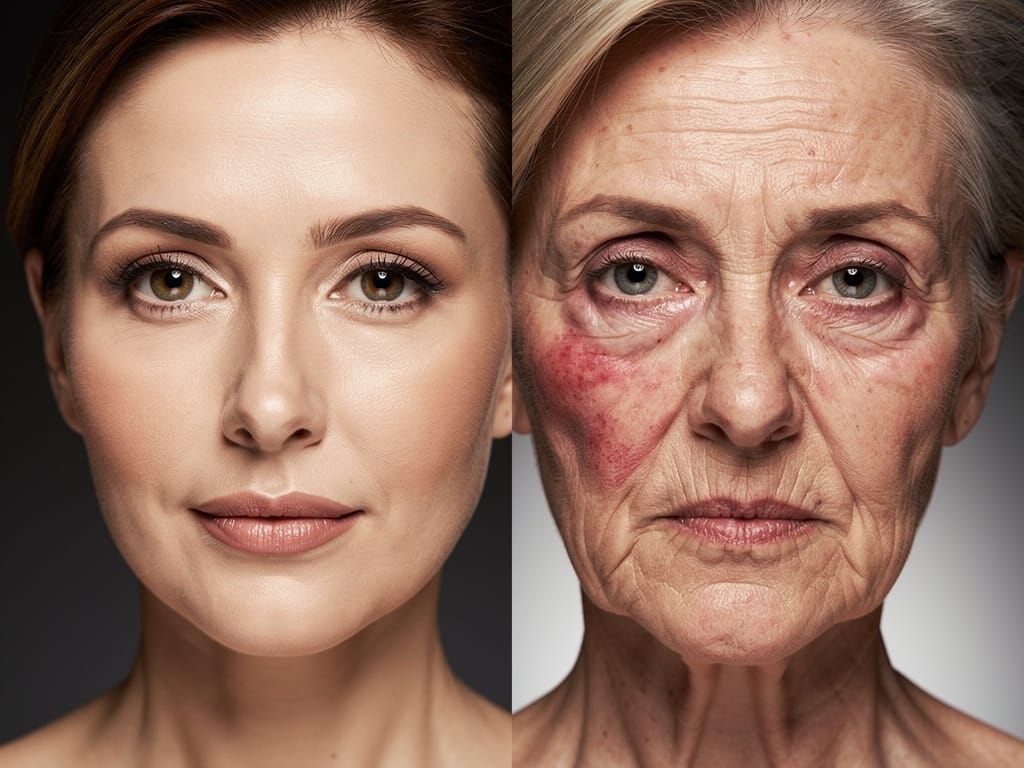
When you hear the word 'inflammation,' you might picture a swollen ankle or a red, puffy insect bite. That's acute inflammation-your body's immediate, life-saving response to injury or infection. It's a temporary process that rushes healing factors to the scene and then subsides. There is, however, another, more subtle type of inflammation that can persist for months or even years. This is chronic, low-grade inflammation, and it's a key driver behind what scientists now call 'inflammaging'.
Inflammaging is exactly what it sounds like: aging accelerated by inflammation. This constant, simmering state of alert inside your body doesn't just contribute to internal health issues; it leaves a clear signature on your skin. The process actively breaks down collagen and elastin, the essential proteins that give your skin its firmness, structure, and youthful bounce. When these support structures are weakened, the visible results are premature wrinkles, sagging skin, and a loss of radiance.
This internal fire is fueled by a variety of lifestyle factors, from the foods we eat to our stress levels and sleep quality. A diet high in sugar and processed foods, for example, can trigger a cascade of inflammatory responses. Similarly, chronic stress keeps your body in a fight-or-flight mode, releasing hormones that promote inflammation. The good news is that you have significant control over these factors. By making targeted changes to your daily habits, you can help calm this internal process and protect your skin from the inside out.
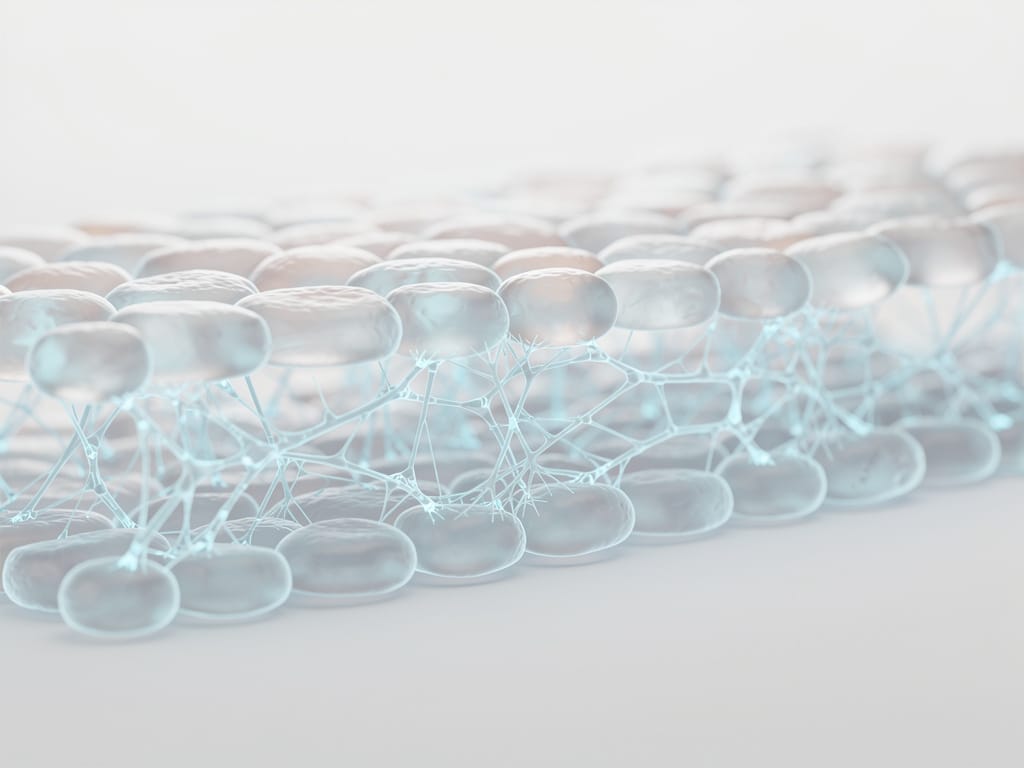
- Chronic, low-grade inflammation is a major contributor to accelerated aging, a process known as 'inflammaging.'
- This internal inflammation damages essential skin proteins like collagen and elastin, leading to wrinkles and sagging.
- Lifestyle choices, particularly diet, stress, and sleep, are primary drivers of chronic inflammation.
- By adopting an anti-inflammatory lifestyle, you can help protect your skin's structure and promote a more youthful appearance.
Frequently Asked Questions
What exactly is 'inflammaging'?
Inflammaging is a term that combines 'inflammation' and 'aging' to describe a persistent, low-grade inflammation that develops as we get older. Unlike the acute inflammation from an injury, this process is often silent and systemic, meaning it affects your entire body. It's not a disease in itself but rather a significant risk factor that accelerates the aging process.
From a skin perspective, inflammaging is particularly damaging. The constant presence of inflammatory molecules disrupts normal cell function and degrades the extracellular matrix, which includes that all-important collagen and elastin. This leads directly to the visible signs we associate with aging, such as fine lines, poor skin texture, and a loss of firmness.
Which foods are the biggest culprits for causing inflammation?
Certain foods are well-known for promoting an inflammatory response in the body. The primary offenders are often found in a typical Western diet. These include items high in refined sugars and high-fructose corn syrup, such as sodas, candies, and many packaged snacks. Refined carbohydrates, like white bread and pastries, are also major contributors.
Additionally, foods containing trans fats, such as fried foods and certain margarines, are highly inflammatory. An excessive intake of omega-6 fatty acids (found in many vegetable oils like corn and soy oil) without a balancing intake of omega-3s can also tip the scales toward inflammation. Limiting processed meats, like bacon and hot dogs, is another smart step in managing dietary inflammation.
Can stress really make my skin look older?
Absolutely. The connection between your mind and your skin is powerful. When you experience chronic stress, your body produces an excess of the hormone cortisol. While cortisol is useful in short bursts, consistently high levels create a pro-inflammatory state throughout your body. This stress-induced inflammation can directly harm your skin's health and appearance.
Elevated cortisol accelerates the breakdown of collagen and can also damage the skin's protective barrier. This leaves your skin more vulnerable to environmental damage, dehydration, and sensitivity. The result is often a complexion that looks dull, tired, and is more prone to wrinkles and redness.
Besides diet, what are the best ways to reduce inflammation?
While nutrition is a cornerstone, other daily habits play a huge role. Prioritizing quality sleep is fundamental, as this is when your body undergoes critical repair processes and regulates inflammatory proteins. Aim for 7-9 hours of consistent, restorative sleep per night. Regular, moderate exercise is another powerful tool. Activities like brisk walking, swimming, or cycling help lower inflammatory markers system-wide.
Finally, managing stress is non-negotiable. Practices like meditation, deep breathing exercises, or even spending time in nature can help lower cortisol levels and calm your body's inflammatory response. Remember, these lifestyle adjustments are part of a holistic approach to health. For any personal health concerns or before making significant changes, it is always best to consult with a qualified healthcare professional.