How Sugar Speeds Up Aging From the Inside Out


You probably think that extra donut is just a problem for your waistline or a future dental bill. That's the story we've been told for decades. But the truth is far more serious. The most significant damage from a high-sugar diet isn't visible on the scale-it’s a silent process happening deep within your cells, systematically fast-forwarding your biological clock and aging you from the inside out. It's time to expose the myths and understand the real story.
MYTH #1: A few wrinkles are the only price to pay for a sweet tooth.
REALITY:
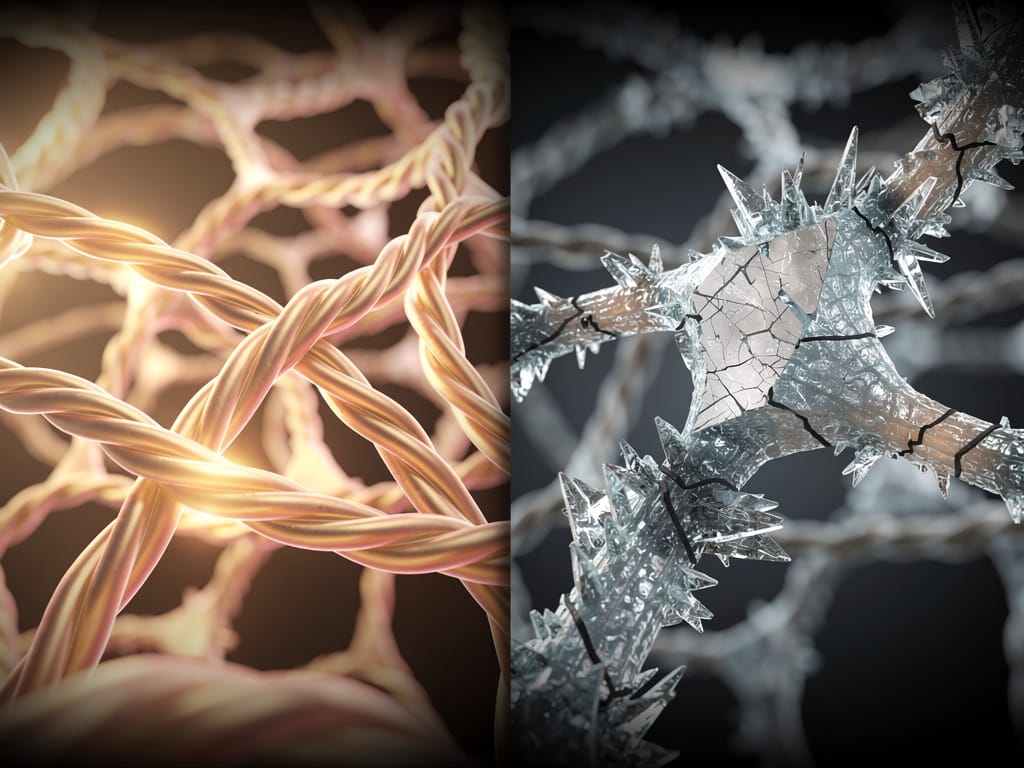
Thinking sugar's impact stops at your skin is a massive understatement. The primary mechanism at play is a process called glycation. When you have excess sugar molecules in your bloodstream, they latch onto proteins and fats, forming harmful new molecules called Advanced Glycation End-products, or AGEs for short. These AGEs are bad news for your entire body. They are stiff, dysfunctional, and wreak havoc wherever they accumulate.
Your skin's youthful structure relies on flexible proteins like collagen and elastin. AGEs attack these proteins, cross-linking them and making them rigid and brittle. This directly leads to wrinkles, sagging, and a loss of radiance. But it doesn't stop there. This same stiffening process affects the proteins in your blood vessels, your joints, and even your organs, contributing to a systemic decline in function that defines the aging process itself. It's not just about looking older; it's about your body becoming older on a molecular level.
MYTH #2: I avoid desserts, so I'm safe from sugar's aging effects.
REALITY:
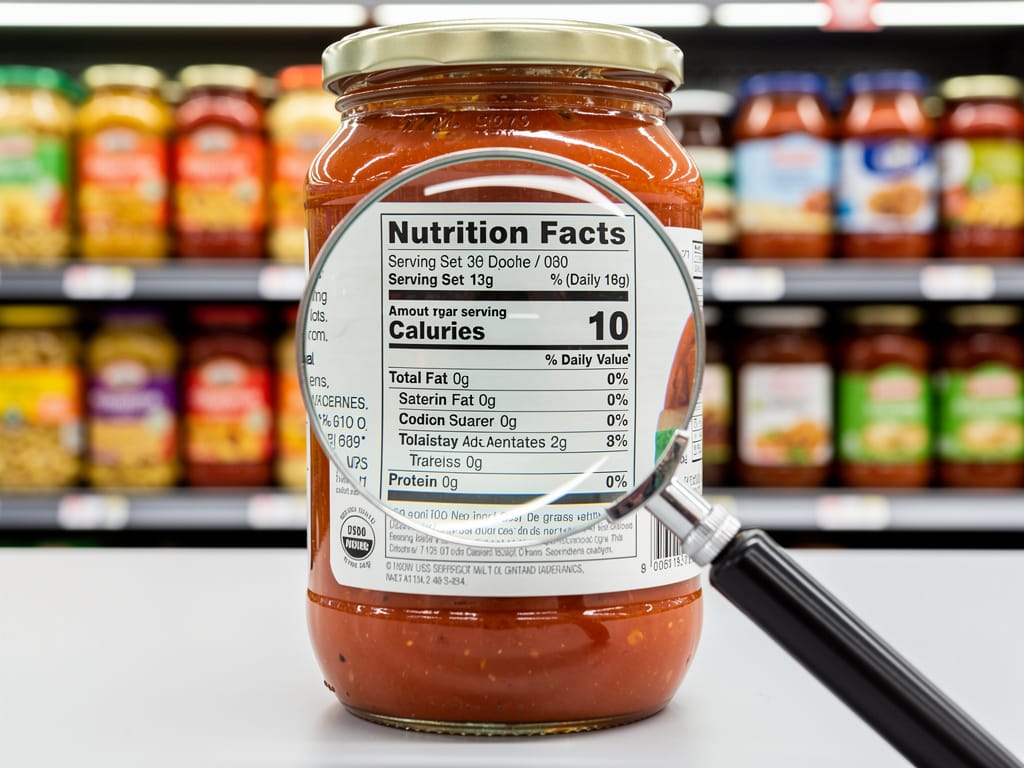
If only it were that simple. The food industry has become incredibly skilled at hiding sugar in places you would never expect. That 'healthy' low-fat yogurt, the jar of pasta sauce, the salad dressing, and even your morning loaf of whole wheat bread are often loaded with added sugars. These hidden sources contribute to a constant, low-grade stream of glucose in your system, keeping the glycation process humming along 24/7.
This steady supply of sugar is arguably more damaging than an occasional dessert. It keeps your insulin levels persistently elevated and promotes a state of chronic inflammation-two other major drivers of accelerated aging. Becoming a detective of nutrition labels is non-negotiable. You must look past the health claims on the front of the package and inspect the 'Added Sugars' line to understand what you're truly consuming. The biggest threats are often the ones you don't see coming.
MYTH #3: My body just burns off sugar for energy-no harm done.
REALITY:
Your body is indeed designed to use glucose for fuel, but it has a very limited capacity to handle it safely at one time. When you overwhelm the system with a rush of sugar, your metabolic machinery goes into overdrive, and the fallout is significant. The process of rapidly metabolizing large amounts of sugar generates a huge number of free radicals, unstable molecules that cause oxidative stress-a key factor in cellular damage and aging.
This oxidative stress damages everything it touches, including your DNA and the mitochondria that power your cells. Think of it like running an engine too hot for too long; parts start to break down and wear out prematurely. So while you do 'burn' the sugar for energy, the process itself creates a cascade of damage that compromises cellular health and function. It’s not a clean burn; it's a dirty, inefficient process that leaves a trail of biological rust in its wake.
The takeaway here isn't about achieving a sugar-free existence, which is nearly impossible. It's about shifting your perspective. Understanding that sugar's influence extends far beyond calories is the first step toward making informed choices that protect your long-term health and vitality. By managing your sugar intake, you are taking direct control of one of the most powerful levers that influences your rate of aging. For personalized dietary advice, always consult with a qualified healthcare professional or registered dietitian.