How to Build Better Cellular Power Plants

Understanding Your Cellular Engines
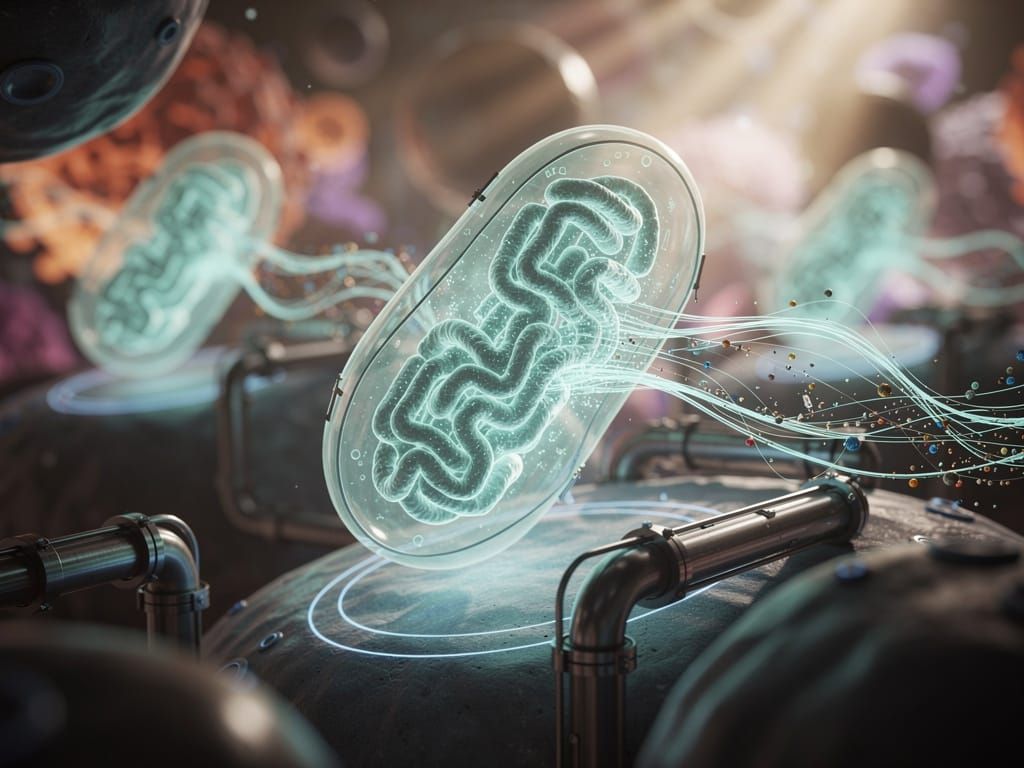
Inside nearly every cell in your body are tiny structures called mitochondria. Think of them as microscopic power plants, tirelessly converting the food you eat and the air you breathe into the raw energy that fuels everything-from your heartbeat to your thoughts. When these power plants run efficiently, you feel vibrant, sharp, and resilient. However, as we age, their function can decline, leading to fatigue, slower recovery, and an acceleration of the aging process itself. The good news is that you have significant influence over their health.
The process isn't about halting time; it's about improving the quality of your cellular machinery. By making specific, targeted lifestyle choices, you can protect your existing mitochondria and even encourage your body to build new, more efficient ones. This is the foundation of aging gracefully-not just adding years to your life, but adding life and energy to your years. You are the chief engineer of your own biology, and the blueprints for better performance are well within your reach.
Fueling Your Mitochondria with Precision
Your cellular power plants are incredibly sensitive to the quality of fuel you provide. Processed foods, excess sugar, and refined carbohydrates can create oxidative stress, essentially 'gumming up the works' and damaging mitochondrial function. To counter this, focus on a diet rich in antioxidants. Colorful fruits and vegetables like berries, leafy greens, and bell peppers are packed with compounds that protect your cells from damage, allowing your mitochondria to operate cleanly and effectively.
Beyond antioxidants, certain nutrients are foundational for energy production. Healthy fats, such as those found in avocados, nuts, and olive oil, provide a steady, efficient fuel source. Key micronutrients like B vitamins, Coenzyme Q10, and magnesium are also directly involved in the cellular energy creation process. Eating a whole-foods diet is the most direct way to ensure you're supplying these essential building blocks for high-performance energy.
Triggering New Growth Through Movement
Exercise is one of the most powerful signals you can send to your body to build better power plants. Physical activity, particularly certain types, creates a demand for energy that tells your cells to improve their capacity. This process, known as mitochondrial biogenesis, is your body's natural upgrade system. When you challenge your physical limits, your body responds by constructing more and stronger mitochondria to meet future demands.
To maximize this effect, a combination of different exercise styles works best. While all movement is beneficial, some forms are exceptionally good at stimulating this cellular adaptation. Consider incorporating these into your routine:
- High-Intensity Interval Training (HIIT): Short bursts of all-out effort followed by brief recovery periods create a strong stimulus for mitochondrial growth.
- Endurance Exercise: Steady-state cardio, like jogging or cycling, improves the efficiency of your existing mitochondria.
- Resistance Training: Building muscle mass increases your body's overall number of mitochondria, as muscle is a highly energy-demanding tissue.
Mastering Recovery for Lasting Power
The work you do in the gym and the kitchen needs to be supported by intelligent recovery. Deep, restorative sleep is when your body performs its most important repair work, including clearing out damaged cellular components and consolidating the gains from your day. During sleep, your body reduces inflammation and manages stress hormones like cortisol, which, if left unchecked, can be destructive to mitochondrial health.
Managing daily stress is the other side of the recovery coin. Chronic stress keeps your body in a 'fight or flight' state, a condition that consumes massive amounts of energy and wears down your cellular machinery. Practices like mindfulness, meditation, or even spending time in nature can help shift your nervous system into a 'rest and digest' state, preserving energy and protecting your mitochondria from long-term damage. By taking command of these daily inputs, you are not just living longer-you are building a more powerful, energetic future, one cell at a time.