How to Make Time for Exercise When You Have a Hectic Schedule

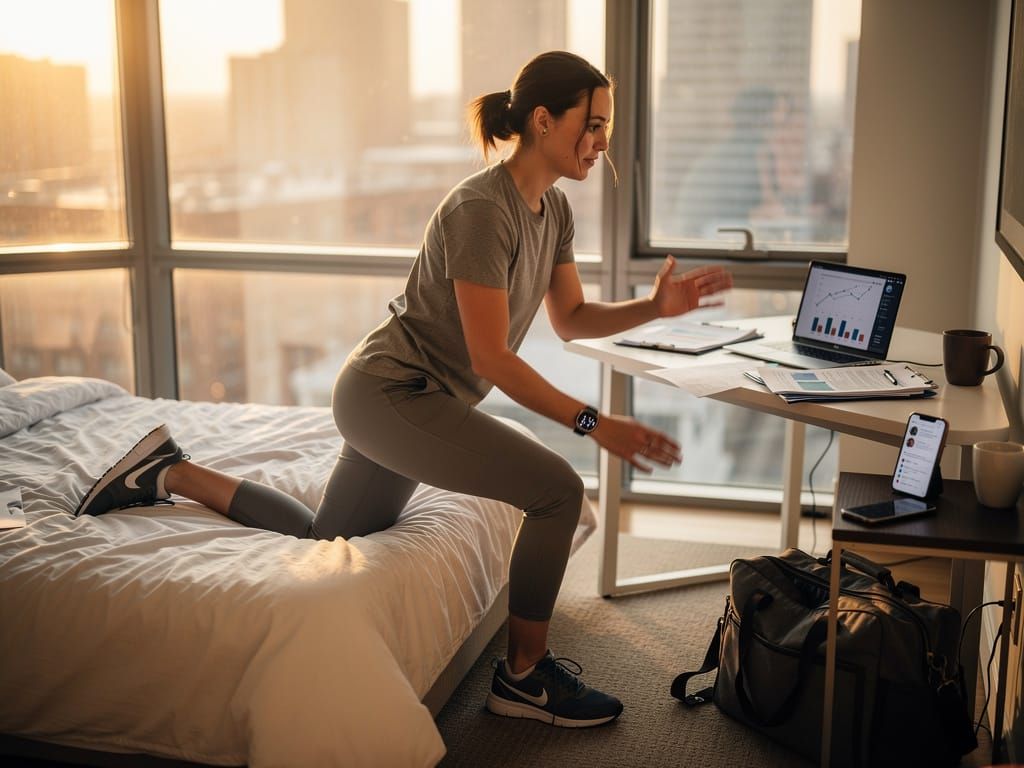
The alarm blares before the sun has even considered its ascent. Your feet hit the floor, and the race begins. A flood of notifications from your phone, the aroma of coffee brewing just a little too slowly, the weight of a to-do list that already feels a day long. By the time you collapse onto the couch at night, the idea of a workout feels less like self-care and more like a cruel joke. The intention was there, but the minutes were not. Sound familiar?
We’ve been sold a story that fitness requires a full hour, a special location, and a specific outfit. It’s time to tear that story up and write a new one-one that fits into the fractured, 15-minute gaps of a genuinely busy life. It starts not by finding more time, but by changing your perspective.
Shift Your Mindset: Redefine the 'Workout'
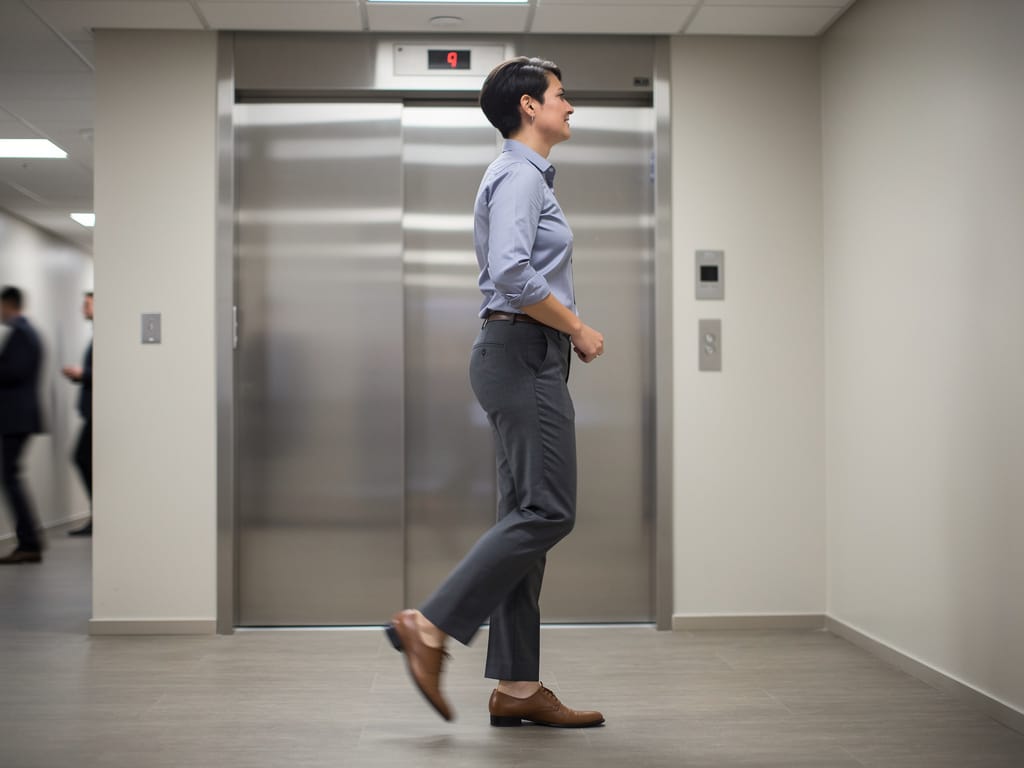
The biggest barrier to exercise is often our all-or-nothing thinking. If we can't get to the gym for a 60-minute session, we do nothing. This is the first habit to break. Redefining what 'counts' as exercise opens up a world of possibilities that fit right into your existing day.
- Embrace 'Exercise Snacking': Think of movement in bite-sized pieces. Five minutes of stretching when you wake up, ten minutes of brisk walking after lunch, or doing squats while waiting for your dinner to heat up. These 'snacks' add up and keep your metabolism engaged.
- Focus on Movement, Not Metrics: Forget about calories burned or miles logged for a moment. The goal is simply to move your body. Taking the stairs, parking farther away, or carrying your groceries instead of using a cart are all valid forms of physical activity.
- Utilize 'Found Time': We all have small pockets of wasted time. The five minutes waiting for a video call to start, the ten minutes on hold with a customer service line. Use this time for simple bodyweight exercises like lunges, push-ups against a wall, or planks.
Become a Time Architect: Schedule It or Scrap It

'I'll work out when I have time' is a promise that is almost never kept. Your physical health deserves a permanent spot on your calendar, just like a critical meeting. If it's not scheduled, it's not real.
- The Non-Negotiable Block: Look at your week and find just two or three 20-minute slots. Block them out on your calendar and treat them with the same importance as a doctor's appointment. Protect this time fiercely.
- Habit Stacking: Anchor your exercise habit to an existing one. For example, 'Right after I brush my teeth in the morning, I will do 15 minutes of yoga' or 'Immediately after my last meeting of the day, I will change into my workout clothes and go for a walk.'
- Front-Load Your Day: The longer you wait, the more likely it is that unexpected tasks will derail your plans. A short morning workout-even just 15 minutes-ensures it gets done before the day has a chance to get away from you.
Maximize Your Minutes: Intensity Over Duration

When time is short, efficiency is your best friend. A shorter, smarter workout can often be more effective than a longer, unfocused one. The key is to increase the intensity to make every minute count.
- Discover High-Intensity Interval Training (HIIT): HIIT involves short bursts of all-out effort followed by brief recovery periods. A 15-minute HIIT session can provide significant cardiovascular benefits. This could be as simple as alternating between 30 seconds of jumping jacks and 30 seconds of rest.
- Prioritize Compound Movements: Exercises like squats, lunges, push-ups, and rows work multiple muscle groups at once. This gives you a full-body workout in a fraction of the time it would take to isolate each muscle.
- Make Your Commute Active: If possible, turn your travel time into workout time. Can you walk, run, or bike to work? Even getting off public transport one stop early and walking the rest of the way adds valuable movement to your day.
Making time for exercise isn't about finding a magical, empty hour. It’s about weaving small, deliberate acts of movement into the fabric of your day. These moments, compounded over weeks and months, are what build a foundation of sustainable vitality and long-term health. Start small, stay consistent, and watch how it transforms your energy and your life.
Disclaimer: This article is for informational purposes only and does not constitute medical advice. Please consult with a qualified healthcare professional before beginning any new fitness program or making changes to your health routine.