How to Set Realistic Wellness Goals That You Can Actually Stick To


The brand-new running shoes still have that new-car smell, but they sit by the door, a silent monument to a promise you made to yourself a few weeks ago. The gym pass is still crisp in your wallet. The blender you bought for green smoothies is clean, maybe a little too clean. It’s that familiar feeling of a grand plan-a total life overhaul-that started with a bang and ended with a quiet fizzle. The excitement has faded, replaced by a low hum of disappointment. This isn’t a failure of willpower; it’s a failure of strategy.
The All-or-Nothing Trap
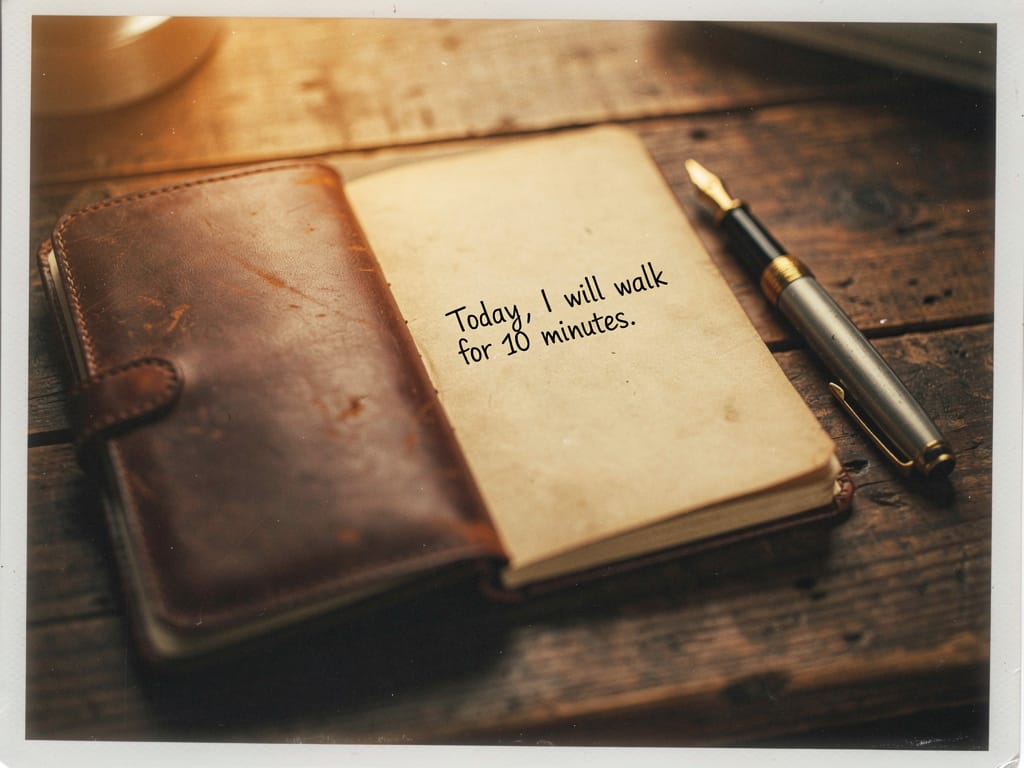
We often treat wellness like a switch we can flip. One day we're eating takeout and skipping workouts, and the next, we vow to eat nothing but kale and run five miles a day. This 'all-or-nothing' mindset sets us up for a fall. When we inevitably miss one perfect day, we feel like the entire project is ruined. The motivation shatters, and we slide back to our old routines, convinced we just don't have what it takes. But the problem isn't you-it's the size of the leap you're trying to make. Sustainable change is never about a giant leap; it's about a series of small, manageable steps.
Building Your Foundation, One Step at a Time

Instead of trying to build a mansion overnight, let's focus on laying a single, solid brick. This is the idea behind 'micro-habits'-actions so small they feel almost effortless to complete. The goal isn't to shock your system into submission but to gently guide it in a new direction. It's about building momentum so slowly and steadily that your mind and body barely notice the effort, but you see the results over time. Success here isn't measured by a single heroic workout, but by the quiet consistency of showing up for yourself in a small way, day after day.
The Art of the 'Tiny Win'

Every time you complete one of these tiny goals-drinking a glass of water when you wake up, doing five pushups, stretching for three minutes-your brain gets a small hit of dopamine. It's a reward that says, 'Hey, we did it!' This feeling is addictive in the best way possible. It builds a positive feedback loop that makes you want to repeat the behavior. These tiny wins stack up, creating the confidence and momentum needed to take on slightly bigger challenges down the road. It’s how you build an unbreakable foundation for lasting health.
Here are some practical ways to design goals you can actually stick with:
- Start with Your 'Why'. Don't just set a goal like 'lose 15 pounds.' Ask yourself why. Is it to have more energy to play with your kids? To feel more confident on your next vacation? A deep, emotional reason is a much stronger anchor than a number on a scale.
- Be Hyper-Specific. 'Eat healthier' is a vague wish, not a goal. A goal is: 'I will add one serving of leafy greens to my lunch three times this week.' It’s clear, measurable, and has a defined endpoint.
- Stack Your Habits. The easiest way to build a new habit is to attach it to an existing one. For example: 'After I pour my morning coffee, I will stretch for five minutes.' The coffee is the trigger for the new, desired action.
- Plan for the Friction. What will you do on days you feel tired or unmotivated? Have a backup plan. 'If I'm too tired for my 20-minute walk, I will do 10 minutes of light yoga at home instead.' This prevents one off-day from derailing your entire week.
- Track Your Effort, Not Just the Outcome. Focus on what you can control. You can't control exactly how much weight you lose in a week, but you can control whether you went for your scheduled walks. Celebrate the consistency-that's where the real change happens.
Please note: The information in this article is for informational purposes only and is not intended as a substitute for professional medical advice, diagnosis, or treatment. Always seek the advice of your physician or other qualified health provider with any questions you may have regarding a medical condition.
Lasting wellness isn't a destination you reach through brute force, but a path you walk with intention and kindness toward yourself. Start with one small, realistic step today, and let that be enough to build a healthier tomorrow.