How Your Thoughts Are Physically Etched Into Skin

The Mind-Skin Superhighway
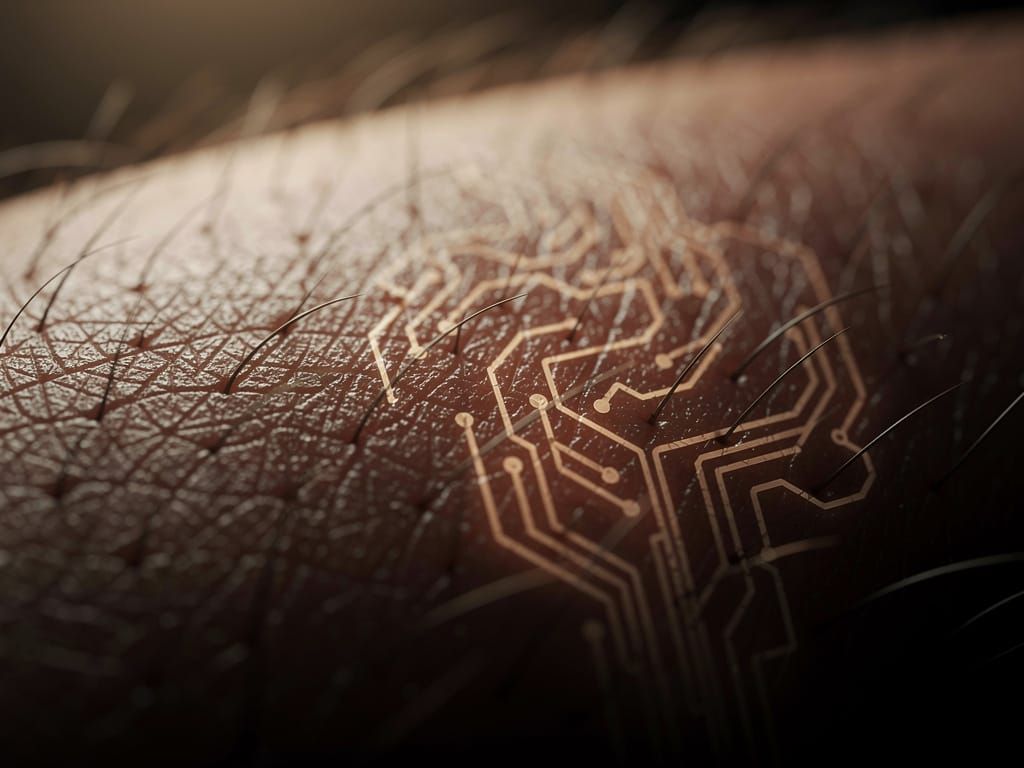
The connection between your mind and your skin is not just a popular wellness concept; it's a profound biological reality. From the earliest stages of embryonic development, the brain, nervous system, and skin all arise from the same layer of cells called the ectoderm. This shared origin establishes a lifelong, hardwired communication channel. The emerging field of psychodermatology is dedicated to studying this intricate relationship, exploring how our emotional and mental states directly influence the health and appearance of our largest organ.
This communication runs on a complex network of nerves and chemical messengers. When you experience emotional states like anxiety or stress, your brain releases specific neuropeptides and hormones that travel throughout the body and bind to receptors in your skin cells. This direct signaling can alter everything from your skin's immune response and inflammation levels to its oil production and ability to maintain a healthy barrier. In essence, your skin is constantly listening to your thoughts.
Cortisol: The Architect of Premature Aging
When we talk about stress, we must talk about cortisol. While this hormone is essential for managing short-term threats, chronic psychological stress from persistent worry or negative thought patterns keeps cortisol levels consistently elevated. This hormonal state creates an internal environment that is highly destructive to the skin's structural integrity. Think of chronic stress as a slow, steady demolition process working from the inside out.
Elevated cortisol's primary mission against your skin is to break down collagen and elastin, the two key proteins responsible for its firmness, plumpness, and elasticity. This degradation process directly contributes to the visible signs of aging, including the formation of fine lines, deeper wrinkles, and a loss of facial volume. Over time, high cortisol can also thin the skin, making it more fragile and impairing its natural ability to repair itself from daily environmental damage.
Inflammation and Your Internal Environment
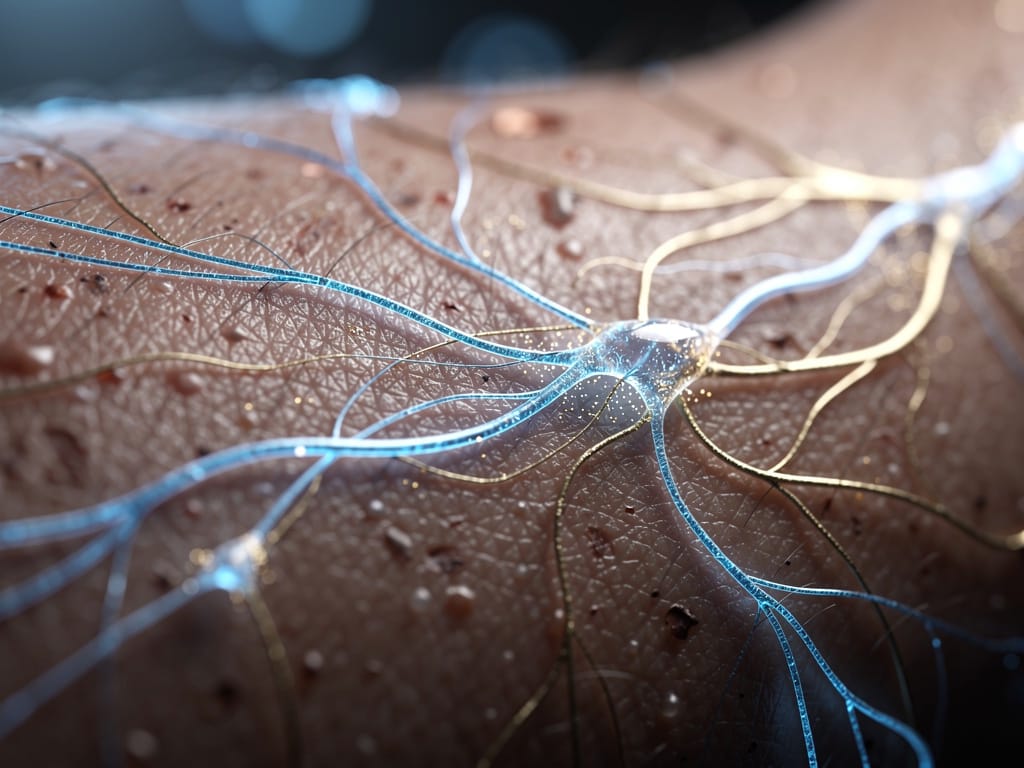
Beyond the direct action of cortisol, a mind under chronic stress promotes a state of low-grade, systemic inflammation. Your body's immune system can interpret persistent mental distress as a constant threat, keeping it in a state of high alert. This sustained inflammatory response is a well-documented accelerator of the aging process across all body systems, and its effects are often most visible on the skin.

Subscribe for Free Updates on Healthy Aging!
This internal fire can manifest externally in numerous ways, undermining even the most dedicated skincare regimen. It can exacerbate inflammatory skin conditions, cause persistent redness and puffiness, and hinder the skin's healing capabilities. This state, fueled by your internal dialogue, can directly contribute to a number of issues:
- Reduced skin barrier function
- Increased sensitivity and reactivity
- Delayed wound healing
- Uneven skin tone and texture
Rewiring Your Habits for Resilient Skin
Understanding this powerful connection empowers you to take action. By managing your thoughts and emotional responses, you can directly influence your skin's physiology. Practices like mindfulness meditation, consistent deep-breathing exercises, and even simple gratitude journaling are not just for mental clarity; they are potent tools for regulating your nervous system. These techniques can help lower circulating cortisol and reduce the inflammatory signals sent to your skin.
Incorporating these stress-management habits into your life is a foundational strategy for long-term health and skin vitality. Please remember, these practices are intended to support overall wellness and should not be considered a treatment for any medical condition. For specific or persistent skin concerns, consulting with a qualified healthcare professional is always the right course of action. Embracing a calmer mind is one of the most powerful steps you can take toward a future of radiant, healthy skin.
Subscribe for Free Updates on Healthy Aging!