I Tried Aging Like a Wealthy Woman for 7 Days

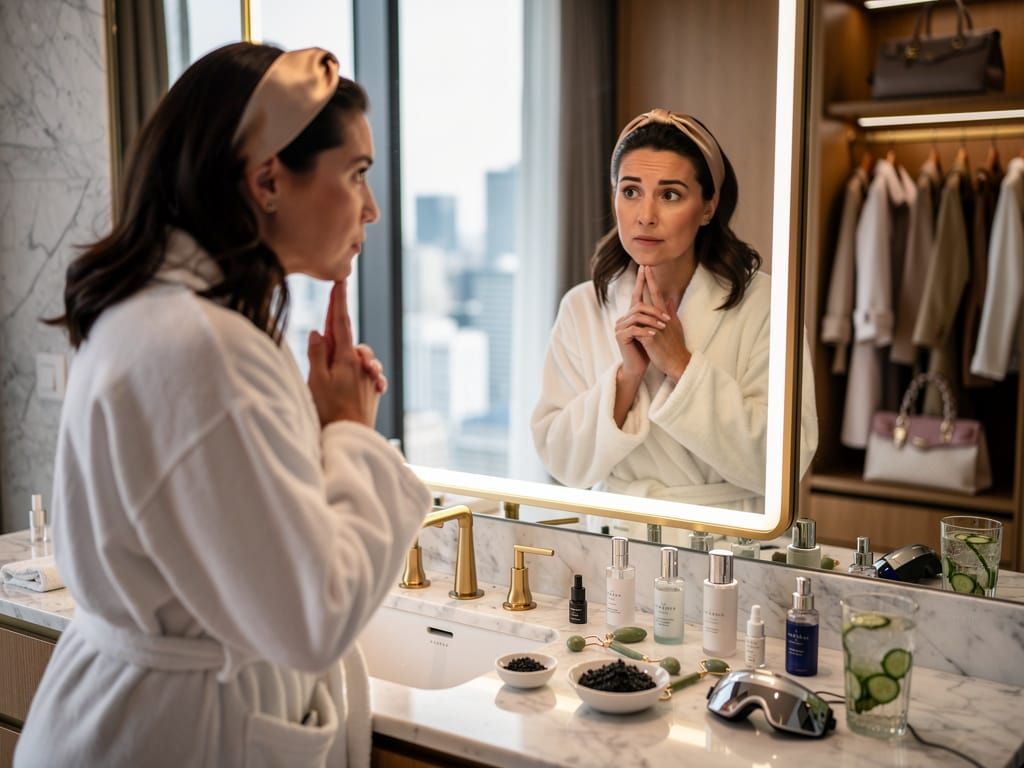
The scent of lavender and eucalyptus filled the steam room, a world away from my usual frantic morning coffee ritual. For seven days, I traded my typical routine for one inspired by the wellness habits often associated with the ultra-wealthy. My goal was to see if these luxurious-seeming practices could genuinely impact how I felt, moved, and even thought about aging.
The Foundation of Deliberate Nutrition

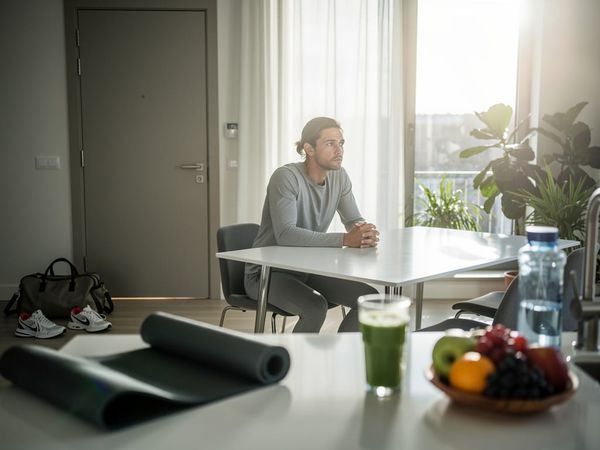
My week began in the kitchen, but it felt more like a laboratory for well-being. Gone were the rushed breakfasts and convenience-driven dinners, replaced by a philosophy of deliberate nourishment. Every meal was an event built around organic, vibrant, and unprocessed foods, transforming eating from a task into a mindful practice. The focus shifted from calorie counting to nutrient density, flooding my body with the high-quality fuel it needed to operate at its best.
This experiment wasn't about restriction; it was about addition. I added more dark leafy greens, more healthy fats from avocados and olive oil, and more antioxidant-rich berries than I thought possible. The theory is simple: providing your body with a rich spectrum of phytonutrients helps protect cells from the oxidative stress that contributes to aging. After just a few days, I felt a noticeable difference in my energy levels, a steady hum of vitality that my usual caffeine habit could never replicate.
Hydration also received a serious upgrade. Instead of just chugging tap water, I focused on mineral-rich spring water and started each morning with warm water and lemon. Throughout the day, I sipped on herbal infusions like nettle and dandelion, known for their gentle supportive properties. This wasn't just about quenching thirst; it was about supporting detoxification and ensuring every system in my body was functioning smoothly.
Movement as a Ritual, Not a Chore

Next, I tackled my relationship with exercise, reframing it from a high-intensity punishment to a graceful, daily ritual. I swapped my usual grueling workouts for activities that felt restorative and strengthening at the same time. This included long walks in nature, reformer Pilates sessions that focused on core strength and flexibility, and gentle yoga to end the day. The goal was consistency and joy, not exhaustion.
A huge component of this approach was prioritizing active recovery. Instead of just collapsing on the couch after a workout, I dedicated time to an infrared sauna session to help reduce inflammation and a long Epsom salt bath to soothe tired muscles. This philosophy treats recovery as being just as important as the activity itself, a concept that helps manage cortisol levels and supports the body's natural repair mechanisms. It's a proactive approach to preventing injury and burnout.
Of course, none of this works without the ultimate recovery tool: sleep. I committed to a strict sleep schedule, turning off all screens an hour before bed and ensuring my room was a cool, dark sanctuary. This wasn't just about getting eight hours; it was about getting eight hours of high-quality, uninterrupted rest. The difference was profound, impacting everything from my mood to my mental clarity the next day.
The Power of Outsourcing and Stillness

Perhaps the biggest luxury I discovered had little to do with expensive products and everything to do with time. I identified the biggest drains on my mental energy-meal planning and household chores-and I strategically 'outsourced' them for the week. Using a healthy meal delivery service and hiring a one-time cleaning service freed up hours of my time and, more importantly, an enormous amount of mental space.
That newfound time wasn't filled with more productivity or screen time; it was dedicated to intentional stillness. I started a simple, ten-minute daily meditation practice, focusing only on my breath. This practice of quieting the constant mental chatter helped calm my nervous system and reduce the feeling of being perpetually rushed. It was a powerful reminder that mental peace is a cornerstone of graceful aging.
Finally, I curated my social interactions. Instead of endless scrolling and superficial online exchanges, I focused on deep, meaningful connection. I scheduled a long, uninterrupted phone call with a close friend and a quiet dinner with my partner. This shift from quantity to quality in my social life left me feeling energized and fulfilled, rather than drained and overstimulated.
- Nourishment is Intentional: Prioritizing nutrient-dense, whole foods is less about dieting and more about providing your cells with the building blocks for longevity.
- Recovery is Essential: Treating movement and recovery as an interconnected cycle reduces physical stress and supports the body's long-term resilience.
- Stillness is a Superpower: Creating mental space by managing your workload and practicing mindfulness is fundamental to combating the aging effects of chronic stress.
Disclaimer: The information in this article is for informational purposes only and is not intended to be a substitute for professional medical advice, diagnosis, or treatment. Always seek the advice of your physician or other qualified health provider with any questions you may have regarding a medical condition.