Reclaiming Your Body's Sixth Sense for Balance


More than one out of every four adults over 65 falls each year, and according to the CDC, falling once doubles your chances of falling again. This isn't just a statistic; it's a quiet erosion of confidence and independence. But what if you could reclaim your body's innate stability system-its forgotten 'sixth sense'? This internal GPS is called proprioception, and rebuilding it is one of the most powerful actions you can take for long-term health and vitality.
Your Internal Positioning System

Proprioception is the complex, unconscious awareness of your body's position in space. It's powered by a network of sensors in your muscles and joints that send millions of signals to your brain every second. This system involves an incredible density of sensory receptors; for instance, the small muscles at the base of your skull contain as many as 300 muscle spindles per gram, providing constant feedback on your head's position to maintain equilibrium. When this communication network is sharp, you move with effortless grace. When it dulls, instability creeps in.
The Data on Decline and Defense
The decline of this sense is quantifiable. Research shows that postural sway-a key metric for balance-can increase by as much as 80% between the ages of 20 and 70. This isn't an inevitable fate; it's a signal to act. The brain's ability to process these signals can be retrained at any age, and the methods are surprisingly simple yet profoundly effective. By intentionally challenging your body, you force this neural network to rebuild and strengthen its pathways.
- Practicing single-leg stands for just 60 seconds per day has been shown to significantly improve postural stability and reduce sway.
- A landmark study in the New England Journal of Medicine revealed that participants who practiced Tai Chi experienced 58% fewer falls than those in a stretching control group.
- Simply closing your eyes during balance exercises removes visual input, forcing your body to rely on its internal sensors and improving neuromuscular response time by up to 30%.
Strengthening the Brain-Body Connection
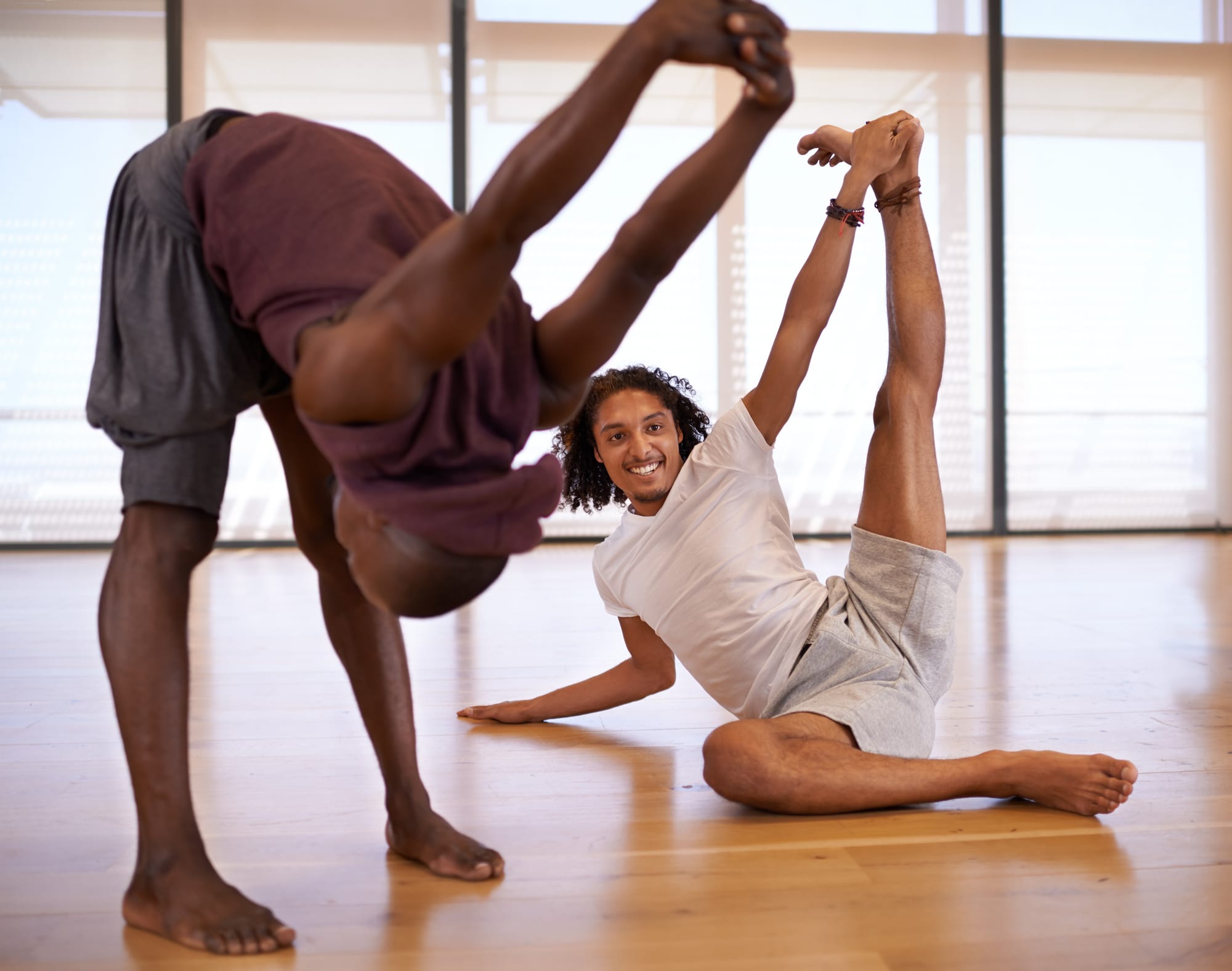
Improving your balance does more than just prevent falls; it sharpens your mind. A 2020 study in Scientific Reports uncovered a direct link between superior balance control and higher cognitive function. The research demonstrated that individuals with better stability also possessed 12% greater processing speed on key cognitive tests, suggesting that a well-tuned body helps maintain a well-tuned brain.
The data is clear: reclaiming your sense of balance is not a passive hope but an active process. The improvement isn't marginal-a reduction in fall risk by over 50% is achievable through targeted, consistent practice. It begins with acknowledging that your body's internal GPS is a trainable skill, not a fixed asset that simply fades over time. You have the power to recalibrate it.
Start today. Dedicate just 5 minutes to standing on one leg while you brush your teeth or wait for your coffee to brew. Try walking heel-to-toe across your living room. These small, data-backed inputs create a powerful feedback loop, rewiring your entire system for greater stability, confidence, and cognitive clarity. Your 'sixth sense' is not lost; it's waiting for your command.
This article is for informational purposes only and does not constitute medical advice. Please consult with a qualified healthcare professional for any health concerns or before starting a new exercise program.