The 10-Minute Daily Habit Linked to a Longer Life


The single most effective habit you can build for a longer, healthier life takes just 10 minutes a day. Groundbreaking research indicates that committing to a daily 10-minute brisk walk can significantly reduce your risk of premature death from all causes. This simple, accessible activity is a powerful lever for enhancing your healthspan, proving that consistency, not intensity, is the true foundation of lasting wellness.
This isn't about training for a marathon or spending hours in a gym. The profound benefits come from the cumulative effect of consistent, moderate-intensity movement. When you make a brisk walk a non-negotiable part of your daily rhythm, you send a powerful signal to your body to optimize its systems. You are building a buffer against the chronic diseases often associated with a sedentary lifestyle, one short walk at a time. This small investment of time yields an outsized return in physical resilience and long-term vitality.
The Science of a Short Walk
So, what happens inside your body during these 10 minutes? A brisk walk elevates your heart rate, pushing more oxygen-rich blood to your muscles, organs, and brain. This process improves cardiovascular efficiency, helps regulate blood sugar levels, and lowers blood pressure over time. Studies published in journals like the British Journal of Sports Medicine have consistently linked as little as 75 minutes of moderate-intensity activity per week-which breaks down to just over 10 minutes a day-to a lower risk of heart disease, stroke, and certain types of cancer. It's a low-impact activity that triggers a cascade of positive biological responses.

The term 'brisk' is key here. This is not a casual window-shopping stroll. A brisk pace is generally defined as one where you can still hold a conversation but would struggle to sing a song. It's about intentional movement. This level of effort is the sweet spot for reaping metabolic benefits without putting excessive strain on your joints, making it a sustainable practice for people of all ages and fitness levels. The goal is to feel your heart working and your breathing deepen, signaling that you've entered the zone of moderate-intensity exercise.
How to Integrate Your 10-Minute Habit
Making any new habit stick requires a smart strategy, not just willpower. The most effective method is 'habit stacking', where you attach your new 10-minute walk to an existing part of your daily routine. For example, decide to walk immediately after you finish your morning coffee, during your scheduled lunch break, or right after you get home from work. By linking the walk to a cue that's already established, you automate the decision-making process and dramatically increase your chances of long-term success.
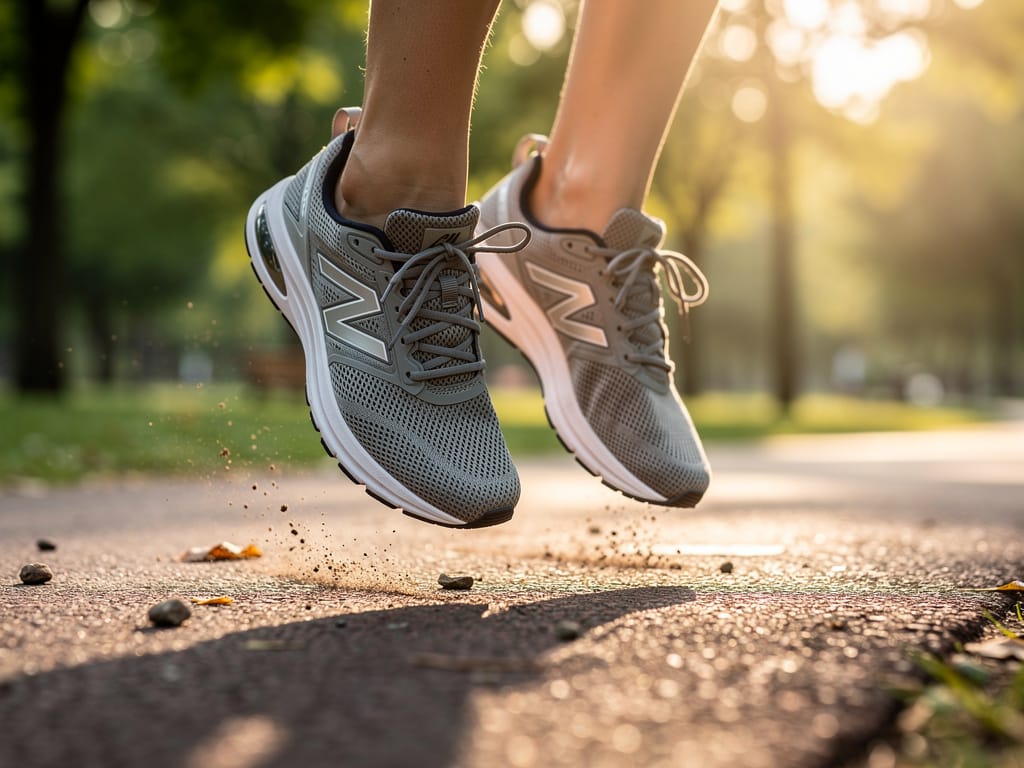
Beyond the impressive physical benefits, a daily walk is a potent tool for mental clarity and stress reduction. Moving your body, especially outdoors, helps lower cortisol levels-the primary stress hormone. It also stimulates the release of endorphins, which are natural mood elevators. This 10-minute break can serve as a mental reset, helping you process thoughts, reduce anxiety, and return to your day with a clearer, more focused perspective. It's a simple act of self-care with immediate and long-lasting psychological rewards.
Beyond the 10 Minutes
Think of this daily habit not as a final destination, but as a launchpad. Once the 10-minute walk becomes an automatic part of your day, you may feel inspired to do more. Perhaps some days you'll extend it to 20 minutes, or you might incorporate hills to increase the challenge. It creates positive momentum, building a foundation of physical confidence that can lead to exploring other forms of movement. The most important step is the first one-and every one after that for just 10 minutes.
Key Takeaways
- A daily 10-minute brisk walk is a scientifically-backed habit for reducing all-cause mortality and increasing healthspan.
- The key is maintaining a 'brisk' pace where your heart rate is elevated, but you can still talk comfortably.
- This practice improves cardiovascular health, helps regulate blood sugar, and reduces inflammation.
- Use 'habit stacking' by linking your walk to an existing daily routine to ensure consistency.
- The mental benefits, including stress reduction and improved mood, are just as significant as the physical ones.
Ultimately, the quest for a longer, healthier life is won through small, sustainable daily actions, not occasional grand gestures. A simple 10-minute walk is one of the most powerful, accessible, and effective strategies available to everyone. As always, for specific health concerns or before starting a new exercise program, it is best to consult with a qualified healthcare professional.