The Age When Your Body Starts Aging Faster - According to Science

We often talk about aging as a slow, steady slope-a gradual decline that happens bit by bit over decades. But what if it isn't so linear? Groundbreaking research suggests that our bodies don't age at a constant pace. Instead, the process seems to happen in distinct waves, with specific ages marking significant biological turning points. Understanding these moments isn't about fearing a number on the calendar; it's about empowering ourselves with knowledge to better manage our long-term health.

The Three Biological Waves of Aging
The idea of aging in spurts comes from a landmark 2019 Stanford University study that analyzed blood plasma from more than 4,200 people aged 18 to 95. Researchers were looking at the 'proteome'-the full set of proteins in the blood. They discovered that the levels of these proteins, which reflect what's happening in all our organs, don't just change steadily. Instead, they found three major shifts, or waves, that occur around specific ages, indicating key changes in our biology.
Age 34: The First Ripple
The first significant change in the proteome happens around the average age of 34. This isn't an overnight collapse, but a subtle yet measurable shift. The changes at this stage are often related to proteins involved in how our cells are structured and how they communicate. Think of it as the body's initial transition away from its peak developmental phase. While you won't feel dramatically different, it's a sign that the underlying biological processes are beginning to change their patterns.
Age 60: The Second Shift
The second, more noticeable wave occurs around age 60. This is a period where a larger number of proteins show altered levels, many of which are associated with immune response and metabolic function. This scientific finding aligns with what many people anecdotally experience-a time when healing might take a little longer or when managing weight requires more attention. This shift underscores the importance of focusing on diet and exercise to support these changing systems.
Age 78: The Final Wave
The third and final wave identified by the study happens around age 78. This marks the most significant change in the blood's protein composition, affecting a wide array of biological pathways, including those related to bone health and cardiovascular function. It's important to remember that these ages are averages. Genetics, lifestyle, and environment play a massive role in when-and how-an individual experiences these changes.
Beyond the Numbers: Your Biological vs. Chronological Age
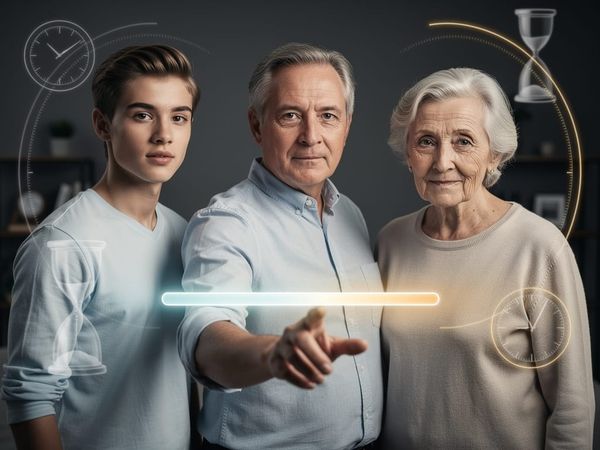
The most powerful takeaway from this research is that your chronological age-the number of birthdays you've had-is not the full story. Your biological age, which is the age of your cells and organs, is far more important. The fantastic news is that you have significant influence over your biological age through your daily habits. It's not about stopping the clock, but about giving your body the tools it needs to function optimally for as long as possible.
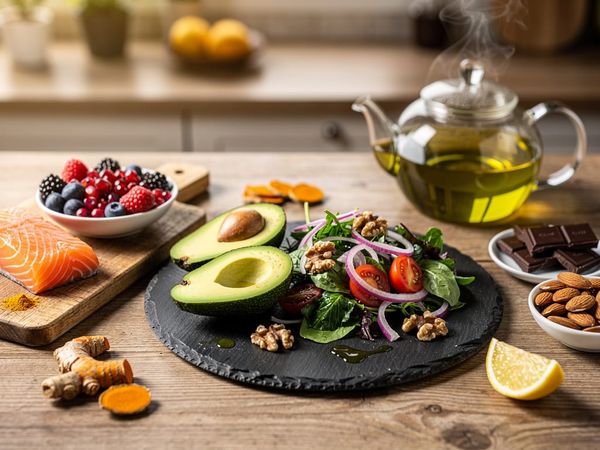
- Nourish Intelligently: Prioritize a diet rich in whole foods, antioxidants, and anti-inflammatory compounds. Think colorful vegetables, lean proteins, healthy fats, and fiber. Minimizing processed foods, sugar, and excessive alcohol can have a profound impact on cellular health.
- Move with Purpose: Consistency is everything. A balanced routine that includes strength training to maintain muscle mass, cardiovascular exercise for heart health, and flexibility work is fundamental to healthy aging.
- Prioritize Deep Sleep: Sleep is not a luxury; it's a biological necessity. During deep sleep, your body performs critical repair work, clears out cellular waste, and balances hormones. Aim for 7-9 hours of quality, uninterrupted sleep per night.
- Manage Your Stress: Chronic stress floods your body with the hormone cortisol, which can accelerate the aging process. Incorporate stress-reducing practices into your day, such as mindfulness, deep breathing, or spending quiet time in nature.
- Cultivate Connections: Strong social bonds are a surprisingly powerful factor in longevity and well-being. Meaningful relationships and a sense of community can lower stress and provide critical emotional support.
While science can point to average ages where biological shifts occur, these are not fixed destinies. Your daily choices are the most effective tools you have for influencing your healthspan and vitality for years to come.
Disclaimer: This article is for informational purposes only and does not constitute medical advice. Please consult with a qualified healthcare professional for any health concerns or before making any changes to your diet or lifestyle.