The Aging Clock Is Real - Here's How to Slow It Down
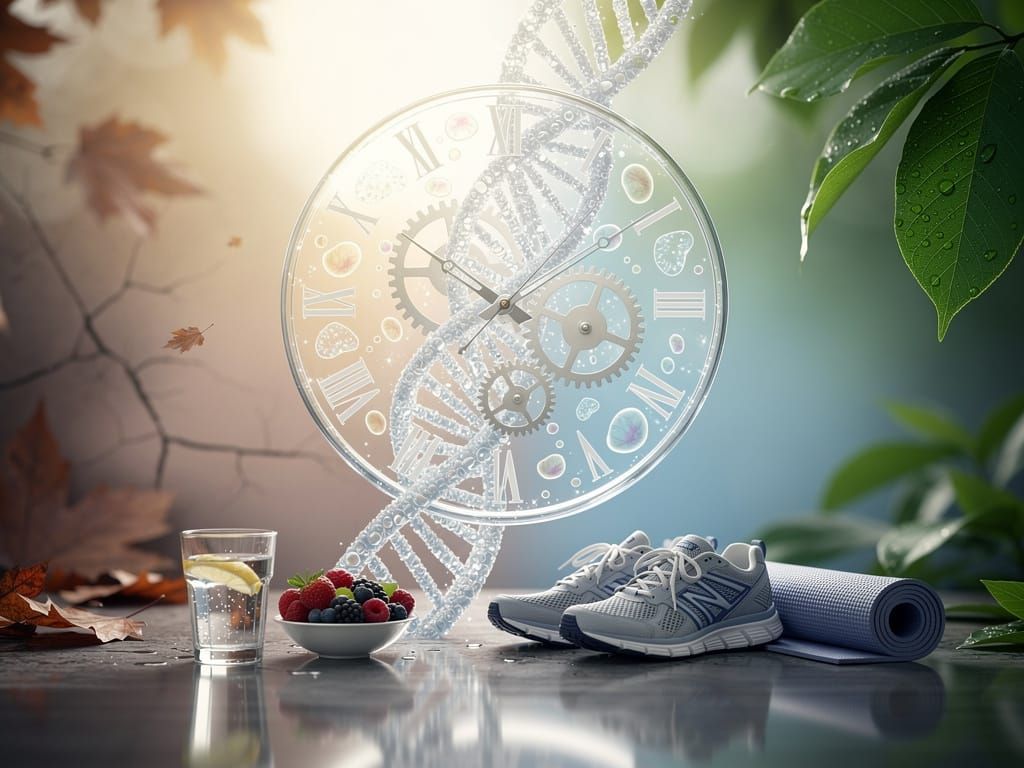
Your Body Has Two Ages - and They're Not the Same
Your birth certificate tells one story. Your cells tell another.
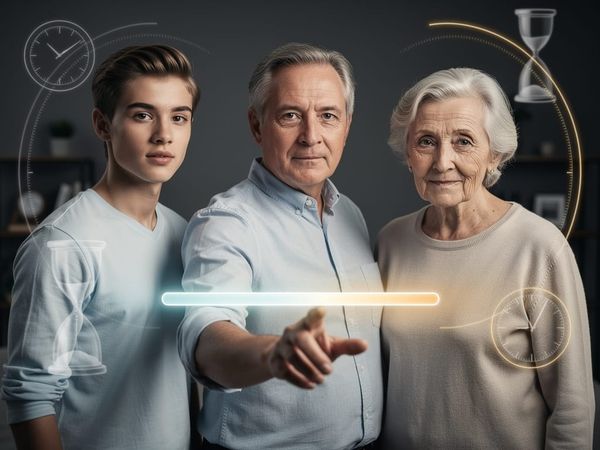
Scientists now distinguish between chronological age - the number of years you've been alive - and biological age, which reflects how fast your body is actually deteriorating at the cellular level. And here's the part that changes everything: biological age is largely within your control.
The mechanism behind this? Telomeres. These are the protective caps at the ends of your chromosomes, and every time a cell divides, they get a little shorter. When they're gone, the cell stops functioning properly. That's aging, in its most literal form.
But research from institutions like the Blackburn Lab at UCSF has shown that lifestyle factors - sleep, stress, diet, movement - directly influence how fast telomeres shorten. The clock is real. The speed, however, is negotiable.
The Two Sides of the Aging Equation
Here's the honest truth: most people focus only on what accelerates aging. They cut out sugar, they buy supplements, they chase the next biohack. But slowing the clock is really about understanding both sides of the equation simultaneously.
On one side, you have the accelerators - the daily habits quietly burning through your biological reserves faster than your calendar years would suggest.
- Chronic sleep deprivation - even losing 90 minutes a night consistently elevates cortisol and inflammatory markers
- Ultra-processed food consumption - linked to accelerated telomere shortening in multiple population studies
- Sedentary behavior - independent of exercise, sitting for long unbroken stretches degrades metabolic health
- Unmanaged psychological stress - oxidative stress from chronic anxiety directly damages cellular structures
- Social isolation - consistently ranked among the strongest predictors of early biological decline
On the other side, you have the protectors - the inputs that actively preserve and even restore biological function over time.
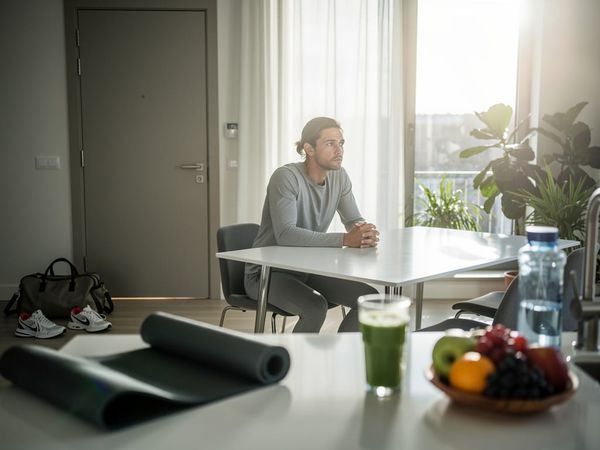
- Zone 2 cardio - low-intensity aerobic exercise (think brisk walking or easy cycling) stimulates mitochondrial repair
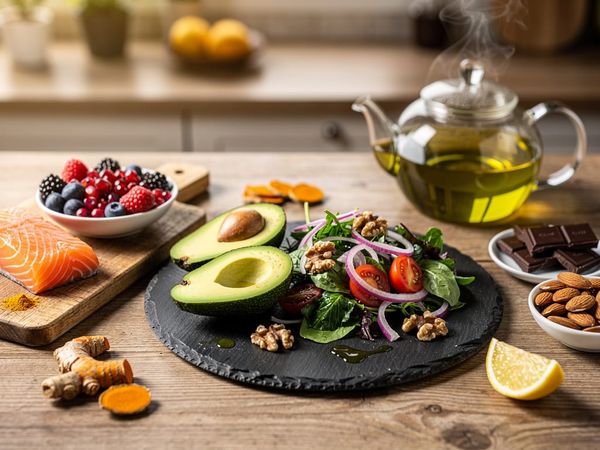
- Whole food, plant-forward eating - particularly foods rich in polyphenols like berries, dark leafy greens, and olive oil
- Consistent, high-quality sleep - the body's primary cellular repair window, non-negotiable for longevity
- Strength training - preserves muscle mass, bone density, and metabolic rate as decades pass
- Purposeful social connection - strong relationships correlate with longer telomere length in longitudinal studies
The Compounding Effect Nobody Talks About

Here's where the comparative lens gets genuinely interesting.
Take two people, same age, same genetics. One sleeps 7-8 hours, moves daily, eats mostly whole foods, and maintains close relationships. The other sleeps 5 hours, sits most of the day, eats convenience food, and feels chronically stressed. Studies tracking biological aging markers suggest those two individuals could have a biological age gap of 10 to 15 years - even if they share a birthday.
That's not a metaphor. That's measurable in blood biomarkers, grip strength, cognitive processing speed, and yes - telomere length.
The compounding effect works in both directions. Small, consistent accelerators stack up silently. Small, consistent protectors stack up quietly in your favor. The difference is that the protectors rarely feel urgent - until one day, they clearly were.
The aging clock isn't something to fear. It's something to understand. Once you see the two sides clearly - what drains your biological reserves and what replenishes them - the path forward stops feeling overwhelming and starts feeling like a series of genuinely manageable daily choices.
You don't need a radical overhaul. You need a honest look at where your daily habits currently sit on that spectrum, and a willingness to shift the balance incrementally. The science is clear: the body responds. It adapts. It repairs - when you give it the right conditions to do so.
Start with one protector this week. Add another next week. The clock is ticking, yes - but for the first time in human history, we have real evidence that you can influence the pace.