The Aging Test You Can Do at Home in Under a Minute

Your chronological age is just a number. Your biological age - the one that actually matters - tells a completely different story. And the wild part? You can get a surprisingly clear snapshot of it right now, in your living room, without any equipment.
Researchers and movement specialists have long used simple physical assessments to gauge how well the body is aging beneath the surface. These tests measure things like balance, flexibility, and functional strength - three pillars that tend to quietly erode long before most people notice. Here's how to check in on yours.
The Two Tests That Reveal the Most
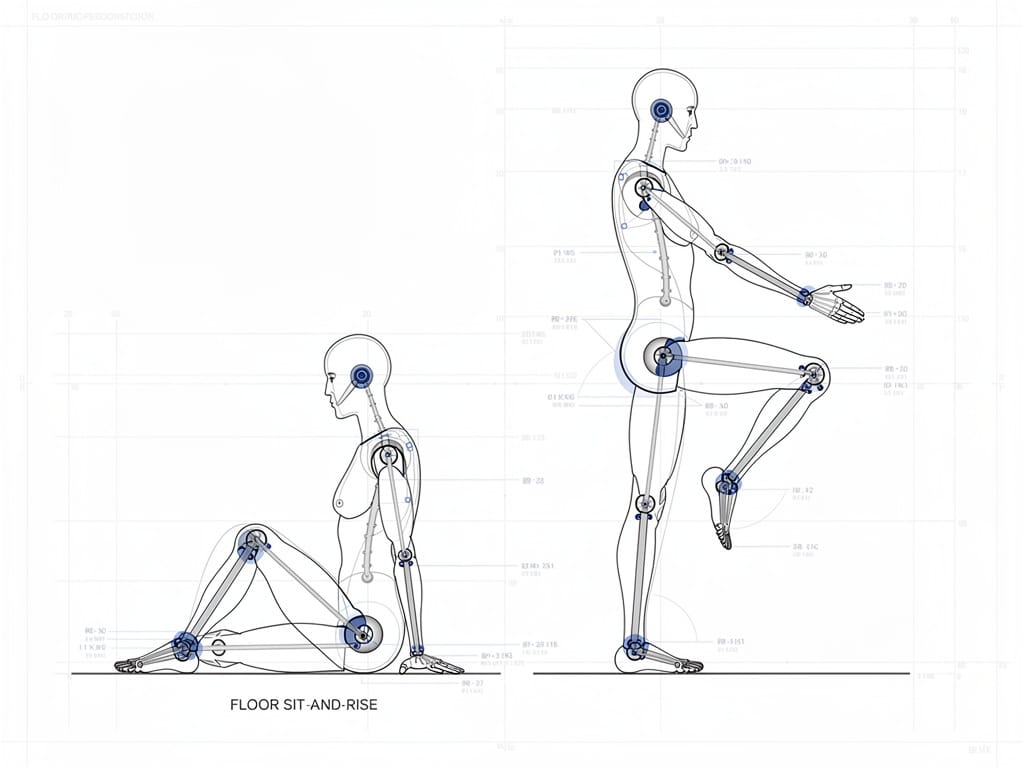
- The Sitting-Rising Test (SRT)
- Cross your legs and lower yourself to the floor without using your hands, knees, or forearms for support - then stand back up the same way. Each assist you need costs you points from a perfect score of 10.
- A landmark study published in the European Journal of Preventive Cardiology found that people who scored low on this test had significantly higher mortality risk over a 6-year follow-up period. It's not just about flexibility - it reflects neuromuscular coordination, core strength, and body composition all at once.
- The goal isn't perfection on day one. It's to use your score as a baseline and track improvement over weeks and months of consistent movement practice.
- The Single-Leg Balance Test
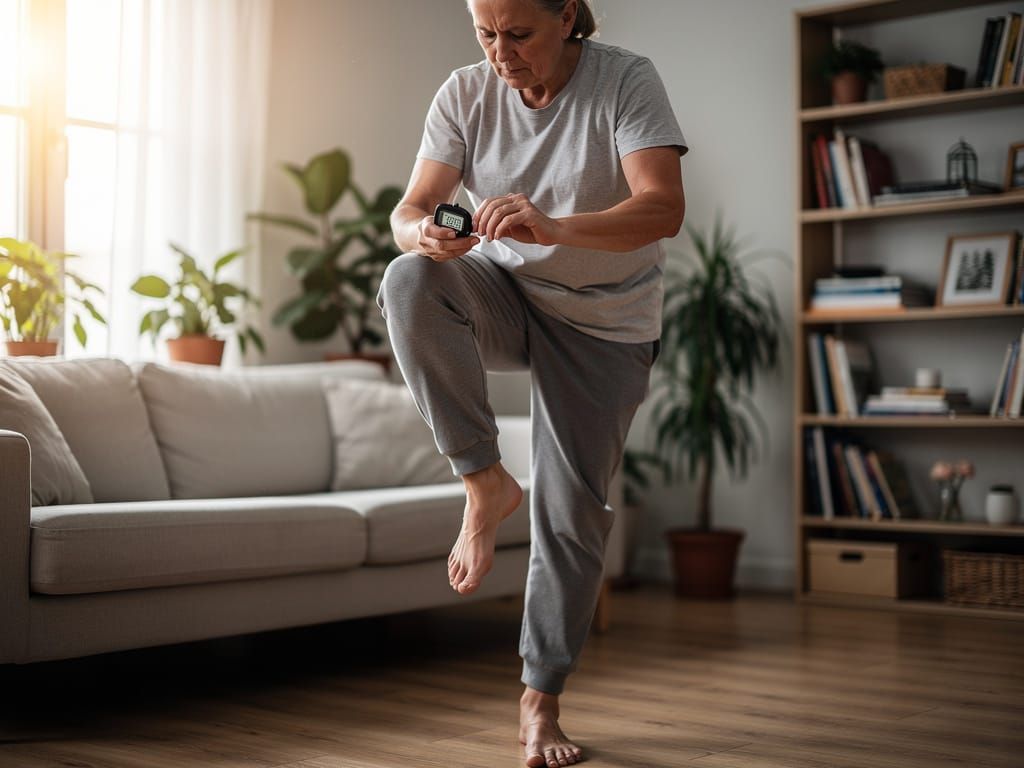
- Stand barefoot, lift one foot a few inches off the ground, and time how long you can hold it with your eyes open. Then try it with your eyes closed - that's where things get genuinely revealing.
- Research from the British Journal of Sports Medicine found that the inability to balance on one leg for at least 10 seconds in midlife was associated with a nearly doubled risk of death from any cause within the following decade. Balance is a direct window into nervous system health.
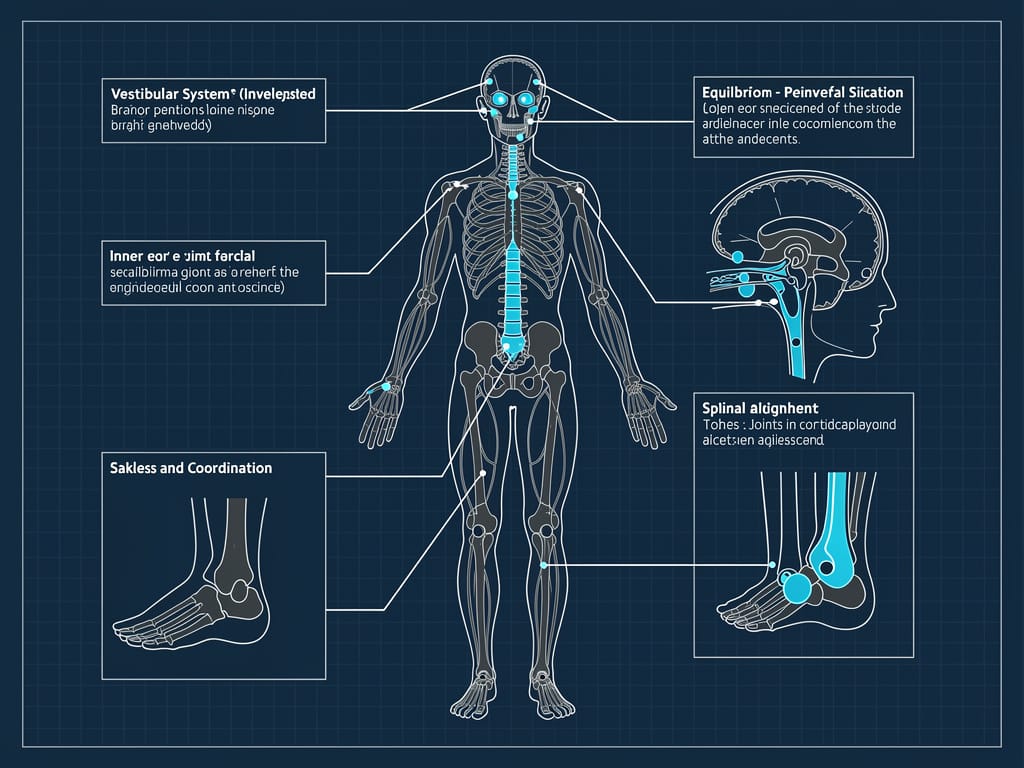
- Eyes-open balance under 30 seconds, or eyes-closed balance under 10 seconds, suggests your vestibular and proprioceptive systems may need some targeted attention.
What Your Results Are Actually Telling You
These tests aren't party tricks. They're functional mirrors - reflecting the state of systems that aging quietly chips away at first.
- Poor scores signal declining neuromuscular efficiency
- The brain-to-muscle communication pathways slow down with age, especially without regular challenge. These tests stress-test exactly that connection.
- The good news: this pathway is highly trainable at any age. Practices like yoga, tai chi, and resistance training have all shown measurable improvements in both balance and functional mobility in older adults.
- Think of low scores not as a verdict, but as a starting point - a clear direction for where to focus your wellness habits.
- Flexibility and mobility gaps show up here first
- The SRT in particular exposes tightness in the hips, ankles, and thoracic spine - areas that stiffen with prolonged sitting and inactivity long before pain ever shows up.
- Daily floor-based movement - even just 10 minutes of intentional stretching or mobility work - can meaningfully shift these scores within a few weeks.
- Consistency beats intensity here. Small, daily inputs compound into real biological change over time.
- Your score today is not your score forever
- Biological aging is not a one-way street. Lifestyle factors - sleep quality, nutrition, stress management, and movement - all influence how fast or slow the body ages at a cellular level.
- Using these tests monthly gives you real, tangible feedback on whether your habits are actually working. That feedback loop is one of the most powerful tools in any long-term wellness strategy.
- Track your numbers. Celebrate small wins. The data keeps you honest and motivated in ways that vague goals never will.
Take the tests today - seriously, right now if you can. Write down your scores, set a reminder for 30 days from now, and do them again. That gap between today and next month is where your real biological age story gets written. No lab coat required.