The Amino Acid Hierarchy

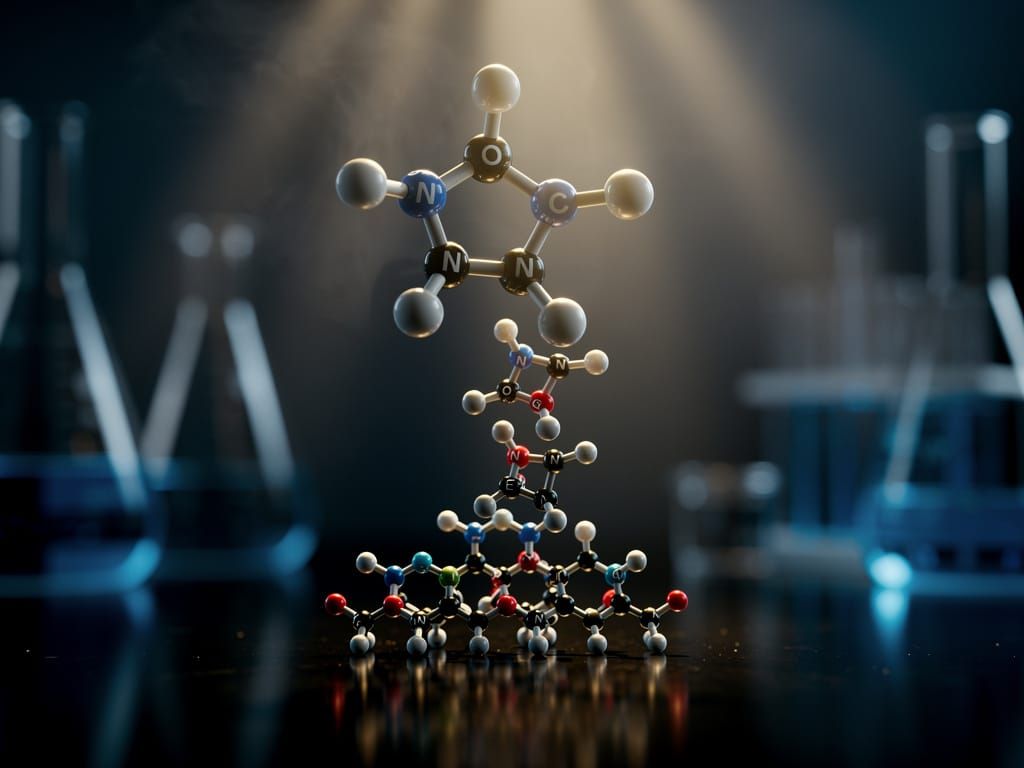
Proteins are the building blocks of your body. Amino acids are the building blocks of protein. This is not complex. Your body uses about 20 different amino acids to construct everything from muscle tissue to enzymes. Understanding them is fundamental to optimizing your health. Forget the complicated jargon. Think of it as a simple hierarchy of importance.
At the top of this hierarchy are the essential amino acids (EAAs). There are nine of them. Your body cannot produce them on its own. You must get them from your diet. This is a non-negotiable biological fact. Without a consistent supply of these nine specific compounds, critical bodily functions begin to degrade. Protein synthesis stalls. Muscle repair falters. Neurotransmitter production slows down. This is the foundation of the amino acid pyramid.
Below the essentials are the non-essential amino acids. The name is misleading. They are absolutely necessary for health, but your body can synthesize them from other components, provided it has the right raw materials. Then there are conditionally essential amino acids, which become essential during times of illness or stress. This structure-essentials first, conditionals second, non-essentials third-is the key. Your daily nutritional strategy must prioritize getting the nine essentials. Everything else follows from there.
- Amino Acids: The fundamental components of proteins, required for countless bodily functions.
- The Hierarchy: A system prioritizing essential amino acids (EAAs) that must be obtained from diet.
- Essential Amino Acids (EAAs): Nine specific aminos your body cannot synthesize.
- Non-Essential Amino Acids: Aminos your body can produce from other compounds.
- Primary Goal: Your diet must consistently supply all nine EAAs for optimal function.
Frequently Asked Questions
What are essential amino acids, really?
The nine essential amino acids are histidine, isoleucine, leucine, lysine, methionine, phenylalanine, threonine, tryptophan, and valine. Think of them as a team of specialists that must all be present for a project to succeed. If even one is missing, the entire process of building new proteins-a function called protein synthesis-is severely compromised. You can consume a large amount of protein, but if it's missing or low in just one EAA, your body cannot effectively use the others.
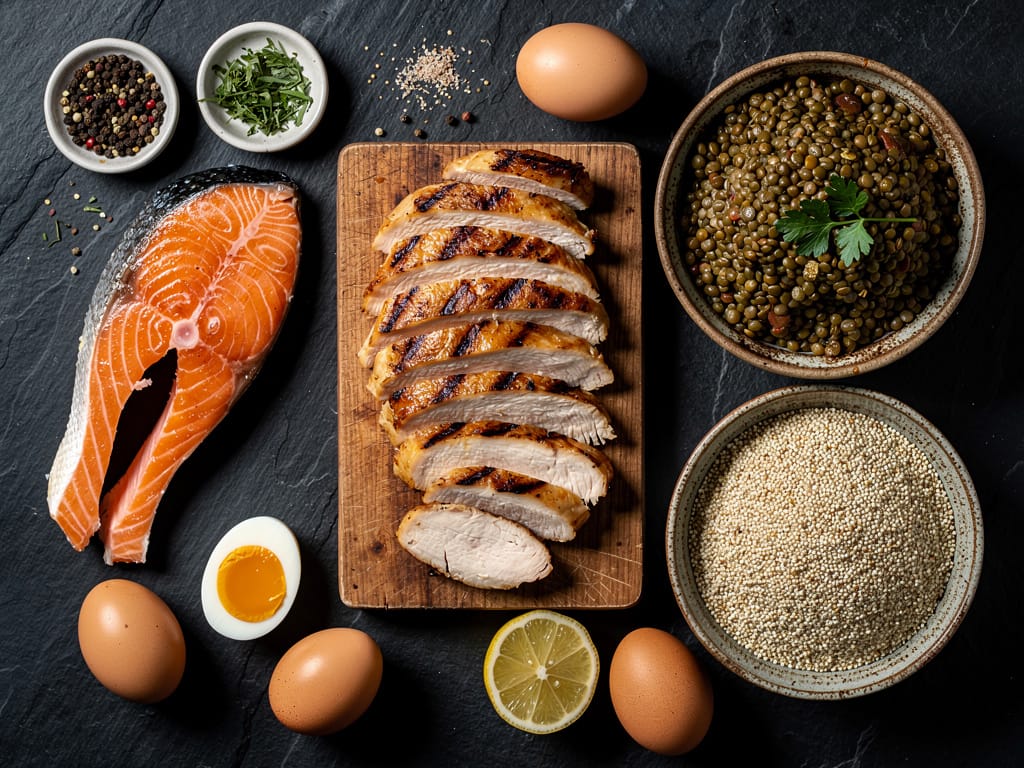
This is why the concept of 'complete protein' exists. A complete protein source, like meat, eggs, or dairy, contains all nine EAAs in sufficient quantities. Getting these from your diet every day is a foundational pillar of maintaining muscle mass, supporting immune function, and ensuring proper metabolic health. Their essential nature is absolute; there is no workaround.
Do I need to worry about non-essential amino acids?
The term 'non-essential' simply means your body can manufacture them itself. It does not mean they are unimportant. Alanine, arginine, asparagine, aspartic acid, cysteine, glutamic acid, glutamine, glycine, proline, serine, and tyrosine are all critical for health. Your body is smart; it can convert other amino acids or metabolic intermediates into these specific aminos as needed. For most healthy individuals, a diet sufficient in protein and calories provides all the necessary building blocks for the body to produce them without issue.
However, during periods of intense physical stress or certain health conditions, the body's demand for specific non-essential aminos like glutamine or arginine can outpace its ability to produce them. In these scenarios, they become 'conditionally essential'. For general wellness, focusing on getting enough total protein ensures your body has the raw materials to handle its own production line efficiently. Always consult a healthcare professional for personalized advice regarding your specific health situation.
How do branched-chain amino acids (BCAAs) fit in?
Branched-chain amino acids-or BCAAs-are a sub-group of the essential amino acids. Specifically, they are leucine, isoleucine, and valine. They are unique because of their chemical structure and the fact that they are primarily metabolized in the muscle, rather than the liver. This makes them particularly important for muscle protein synthesis, energy production during exercise, and reducing muscle soreness after a workout.
Leucine is considered the most powerful of the three, acting as a direct signal to initiate the muscle-building process. While BCAA supplements are popular, it's important to remember they are just three of the nine essential aminos. Consuming a complete protein source provides BCAAs along with the other six EAAs required to actually build and repair tissue. Focusing solely on BCAAs without the other essentials is like having a spark plug but no engine block.

What's the best way to get all my essential aminos?
The most effective strategy is to consume high-quality, complete protein sources with your meals. Animal-based proteins such as meat, poultry, fish, eggs, and dairy are all considered complete, meaning they contain all nine EAAs in robust amounts. For those following a plant-based diet, it's about smart combinations. Many plant proteins are 'incomplete,' meaning they are low in one or more EAAs.
For example, beans are low in methionine, while grains are low in lysine. Combining them-like rice and beans-creates a complete protein profile. Other excellent plant-based sources that are complete or nearly complete include quinoa, soy products (tofu, tempeh), buckwheat, and chia seeds. The goal is simple: prioritize protein-rich whole foods. This approach provides not just the amino acids, but also a full spectrum of micronutrients that support overall health. This information is for educational purposes and is not a substitute for professional medical advice.