The Collagen Cross-Linking Problem

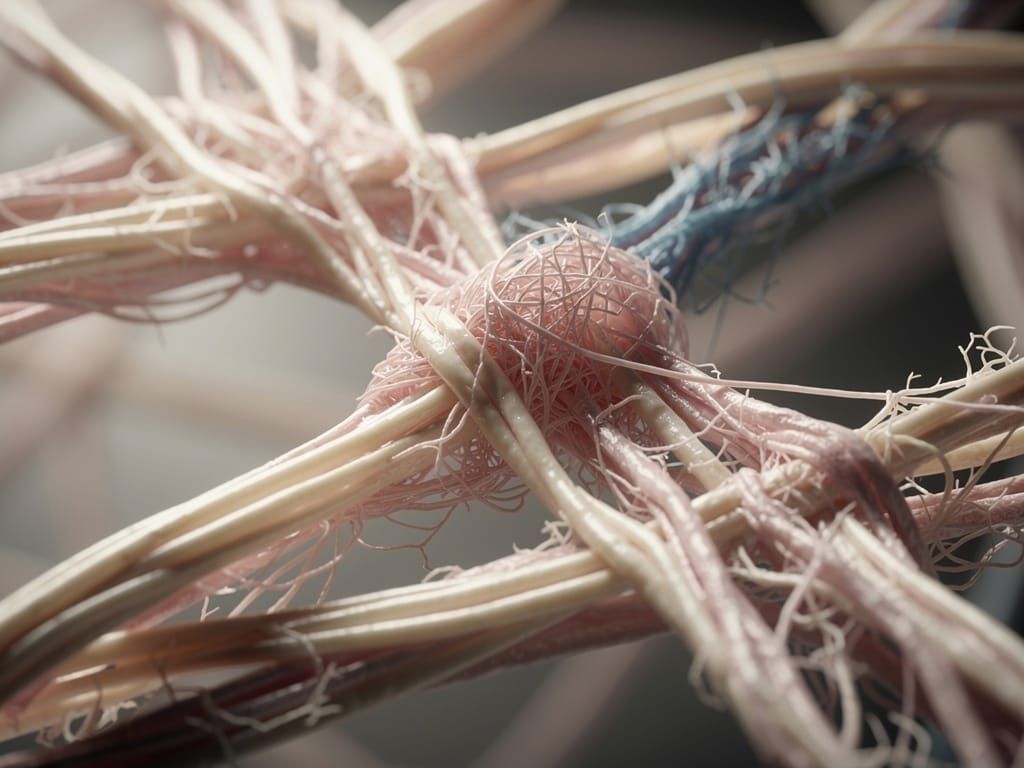
Collagen is the most abundant protein in your body, acting as the primary structural component for everything from your skin and bones to your tendons and ligaments. Think of it as the body's internal scaffolding, providing strength, flexibility, and resilience. In our youth, this scaffolding is supple and well-organized, which is why skin appears smooth and joints move freely. However, over time, this framework can become compromised.
A key process behind this decline is known as collagen cross-linking. This is a chemical reaction where collagen fibers, which should be able to slide past one another, become stiffly and permanently bonded together. While this is a natural part of the aging process, certain lifestyle factors can significantly speed it up, leading to premature signs of aging like wrinkles, skin sagging, and stiff joints. Understanding what drives this process is the first step toward protecting your body's essential framework.
The Science of Stiffening: Glycation and AGEs
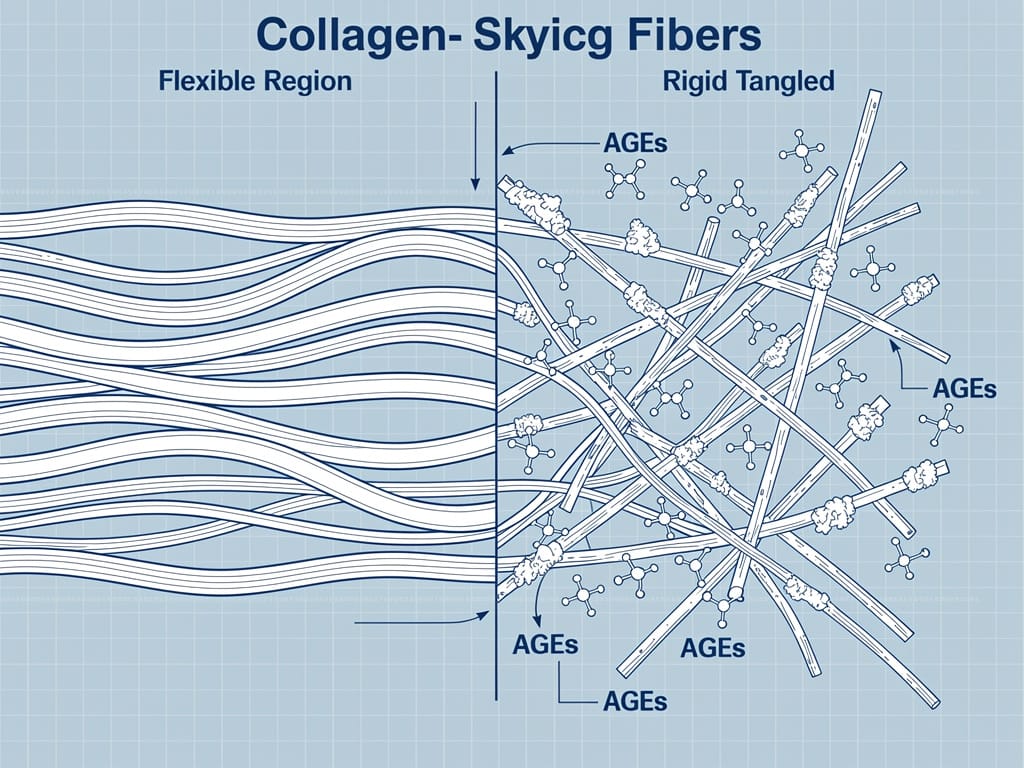
The primary culprit behind accelerated collagen cross-linking is a process called glycation. This occurs when excess sugar molecules in your bloodstream attach to proteins, forming harmful new molecules called Advanced Glycation End Products (AGEs). These AGEs are the agents that create the damaging cross-links.
- The Chemical Reaction Explained
- Excess glucose (sugar) floating in the bloodstream spontaneously bonds with proteins like collagen, no enzyme required.
- This initial bond creates unstable molecules that, over time, undergo further reactions to form permanent, irreversible AGEs.
- These AGEs act like molecular glue, creating rigid bridges-or 'cross-links'-between individual collagen fibers, restricting their movement.
- The Impact on Your Body
- In the skin, this stiffness and loss of flexibility directly translates to wrinkles, fine lines, and a loss of elasticity.
- This isn't just a surface-level issue; cross-linking can also affect the collagen in blood vessels, organs, and joints, contributing to broader age-related declines in function.
Actionable Strategies to Minimize Cross-Linking
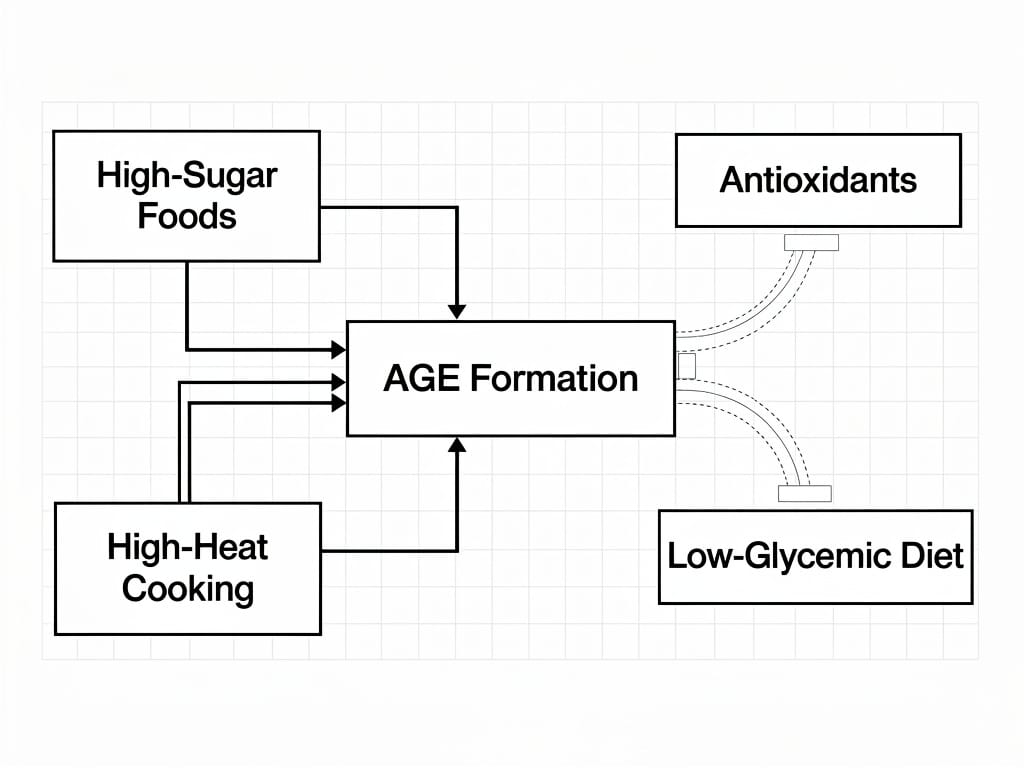
While you can't stop the aging process entirely, you can absolutely influence the rate at which AGEs form. The strategy is centered on mindful dietary and lifestyle choices that reduce your body's exposure to the building blocks of cross-links.
- Manage Your Sugar Intake
- This is the most direct and effective way to reduce glycation. Less excess sugar in your system means fewer opportunities for it to bind with your collagen.
- Focus on a diet rich in whole foods and consciously limit your consumption of processed sugars, refined carbohydrates, and sugary beverages.
- Choose Smart Cooking Methods
- AGEs aren't just formed inside your body; they can also be present in the food you eat, especially foods cooked with high, dry heat.
- Grilling, frying, and roasting can create a high concentration of AGEs. Try to incorporate lower-temperature, moist-heat cooking methods like poaching, steaming, and stewing more often.
- Incorporate Antioxidant-Rich Foods
- Oxidative stress can worsen the damage caused by AGEs. A diet rich in antioxidants helps protect your cells and proteins.
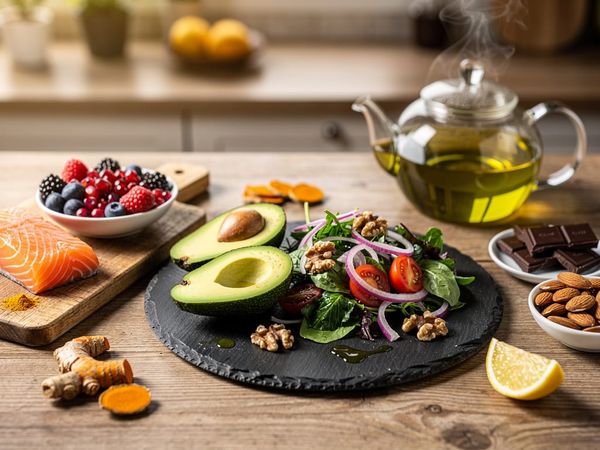
- Load your plate with colorful vegetables, berries, leafy greens, and spices like turmeric and cinnamon, which are known for their protective properties.
Tackling the collagen cross-linking problem isn't about a magic pill; it's about making consistent, intelligent choices. By managing your sugar intake and adopting smarter cooking habits, you can help protect your body's structural integrity from the inside out, promoting long-term health and vitality. For any specific health concerns or before making significant dietary changes, it is always best to consult with a qualified healthcare professional.