The Foods Aging Experts Avoid at All Costs

But here's the truth: the foods you're removing from your plate might do even more for your long-term health than the ones you're adding.
- Ultra-processed foods accelerate cellular aging by triggering chronic inflammation and oxidative stress.
- Added sugars directly damage collagen and elastin through a process called glycation - speeding up visible aging.
- Refined vegetable oils are loaded with unstable fats that promote the kind of inflammation linked to faster biological aging.
- Alcohol, even in moderate amounts, depletes key nutrients, disrupts sleep quality, and stresses the liver - all of which show up on your face and in your energy levels over time.
Why What You Don't Eat Matters as Much as What You Do
You've probably heard a lot about the superfoods you should be eating. Blueberries, olive oil, leafy greens - the usual suspects. And yes, they matter.
But here's the truth: the foods you're removing from your plate might do even more for your long-term health than the ones you're adding. Aging researchers and longevity scientists consistently point to a handful of dietary patterns that quietly accelerate the biological clock - and most of us are eating them every single day without a second thought.
Let's talk about what those are, and why they're doing more damage than you'd expect.
Sugar: The Collagen Killer You're Probably Underestimating
I know, I know - you've heard the 'sugar is bad' speech a hundred times. But stick with me here, because the mechanism is genuinely worth understanding.
When excess sugar circulates in your bloodstream, it binds to proteins in a process called glycation. The result? It forms compounds called AGEs - Advanced Glycation End-products. These directly damage collagen and elastin, the structural proteins that keep your skin firm and your tissues resilient.
It's not just about wrinkles, either. Glycation affects your arteries, your joints, and even your brain tissue. The sneaky part is that added sugars hide everywhere - in 'healthy' yogurts, salad dressings, granola bars, and flavored coffees. Reading ingredient labels isn't paranoia. It's just smart.
The Processed Food Trap (And Why It's So Hard to Escape)
Here's something the food industry doesn't love to advertise: ultra-processed foods are specifically engineered to override your body's natural satiety signals. They're designed to keep you eating. And the long-term cost of that is steep.
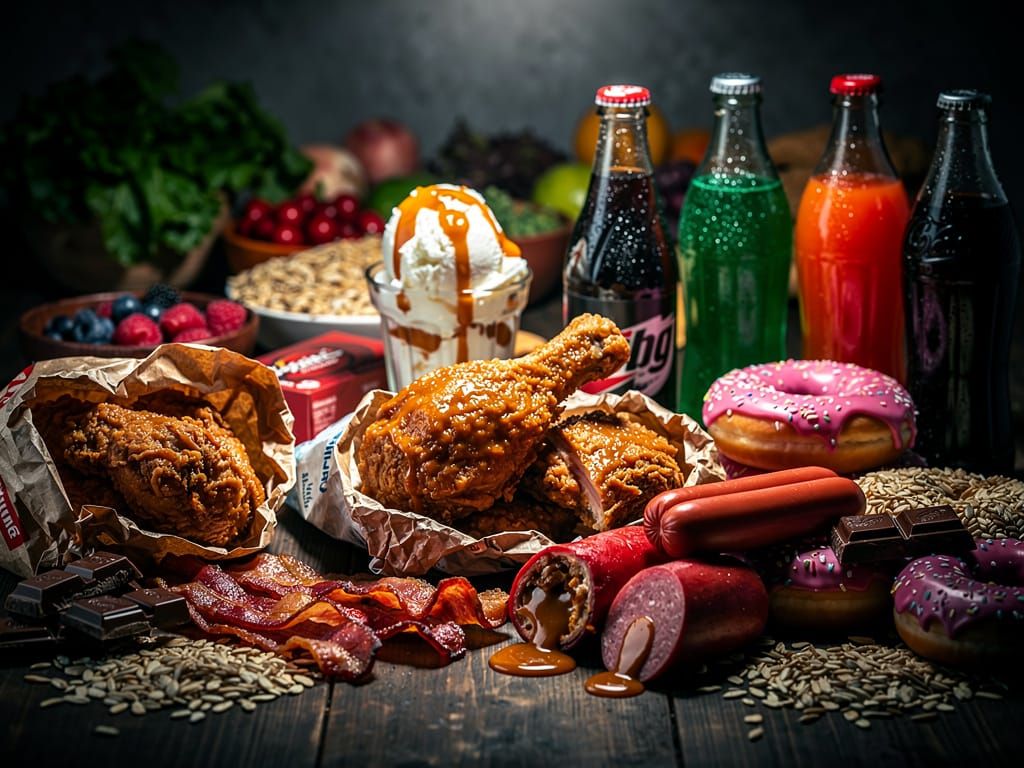
Aging experts consistently flag ultra-processed foods as one of the biggest drivers of chronic low-grade inflammation - the kind that doesn't hurt acutely but slowly wears down your cells, your immune system, and your cardiovascular health over years and decades. Think packaged chips, fast food, deli meats, instant noodles, and most commercial baked goods.
The damage compounds over time. That's what makes it so easy to dismiss in your 30s and so hard to ignore in your 50s and 60s.
The Worst Offenders, Ranked
If you're looking to make a real shift, here's a practical order of priority for what to cut back on first:
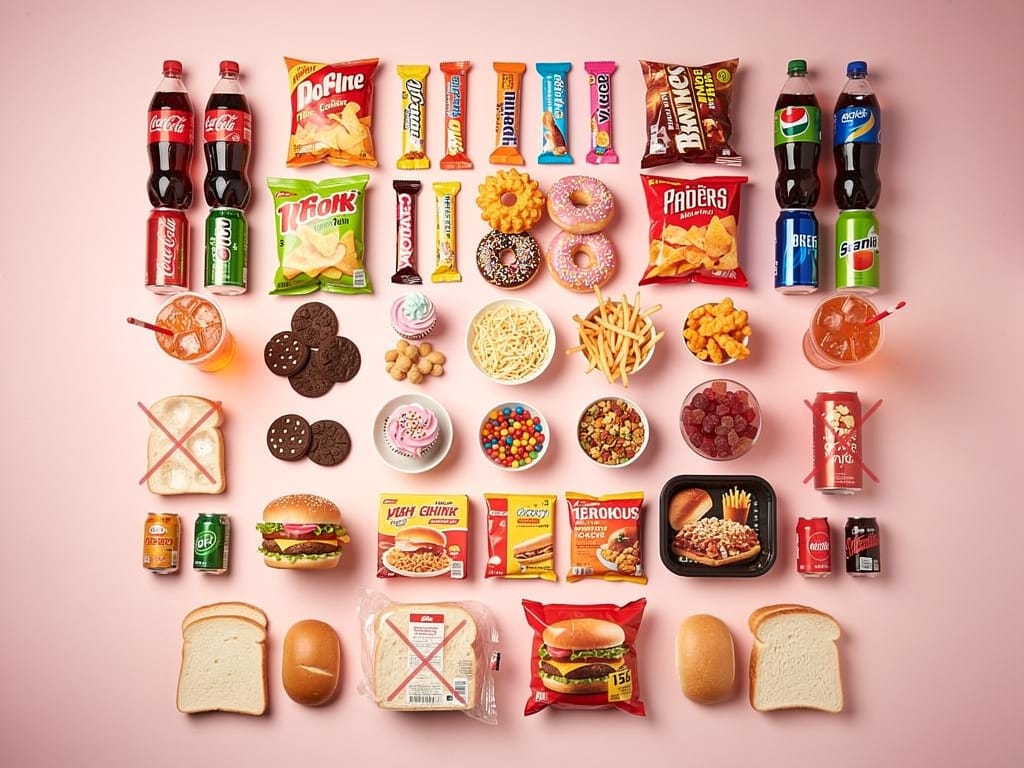
- Sugary beverages - sodas, sweetened juices, energy drinks. Liquid sugar hits your bloodstream fast and hard, with zero nutritional payoff.
- Ultra-processed snack foods - chips, crackers, commercial cookies. High in refined carbs, industrial seed oils, and additives.
- Refined vegetable and seed oils - corn oil, soybean oil, sunflower oil. These are high in omega-6 fatty acids that, in excess, tip your body toward an inflammatory state.
- Processed meats - hot dogs, deli slices, bacon. Linked in multiple large studies to accelerated cellular aging markers.
- Alcohol - even moderate, regular drinking depletes B vitamins, disrupts your sleep architecture, and puts consistent stress on your liver.
The Alcohol Conversation Nobody Wants to Have
Look, I'm not here to lecture you about having a glass of wine with dinner. Life is meant to be enjoyed, and I genuinely believe that stress and rigidity around food does its own kind of damage.
But it's worth being honest about what the research actually shows. Regular alcohol consumption - even at levels most people consider 'moderate' - is consistently associated with accelerated skin aging, poorer sleep quality, and increased oxidative stress. It also depletes folate and B12, two nutrients that are deeply tied to cellular repair and energy metabolism.
The good news? Your body is remarkably good at recovering when you give it a break. Even cutting back a few days a week makes a measurable difference over time. Small, consistent changes beat dramatic overhauls every single time.
At the end of the day, aging well isn't about perfection - it's about being honest with yourself about the patterns that are quietly working against you, and making small, steady swaps that your future self will genuinely thank you for. You don't have to overhaul everything overnight. Just start with one thing on that list, and go from there.