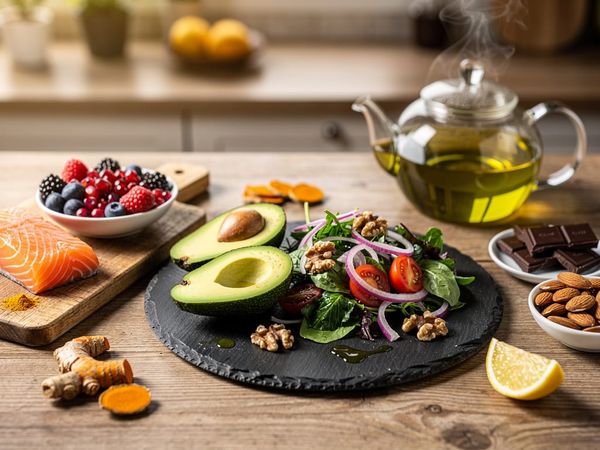
The Forgotten Mineral Balance That Governs Cellular Aging

We often chase the latest superfoods and antioxidant supplements in our quest for longevity, but one of the most fundamental processes for healthy aging happens silently inside every cell. It isn't about an exotic berry or a rare herb; it's about the simple, yet profound, balance between two common minerals: sodium and potassium.
This relationship is the engine behind what's known as the sodium-potassium pump, a mechanism so essential to life that it consumes a massive portion of our daily energy. Understanding and supporting this balance is a game-changer for long-term vitality.
The Cellular Gatekeepers: Sodium and Potassium
Think of the membrane of every cell in your body as a guarded border. The sodium-potassium pump acts as the tireless gatekeeper, actively moving sodium ions out of the cell and potassium ions in. This isn't just busywork; it's a foundational activity for your body to function.
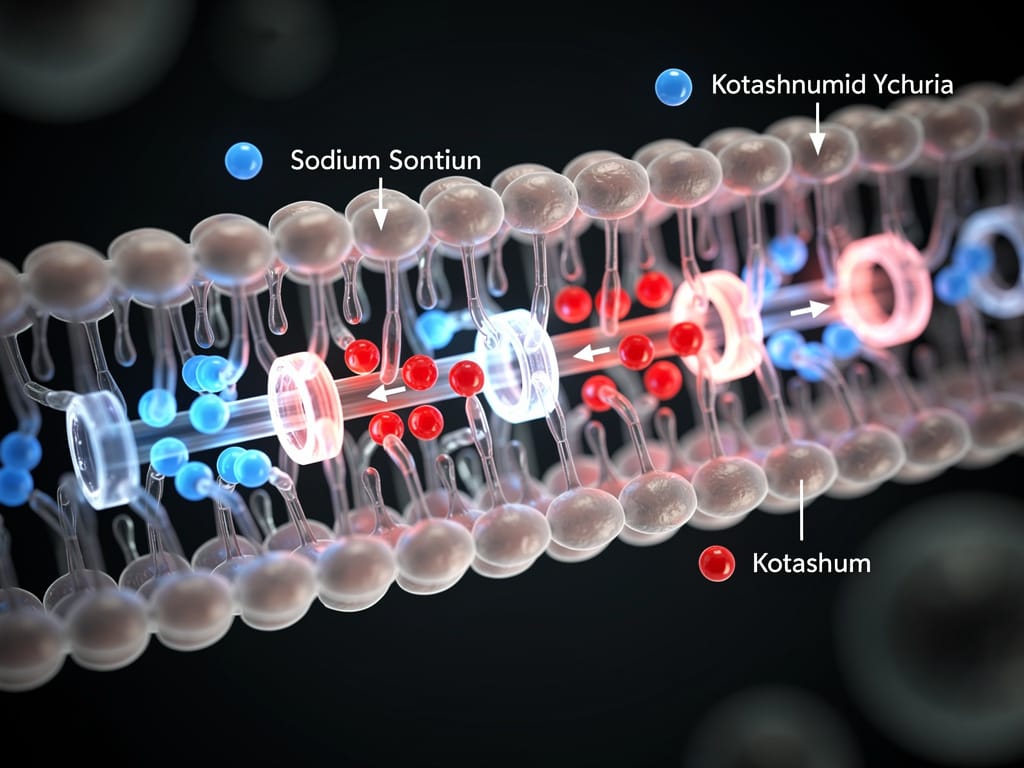
This constant exchange powers several key systems:
- Nerve Communication: Every thought and signal sent through your nervous system depends on the electrical gradient created by this pump.
- Muscle Contraction: From a heartbeat to lifting a weight, muscle function is initiated by the flow of these minerals.
- Nutrient Transport: The pump helps create the energy gradient needed to pull essential nutrients like glucose and amino acids into your cells.
- Fluid Regulation: It maintains the proper balance of fluids inside and outside of cells, preventing them from becoming dehydrated or swelling.
When Modern Diets Disrupt the Balance
For most of human history, our diets were rich in potassium from plants and naturally low in sodium. Today, that ratio is completely flipped. Processed, packaged, and restaurant foods have loaded our diets with sodium while stripping out potassium.
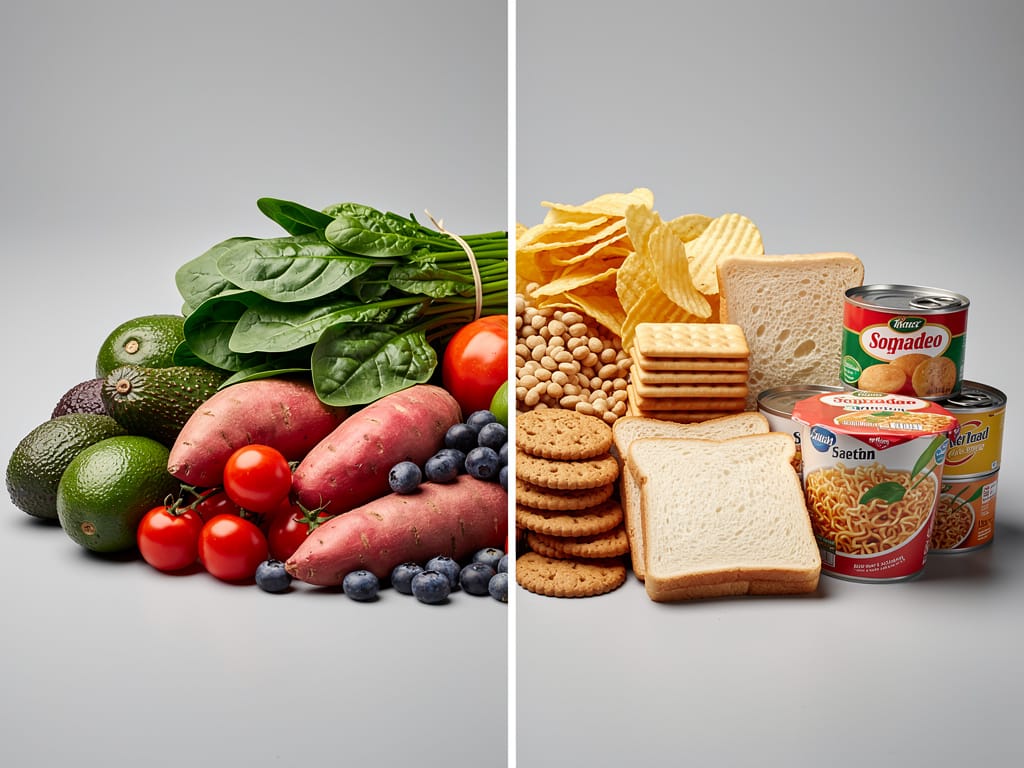
This imbalance puts tremendous strain on our cellular machinery. When there's too much sodium outside the cells and not enough potassium inside, the pumps have to work overtime. This constant stress can contribute to the cellular aging process over time by increasing oxidative stress and impairing cellular efficiency.
Actionable Steps to Support Your Mineral Balance
Restoring this natural equilibrium doesn't require extreme measures. It's about making conscious shifts toward whole, unprocessed foods. The goal is to naturally decrease sodium intake while increasing potassium.
Focus on Potassium-Rich Foods:
- Leafy Greens: Spinach, Swiss chard, and beet greens.
- Root Vegetables: Sweet potatoes, white potatoes, and carrots.
- Fruits: Bananas, avocados, oranges, and tomatoes.
- Legumes: Beans, lentils, and peas.
- Fish: Salmon and cod are excellent sources.
Be Mindful of High-Sodium Sources:
- Packaged and Processed Foods: Think frozen dinners, canned soups, and savory snacks.
- Cured Meats: Deli meats, bacon, and sausages.
- Sauces and Dressings: Soy sauce, salad dressings, and ketchup can be major sources of hidden sodium.
- Baked Goods: Bread and pastries often contain surprisingly high amounts.
By prioritizing whole foods, you automatically tip the scales back in favor of a healthier sodium-to-potassium ratio. This simple shift supports your cells from the inside out, providing a powerful foundation for healthy aging and sustained energy.
Disclaimer: This article is for informational purposes only and does not constitute medical advice. Please consult with a qualified healthcare professional for any health concerns or before making any changes to your diet or lifestyle.