The Hidden Aging Accelerator: Why Your Daily Blood Sugar Rollercoaster Is Sabotaging You.


The clock ticks past 3 PM. A thick fog descends over your brain, and a sudden, sharp craving for something sweet hits you like a wave. Your focus fractures, your energy evaporates, and the productive morning you had feels like a distant memory. This isn't just a random afternoon slump; it's a distress signal from your body, a clear symptom of a chaotic ride you might not even know you're on-the daily blood sugar rollercoaster.
While we often associate blood sugar with conditions like diabetes, its day-to-day fluctuations have a much more subtle and pervasive effect on our long-term health and appearance. This constant cycle of spikes and crashes is a hidden accelerator for the aging process, impacting everything from your skin's elasticity to your cognitive function. By understanding what's happening internally, you can move from being a passenger on this wild ride to being the one in control of the brakes.
The Glycation Gridlock: How Sugar Ages You from the Inside Out
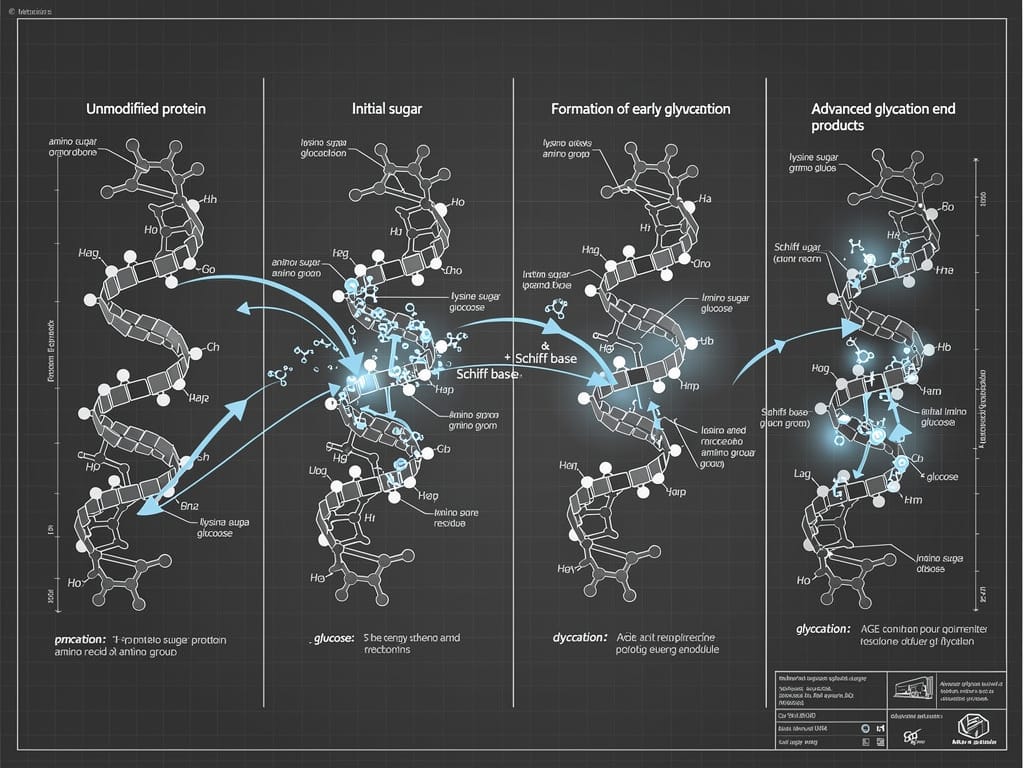
Every time you experience a significant blood sugar spike, a damaging process called glycation occurs throughout your body. Think of it as a slow, internal 'caramelization' where excess sugar molecules attach themselves to proteins and fats, creating harmful new structures that your body doesn't recognize.
- These new, rogue structures are called Advanced Glycation End-products, or AGEs for short. They are stiff, sticky, and inflammatory.
- AGEs generate significant oxidative stress, which damages cells and accelerates the aging process at a fundamental level.
- Over time, the accumulation of AGEs contributes to stiffness in our tissues and organs, impacting their function and resilience.
- Your skin's youthful structure relies on two key proteins: collagen for firmness and elastin for flexibility. Unfortunately, they are primary targets for glycation.
- When AGEs form on these proteins, they cross-link the fibers, making them rigid and brittle. This is what leads to a loss of elasticity, sagging, and the formation of fine lines and wrinkles.
- Imagine a new, flexible rubber band. Glycation is like leaving that band out in the sun until it becomes hard, cracked, and easily snaps.
Taming the Spikes: Practical Strategies for Stable Energy
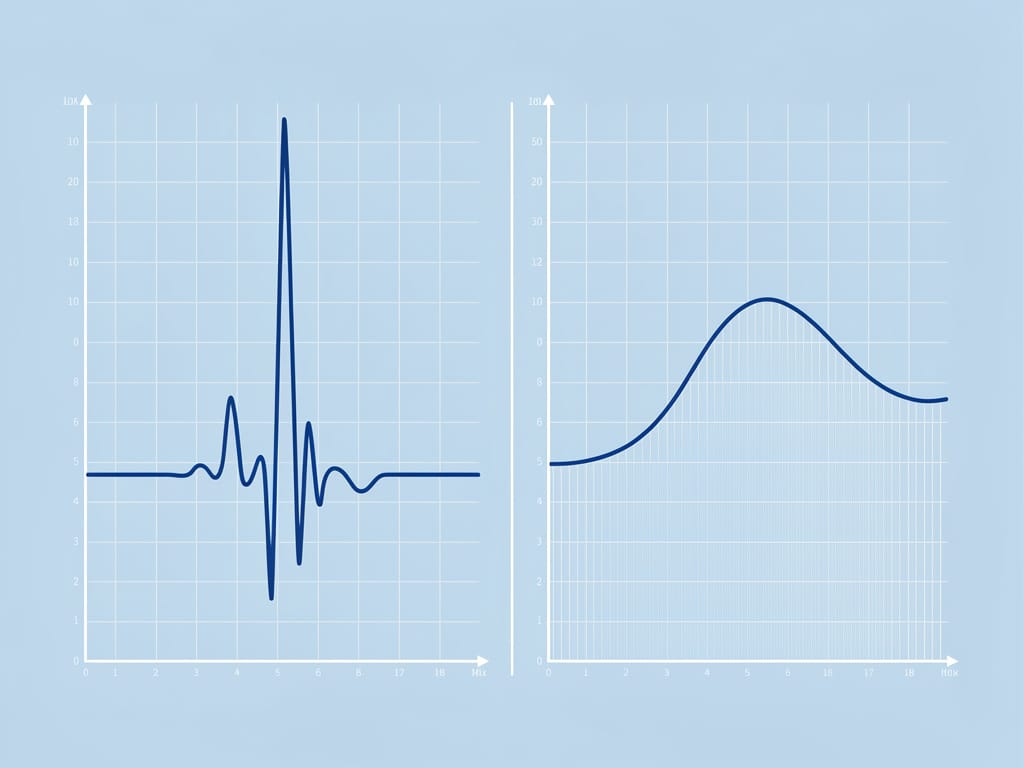
The great news is that you have significant control over this process. Flattening your glucose curves doesn't require extreme diets or deprivation. It's about implementing smart, sustainable habits that work with your body's natural systems to maintain balance.
- The order in which you eat your food has a profound impact on your glucose response. Start your meals with fiber (vegetables), followed by protein and fats.
- Save your starches and sugars (carbohydrates) for the end of the meal. The fiber, fat, and protein act as a buffer, slowing the absorption of sugar into your bloodstream.
- This simple change can dramatically reduce the glucose spike from the exact same meal, without changing what you eat.
- Your muscles are hungry for glucose. A short, 10-15 minute walk after a meal can work wonders for your blood sugar levels.
- The physical activity helps your muscles soak up the excess glucose from your bloodstream for energy, preventing it from spiking too high.
- This doesn't need to be an intense workout. A simple, brisk walk around the block is incredibly effective.
- Not all carbs are created equal. Prioritize complex, whole-food carbohydrates that are rich in fiber, like sweet potatoes, quinoa, beans, and whole grains.
- Fiber is your best friend for blood sugar control, as it slows down digestion and promotes a much gentler glucose release.
- Minimize refined carbs and sugary drinks, as they are digested rapidly and send your blood sugar soaring.
Choose Your Carbohydrates Wisely
Use Movement as a Glucose Sponge
Master Your Food Sequencing
Taming your blood sugar rollercoaster is one of the most powerful levers you can pull for healthy aging. It's not about fearing food; it's about understanding its impact and making conscious choices that support your long-term vitality. By smoothing out those daily spikes and crashes, you're doing more than just avoiding the afternoon slump-you're building a more resilient, energetic, and youthful body from the inside out. Please remember, this information is for educational purposes only and is not a substitute for professional medical advice. Always consult with a qualified healthcare provider for any health concerns or before making any changes to your diet or lifestyle.