The Hidden Cause of Crepey Skin Nobody Talks About

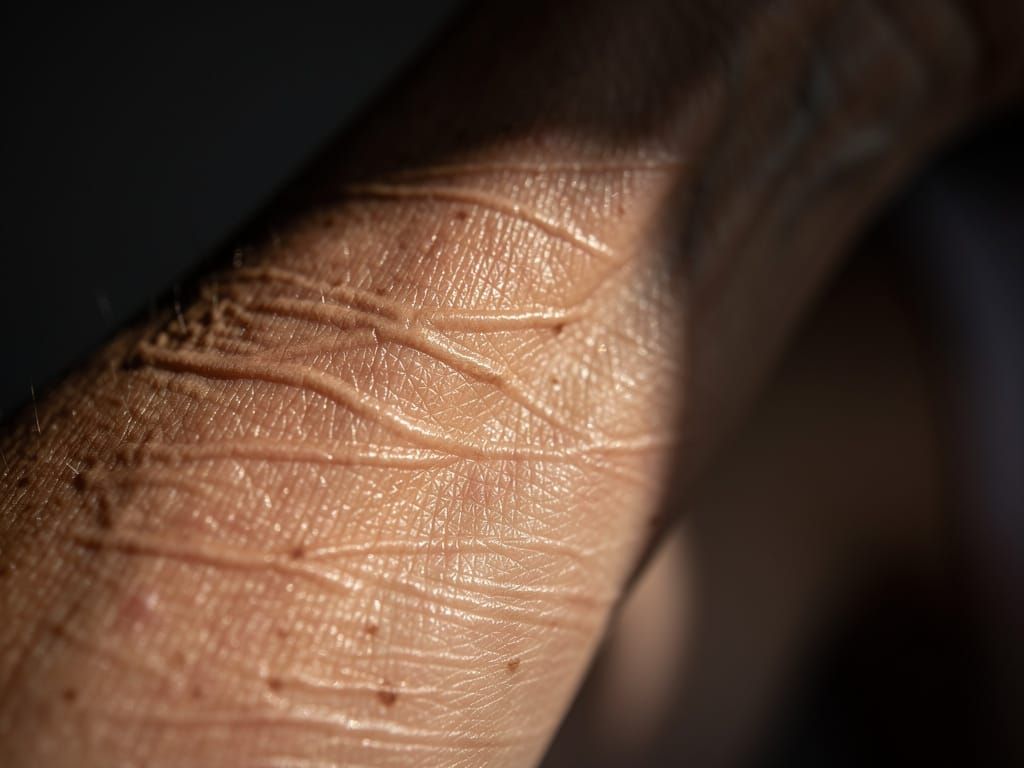
We stand in front of the mirror, gently pulling at the thin, finely wrinkled skin on our inner arms or above our knees. We call it 'crepey,' a texture that reminds us of delicate, crumpled paper. For years, the conversation around this skin concern has orbited two main culprits: sun exposure and the natural decline of collagen and elastin. We diligently apply sunscreen and invest in hydrating lotions, yet for many, the texture persists and deepens. It feels like a puzzle with a missing piece, a story half-told. But what if the most significant factor wasn't something we put on our skin, but something we put in our bodies?
The Story Beyond Sun and Dehydration
While protecting our skin from UV rays and keeping it moisturized are fundamental pillars of skin health, they don't paint the complete picture. They are defensive moves in a much more intricate game. The true narrative unfolds deep within our bodies, at a molecular level, through a process that many have never heard of. This process quietly and persistently undermines the very structure of our skin, turning its supple framework into something brittle and fragile. It's a chemical reaction called glycation, and it’s driven by sugar.

When Sugar Hardens Your Skin's Foundation
Imagine the collagen and elastin in your skin as a network of new, flexible rubber bands. They are resilient, bouncy, and can stretch and return to their original shape with ease. This is what gives youthful skin its firmness and elasticity. Glycation occurs when excess sugar molecules in your bloodstream attach themselves to these protein fibers, much like sticky caramel coating everything it touches. This bonding process creates harmful new molecules known as Advanced Glycation End-products, or AGEs for short.
These AGEs are trouble. They cause the once-flexible collagen and elastin fibers to become stiff, rigid, and cross-linked. Our network of bouncy rubber bands becomes a brittle, tangled web. This internal stiffening is what manifests on the surface as crepey, sagging skin. The very proteins designed to keep our skin smooth and resilient are compromised from the inside out, making the skin more vulnerable to wrinkling and losing its ability to bounce back.
Rethinking Your Plate for Smoother Skin
The source of this internal damage isn't just the obvious spoonful of sugar in your coffee. It comes from a diet high in refined carbohydrates, processed foods, and sugary drinks that cause sharp spikes in blood sugar. Even certain high-heat cooking methods, like grilling and frying, can create AGEs in food that are then absorbed by the body. The solution isn't about waging a war on all sugars but about building a more mindful approach to eating.
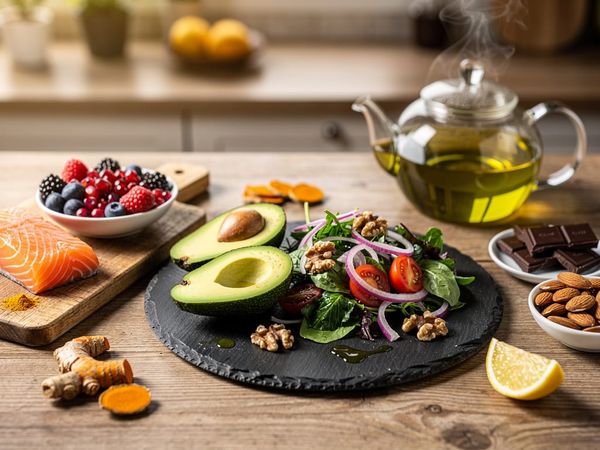
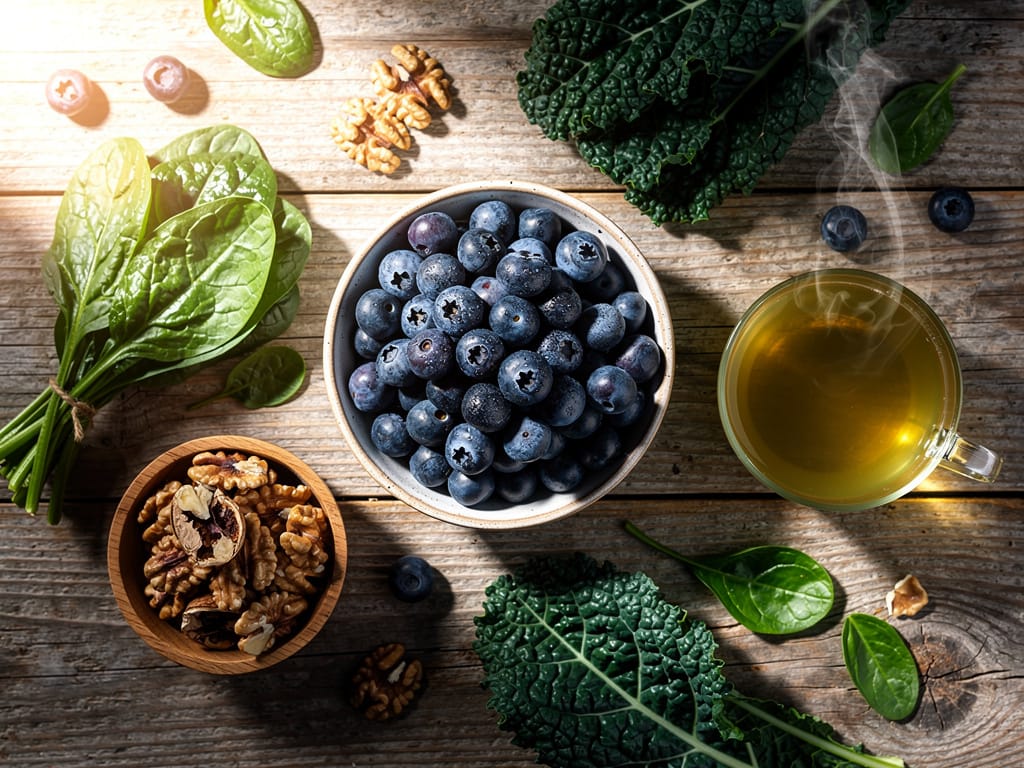
Shifting your focus toward a diet rich in whole foods is the most powerful countermeasure. Foods high in antioxidants, such as berries, leafy greens, nuts, and green tea, can help protect against the damage caused by glycation. By stabilizing blood sugar and providing your body with protective compounds, you are not just nourishing yourself; you are actively defending your skin's structural integrity. It’s a profound realization that the path to smoother, more resilient skin is paved not just with creams and serums, but with the conscious choices we make at every meal.
Ultimately, understanding the role of glycation changes the conversation from one of surface-level fixes to one of deep, foundational wellness. It reveals that the health of our skin is an intimate reflection of our internal environment. By managing our sugar intake and embracing a nutrient-dense diet, we can address a core cause of crepey skin, supporting our body's natural strength and vitality for years to come. For any clinical concerns or before making significant dietary changes, it is always best to consult with a qualified healthcare professional.