The Hidden Cost of Sitting Too Much


The New Smoking Is Sitting
Your chair is not your friend. It’s a silent threat, slowly chipping away at your health.
We treat sitting as a default state. A harmless pause between activities. This is a dangerous mistake.
The human body was designed for movement, not for static, 90-degree angles. Every hour spent sitting has a cost.
Metabolic Mayhem
The moment you sit, your body’s systems downshift. Electrical activity in your leg muscles shuts off. Your calorie-burning rate plummets.
This metabolic slowdown is immediate. It disrupts blood sugar regulation and increases your risk of insulin resistance. Fat storage mechanisms get a green light.
Your daily workout doesn't grant you immunity. An hour at the gym cannot undo the damage from ten hours in a chair.
The Structural Price
Your posture pays a heavy price. Sitting shortens your hip flexors and weakens your glutes. This combination destabilizes your pelvis.
The result? Chronic lower back pain. It’s not a mystery; it’s a direct consequence of muscular imbalance.
Your spine suffers. Slouching puts immense pressure on your spinal discs, leading to premature degeneration. Your shoulders round forward. Your neck cranes toward the screen.
This isn't just poor posture. It's a structural collapse in slow motion.
Brain Drain
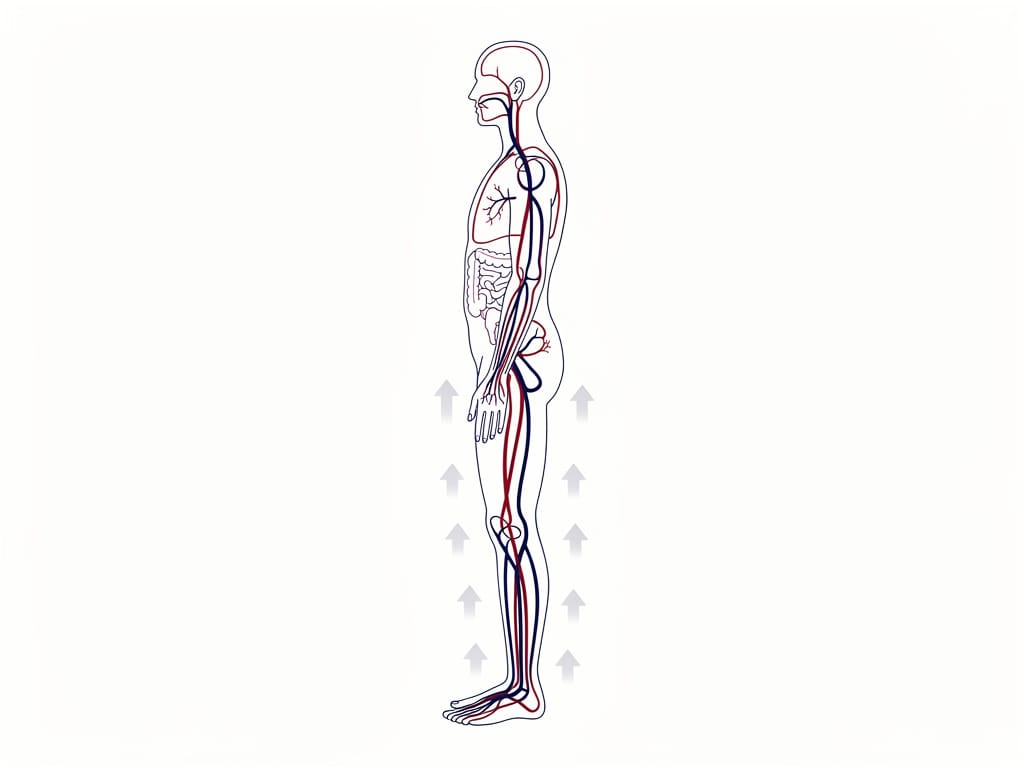
Your brain needs fuel. That fuel is oxygen-rich blood. Sitting restricts blood flow.
When you are sedentary, circulation slows. Less fresh blood reaches your brain, leading to mental fog and reduced concentration.
Movement, on the other hand, boosts blood flow and triggers the release of brain-derived neurotrophic factor (BDNF). This protein supports the health of existing neurons and encourages the growth of new ones.
A stagnant body leads to a stagnant mind.
The Counter-Offensive
You don't need a radical overhaul. You need a new set of defaults. Small, consistent actions are the key.
The goal is to interrupt sitting as often as possible. Weave movement back into the fabric of your day.
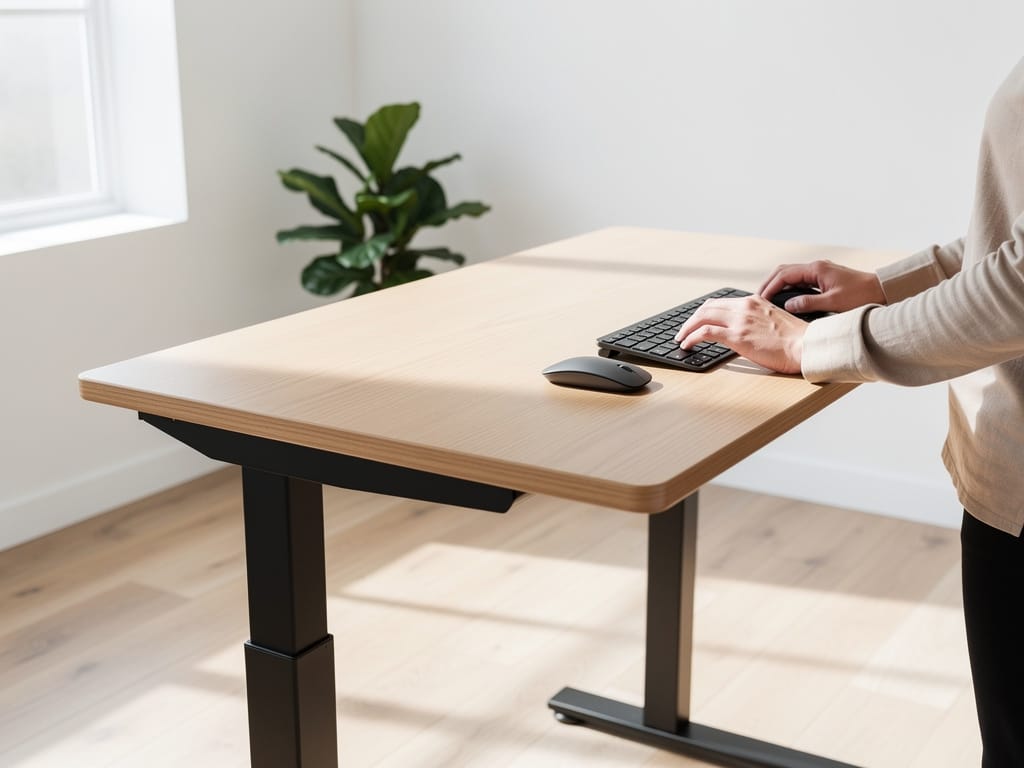
Here is how you start fighting back. This isn't about adding another workout. It's about changing how you exist during the day.
- The Pomodoro Protocol. Work for 25 minutes, then stand and move for 5. Stretch, walk, do some air squats. Set a timer and obey it without question.
- Take Calls on Your Feet. If you're on the phone, you should be walking. Pace your office or walk around your home. Turn phone time into active time.
- Engineer Your Environment. Place your printer across the room. Use a smaller water glass so you have to get up for refills. Create small, necessary reasons to stand.
- Master the Micro-Workout. Waiting for the coffee to brew? Do 10 calf raises. Waiting for a file to download? Do 10 wall push-ups. These tiny bursts add up.
- Rethink Your Commute. Park farther away. Get off the bus one stop early. Take the stairs instead of the elevator. Every single step counts.
Start Now
Don't wait. The cost of inaction is too high. Stand up right now.
The best health optimization strategies are the ones you actually implement. Your longevity depends not on grand gestures, but on the small, smart choices you make every hour.
Movement is the answer. It's that simple.
Disclaimer: The information in this article is for informational purposes only. It is not intended to be a substitute for professional medical advice, diagnosis, or treatment. Always seek the advice of your physician or other qualified health provider with any questions you may have regarding a medical condition.