The Impact of Omega-3s on Skin Health and Age-Related Diseases


Imagine the outer layer of your skin not as a static wall, but as a dynamic, flexible barrier. It's a living shield, constantly repairing itself, retaining moisture, and defending against environmental stressors. This barrier is constructed from lipids - or fats - and the quality of those building blocks determines its strength and resilience. When the right materials are available, the structure is supple and strong. When they are not, it can become compromised, leading to dryness, irritation, and a diminished appearance. This same principle extends deep within our bodies, influencing everything from cognitive function to cardiovascular wellness.
The conversation around healthy aging often circles back to these fundamental building blocks. We're talking about essential fatty acids, specifically omega-3s. These are not fats to be feared; they are fats to be embraced. Our bodies cannot produce them on their own, making them an 'essential' part of our diet. They are integral components of cell membranes throughout the body, affecting the function of cell receptors in these membranes. They provide the starting point for making hormones that regulate blood clotting, contraction and relaxation of artery walls, and inflammation.
Think of omega-3s as the internal moisturizers and protectors for your entire system. For the skin, they help maintain hydration and fortify its natural lipid barrier, which can translate to a smoother, more resilient complexion. But their influence doesn't stop at the surface. These powerful fats are also highly concentrated in the brain and are deeply involved in maintaining cognitive sharpness and supporting a stable mood. Their role in supporting heart health is also well-documented, contributing to the overall architecture of a body that ages gracefully from the inside out.
A Practical Approach to Integrating Omega-3s

Making omega-3s a regular part of your lifestyle doesn't require a complete dietary overhaul. It's about making small, consistent, and intelligent choices. By focusing on whole food sources, you not only get the benefits of these healthy fats but also a symphony of other nutrients that work together. Here is a simple, step-by-step method to begin incorporating more of these foundational nutrients into your daily routine.
- Start with Fatty Fish: Aim to include cold-water fatty fish in your meals a couple of times per week. Options like salmon, mackerel, herring, and sardines are excellent sources. Grilling, baking, or broiling are fantastic preparation methods that preserve their nutritional integrity.
- Explore Plant-Based Sources: You don't have to eat fish to get your omega-3s. Flaxseeds, chia seeds, and walnuts are plant-based powerhouses. A spoonful of ground flaxseed or chia seeds can be easily added to smoothies, oatmeal, or yogurt. A handful of walnuts makes for a perfect afternoon snack.
- Choose Your Oils Wisely: When cooking or making salad dressings, consider the type of oil you use. Oils like flaxseed oil or canola oil contain omega-3s. Note that flaxseed oil is best used for dressings or drizzling over food, as it has a low smoke point and shouldn't be heated.
- Look for Fortified Foods: Some common grocery items, such as certain brands of eggs, yogurt, or milk, are now fortified with omega-3s. Check the labels when you shop to identify these enhanced options and easily add them to your cart.
The Broader Spectrum of Benefits

While radiant skin is a wonderful and visible benefit, the impact of a diet rich in omega-3s extends far beyond aesthetics. These essential fats are systemic players, contributing to the health and function of multiple systems that are directly related to healthy aging. Understanding their roles can provide powerful motivation to make them a non-negotiable part of your wellness strategy. Their influence is a clear example of how targeted nutrition can support long-term vitality.
- Cognitive Support: The brain has a high concentration of fatty acids. A steady supply of omega-3s is connected to supporting memory and overall cognitive performance as we age.
- Cardiovascular Wellness: Omega-3s are widely recognized for their role in maintaining heart health. They contribute to the health of blood vessels and support balanced cardiovascular function.
- Joint Comfort: By helping to manage the body's natural inflammatory response, omega-3s can play a part in maintaining joint health and mobility, keeping you active and comfortable.
- Eye Health: Just like the brain, the retinas have a very high concentration of omega-3s. Adequate intake is important for maintaining healthy vision, especially later in life.
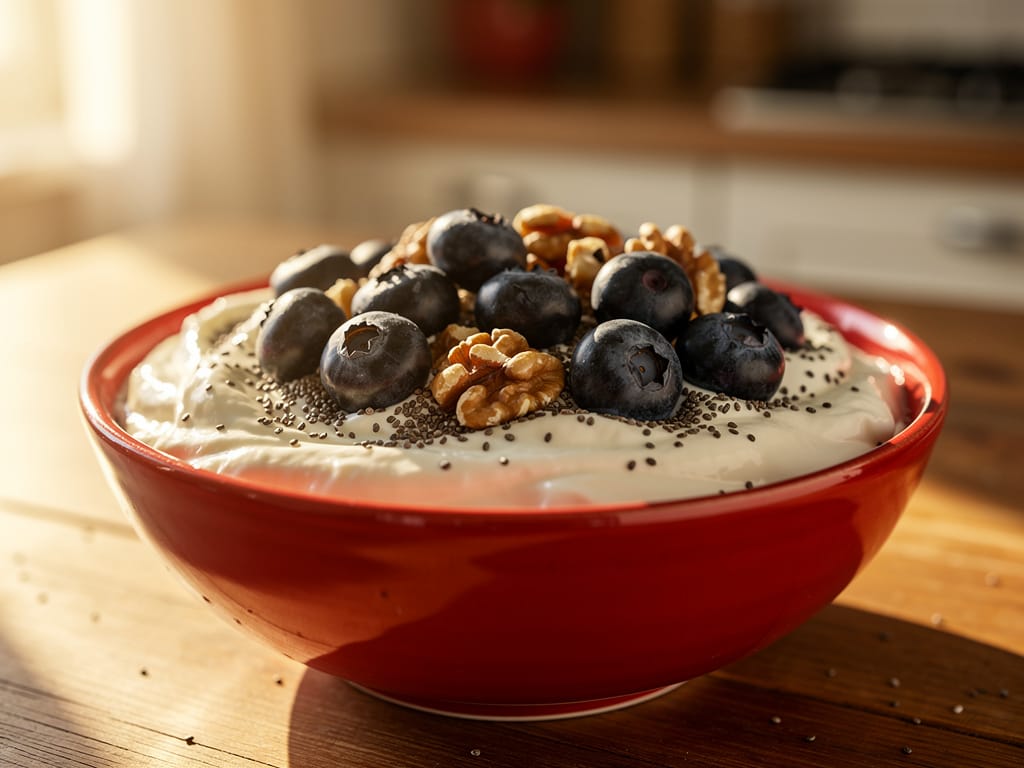
Adopting a diet rich in omega-3s is a proactive strategy for nurturing your body on a cellular level. It’s not about a quick fix but about building a resilient foundation that supports you for years to come. By focusing on whole, nutrient-dense foods, you create a sustainable habit that benefits your skin, your brain, and your entire body, allowing you to feel as good as you look.
It is important to remember that this information is for educational purposes and is not a substitute for professional medical advice. Dietary needs are unique to each individual. Before making any significant changes to your diet or lifestyle, especially if you have underlying health conditions or are taking medication, please consult with a qualified healthcare professional to determine the best approach for you.