The Metabolic Flexibility Switch

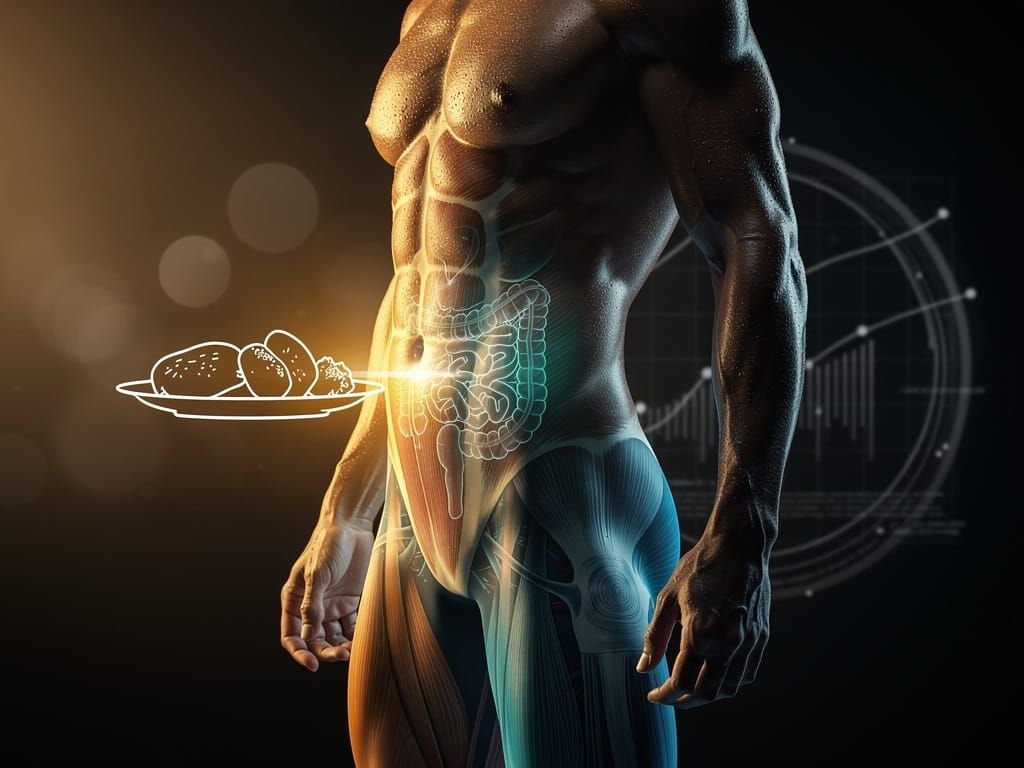
You've probably been told your metabolism is a fixed, stubborn engine that either burns fast or slow. What if I told you that's completely wrong? The real secret to lasting energy and health isn't about speed, but about agility-the ability to switch fuels on demand. It's time to dismantle the popular myths that are keeping your body stuck in first gear.
MYTH #1: You're either a 'carb burner' or a 'fat burner.'

REALITY:
This is a false choice. A healthy, optimized metabolism isn't a single-fuel machine; it's a sophisticated hybrid engine. Metabolic flexibility is the skill of efficiently switching between using carbohydrates (glucose) for quick energy and fats for sustained power. After a meal rich in carbs, your body should use that glucose. When you're fasting or between meals, it should easily tap into your fat stores. The problem arises when your body gets 'stuck' on one fuel source, usually sugar.
When your system relies exclusively on a steady drip of glucose, you're signing up for energy crashes, brain fog, and relentless cravings. This metabolic inflexibility means your body struggles to access its own vast fat reserves, leaving you dependent on your next meal for a pick-me-up. The goal isn't to demonize one fuel but to train your body to be adaptable, seamlessly shifting between sources based on what you need.
MYTH #2: You must eat every few hours to 'stoke the metabolic fire.'

REALITY:
This persistent idea actually works against building a flexible metabolism. Constant snacking and grazing keep your insulin levels consistently elevated, which is a hormonal signal for your body to store energy and burn the sugar that's immediately available from your last meal. Your system never gets a real chance to practice the switch over to burning stored body fat for fuel because it's never given a break.
Giving your digestive system downtime is essential. Periods of not eating, such as the natural fast that occurs overnight, allow insulin levels to fall. This drop is the trigger that prompts your body to look for alternative energy sources. This is the primary training ground for metabolic flexibility, teaching your cells to become highly efficient at mobilizing and using your own fat stores-a far more stable and abundant source of power.
MYTH #3: Intense, long-duration cardio is the key to becoming a fat-burning machine.

REALITY:
While all movement is beneficial, thinking that endless hours on the treadmill are the only answer is a major misunderstanding of how the body works. Overtraining with chronic, high-intensity cardio can increase stress hormones like cortisol. Persistently high cortisol can hinder fat burning and even promote fat storage, particularly around the midsection. This approach can also rev up your appetite, creating a frustrating cycle of exercising hard and then overcompensating with food.
A much smarter strategy involves a balanced mix of different types of movement. Low-intensity activities like brisk walking or cycling are fantastic for encouraging your body to use fat for fuel. At the same time, resistance training is paramount for building lean muscle. More muscle mass increases your overall metabolic rate, meaning you burn more energy around the clock, even at rest. It's this combination of building a bigger engine (muscle) and teaching it to use different fuels that creates true metabolic mastery.
Forget the rigid, outdated rules. True metabolic health isn't about forcing your body into a single 'mode'-it's about restoring its natural, intelligent ability to adapt. By rethinking meal timing, diversifying your movement, and understanding how your body actually uses fuel, you can flip the switch to metabolic flexibility. This creates sustained energy, stable moods, and a powerful foundation for long-term wellness. As always, please consult a qualified healthcare professional before making significant changes to your diet or exercise routine.