The One Organ That Controls How Fast You Age


- The 'organ' controlling your aging speed isn't your heart or brain; it's the trillions of mitochondria inside your cells.
- Mitochondrial dysfunction-a decline in their energy-producing ability-is a primary driver of the aging process, leading to fatigue, inflammation, and cellular damage.
- You can directly support mitochondrial health and potentially slow aging through targeted nutrition, specific types of exercise, and smart lifestyle habits.
- This is not medical advice. Always consult with a qualified healthcare professional for any health concerns or before making significant lifestyle changes.
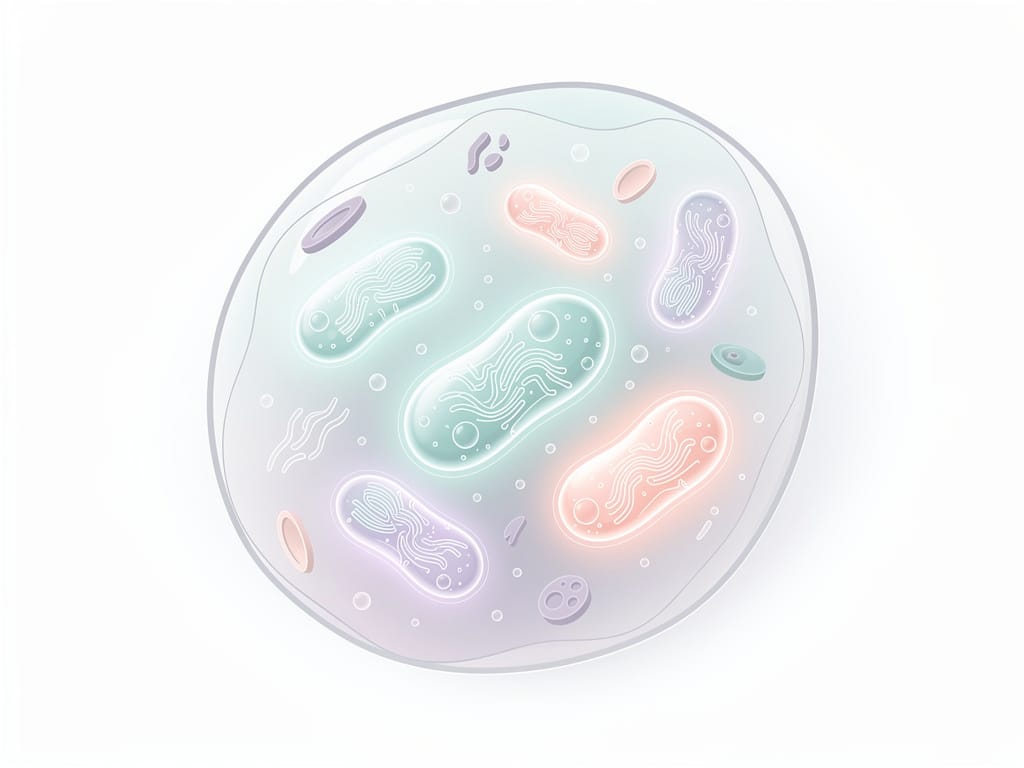
Meet Your Cellular Powerhouses
When you think of organs, your mind probably jumps to the heart, lungs, or liver. But the true engine of your vitality, the one that sets the pace for how you age, is something you have trillions of-your mitochondria. These tiny structures, present in nearly every cell of your body, are often called 'cellular powerhouses'. Their main job is to take the food you eat and the air you breathe and convert them into adenosine triphosphate (ATP), the fundamental energy currency that fuels everything from muscle contractions to brain activity.
Think of your body as a sprawling city. The mitochondria are the power plants, working around the clock to keep the lights on. When they are running efficiently, the city thrives. Your energy levels are high, your cognitive function is sharp, and your cells can repair themselves effectively. But when these power plants start to wear down, the entire grid suffers. This decline in energy production is a hallmark of the aging process, affecting how you look, feel, and function on a daily basis.
When the Power Grid Fails

As we get older, our mitochondria can become less efficient and more damaged. This process, known as mitochondrial dysfunction, is a key factor behind many age-related declines. The energy conversion process naturally produces byproducts called reactive oxygen species (ROS), or free radicals. Healthy mitochondria can manage these, but as they weaken, ROS production can spiral out of control. This creates oxidative stress, a state of imbalance that damages DNA, proteins, and other cellular components.
This cellular damage doesn't just stay at the microscopic level. It manifests as the signs of aging we all recognize: decreased muscle mass, slower metabolism, skin wrinkles, and a general feeling of fatigue. Chronic inflammation, another consequence of a failing power grid, is linked to nearly every major age-related health issue. By focusing on the health of these tiny energy factories, we can address one of the root causes of aging, rather than just managing the symptoms.
Recharging Your Cells: An Action Plan
The good news is that you are not a passive observer in this process. You can actively support your mitochondria and encourage your body to produce new, healthier ones. This isn't about a magic pill; it's about creating an environment where your cells can flourish. Adopting a few consistent habits can make a significant difference in preserving your cellular energy and promoting long-term wellness.
Here is a straightforward, science-backed approach to boosting your mitochondrial function:
- Prioritize Nutrient-Dense Foods: Your mitochondria need specific nutrients to function optimally. Focus on a diet rich in antioxidants (found in colorful fruits and vegetables), healthy fats (like those in avocados, nuts, and olive oil), and quality protein. Key micronutrients for mitochondrial health include B vitamins, magnesium, and Coenzyme Q10.
- Embrace Smart Exercise: Physical activity is one of the most powerful signals you can send to your body to build more mitochondria. High-Intensity Interval Training (HIIT) and resistance training are particularly effective. These forms of exercise create a short-term energy demand that tells your cells, 'We need more power plants!'
- Manage Stress and Prioritize Sleep: Chronic stress floods your body with cortisol, which can directly harm mitochondria. Likewise, deep sleep is when your body performs critical cleanup and repair processes, including clearing out damaged mitochondria. Aim for 7-9 hours of quality sleep per night and incorporate stress-management techniques like meditation or deep breathing into your routine.
Conclusion
While we can't stop the clock, we can influence how it ticks. The rate at which you age is profoundly connected to the health of your cellular powerhouses. By understanding the central role of mitochondria and adopting lifestyle strategies that support them, you can take meaningful steps toward maintaining your energy, sharpness, and overall vitality for years to come. It's a powerful shift from fighting aging to actively building a foundation for a longer, healthier life.