The Rhythm of Your Hydration

We often think of hydration as a simple numbers game-hit a certain quota of ounces or glasses, and you're set. But optimizing your body's performance and supporting healthy aging involves more than just volume. It's about rhythm. Just like sleep and nutrition, your body's hydration needs follow a daily cadence. Understanding this rhythm can transform water from a simple necessity into a powerful tool for enhanced energy, cognitive function, and cellular health.
Instead of chugging water sporadically when you remember, consider a more strategic, timed approach. This method supports your body's natural processes, from morning detoxification to digestive efficiency, without overwhelming your system. Let's break down how to find your flow.
Why Hydration Timing Matters
Distributing your water intake throughout the day is far more effective than drinking large amounts in one or two sittings. Your body can only absorb so much fluid at once; the excess is quickly flushed out by the kidneys. A steady, paced intake ensures water is actually delivered to your cells where it's needed.
The Morning Kickstart
Your body undergoes restorative processes overnight, using up water stores. Waking up in a state of mild dehydration is common. Rehydrating first thing in the morning is a non-negotiable for kickstarting your metabolism and cognitive function.
- Upon Waking: Before coffee or breakfast, aim for 12-16 ounces of room temperature or warm water. This helps rehydrate your system, flush out metabolic waste from the night, and prepare your digestive tract for its first meal.
- Benefits: This simple habit can improve mental clarity, support bowel regularity, and fire up your metabolism for the day ahead.
Pre-Meal Priming

Drinking water strategically around meals can significantly aid digestion and nutrient absorption. It ensures your stomach has the necessary fluid to produce digestive acids without diluting them excessively during the meal itself.
- The 30-Minute Window: Drink a glass of water about 30 minutes before you eat. This primes your digestive system and can also help promote satiety, preventing overeating.
- During Meals: It's fine to sip small amounts of water during your meal if needed, but avoid drinking large quantities. Too much fluid can dilute stomach acid and enzymes, potentially hindering the breakdown of food.
The Evening Taper

While staying hydrated is important, front-loading your water intake can prevent sleep disruptions. Waking up in the middle of the night to use the bathroom fragments your sleep cycle, which is counterproductive to recovery and healthy aging.
- The Cut-Off Point: Try to significantly reduce your fluid intake about 1-2 hours before you plan to go to sleep.
- Listen to Your Body: If you're thirsty, of course, have a few sips of water. The goal isn't to dehydrate yourself, but to avoid drinking a large glass right before bed.
Beyond Plain Water: Expanding Your Hydration Sources
Hydration isn't solely about drinking water. Many foods and other beverages contribute to your daily fluid needs while also providing valuable nutrients, vitamins, and electrolytes-minerals that are essential for proper fluid balance.
Water-Rich Foods
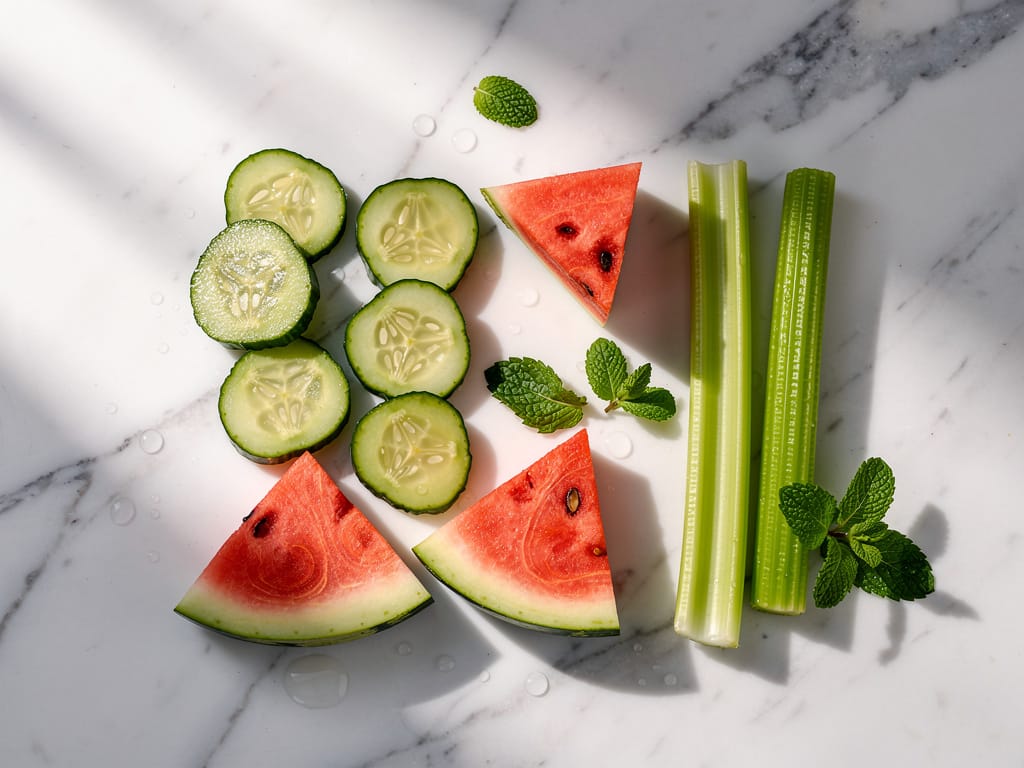
Incorporate produce with high water content into your daily meals. These foods hydrate you while also delivering fiber and antioxidants.
- Top Choices: Cucumber (96% water), celery (95% water), watermelon (92% water), strawberries (91% water), and bell peppers (92% water) are excellent options.
- Soups and Broths: A warm bowl of broth-based soup is a fantastic way to hydrate, especially in colder months. It provides both fluid and electrolytes like sodium and potassium.
Herbal Teas and Infusions
Unsweetened herbal teas can be a great way to add flavor and variety to your hydration routine. Many also offer additional wellness benefits.
- Consider These: Peppermint, chamomile, and ginger teas are naturally caffeine-free and contribute to your daily fluid count.
- Infused Water: Add slices of lemon, cucumber, mint, or berries to your water for a natural flavor boost without any added sugar or artificial ingredients. This can make drinking water more appealing and enjoyable throughout the day.
By shifting your focus from 'how much' to 'how and when,' you can create a hydration rhythm that supports your body's natural cycles. This mindful approach is a simple yet powerful habit for promoting long-term vitality.
Disclaimer: This article is for informational purposes only and does not constitute medical advice. The content is not intended to be a substitute for professional medical advice, diagnosis, or treatment. Always seek the advice of your physician or other qualified health provider with any questions you may have regarding a medical condition.