The Science of Looking Younger Than Your Age

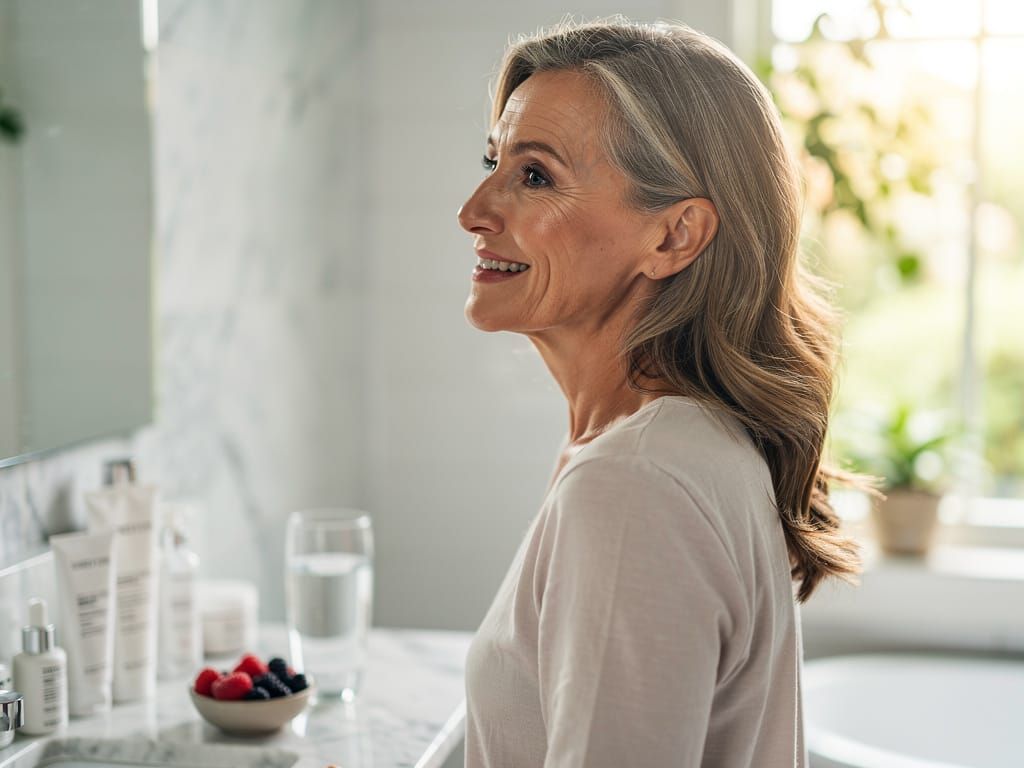
Some people walk into a room and you simply cannot guess their age. They carry a kind of quiet vitality that makes the number on their birth certificate feel almost irrelevant. For a long time, we chalked this up to good genes and left it at that. But the science tells a far more interesting story.
Your Biological Age Is Not Fixed

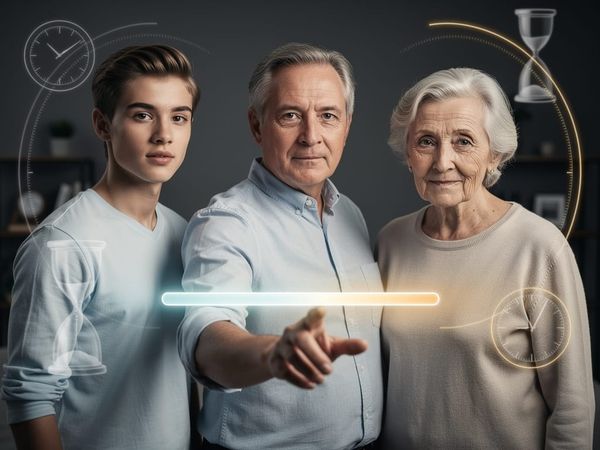
Researchers now draw a sharp line between chronological age - the years you have lived - and biological age, which reflects how your cells, tissues, and organs are actually functioning. These two numbers can diverge significantly, and the gap between them is largely shaped by the choices you make every single day.
At the heart of this is a structure called the telomere. Think of telomeres as the protective caps at the ends of your DNA strands, much like the plastic tips on a shoelace. Every time a cell divides, these caps shorten. When they become too short, the cell stops functioning properly. Shorter telomeres are consistently linked to accelerated aging, while people who appear younger than their age tend to have longer, better-preserved ones.
Here's the remarkable part: lifestyle factors directly influence how fast your telomeres erode.
The Skin Is a Window Into Your Biology
Your skin is not just a surface. It is a living organ that reflects what is happening deep inside your body. The two proteins responsible for keeping skin firm, smooth, and elastic are collagen and elastin. After your mid-20s, collagen production begins a slow but steady decline - roughly 1% per year. By the time visible lines and sagging appear, that loss has been accumulating for years.
Chronic inflammation accelerates this process dramatically. Scientists sometimes call this phenomenon inflammaging - a low-grade, persistent inflammatory state that quietly degrades tissue over time. It shows up in the skin first, but it is happening throughout the body simultaneously.
What drives inflammaging? A diet high in refined sugars and processed oils, poor sleep, chronic psychological stress, and sedentary behavior are among the most well-documented contributors. None of this is abstract theory. These are measurable changes you can see in blood markers and skin biopsies.
What People Who Age Slowly Actually Do Differently
Look at populations with unusually high concentrations of healthy older adults - places like Sardinia, Okinawa, and the Nicoya Peninsula - and a few consistent patterns emerge. These are not people obsessing over supplements or expensive treatments. Their habits are almost disarmingly simple.
Sleep is non-negotiable for them. During deep sleep, the body releases growth hormone, repairs cellular damage, and clears metabolic waste from the brain through the glymphatic system. Consistently cutting sleep short is one of the fastest ways to accelerate visible aging and impair cognitive sharpness.
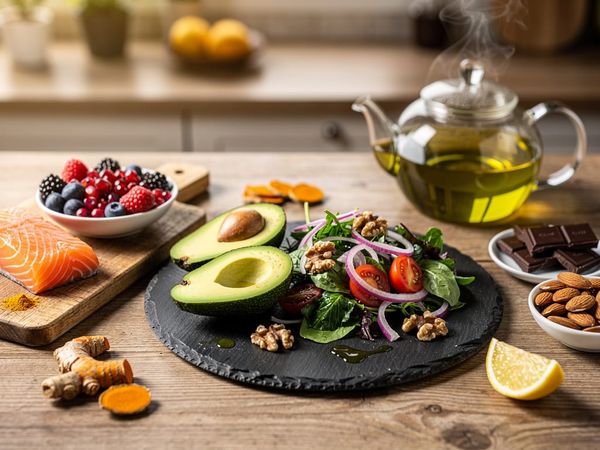
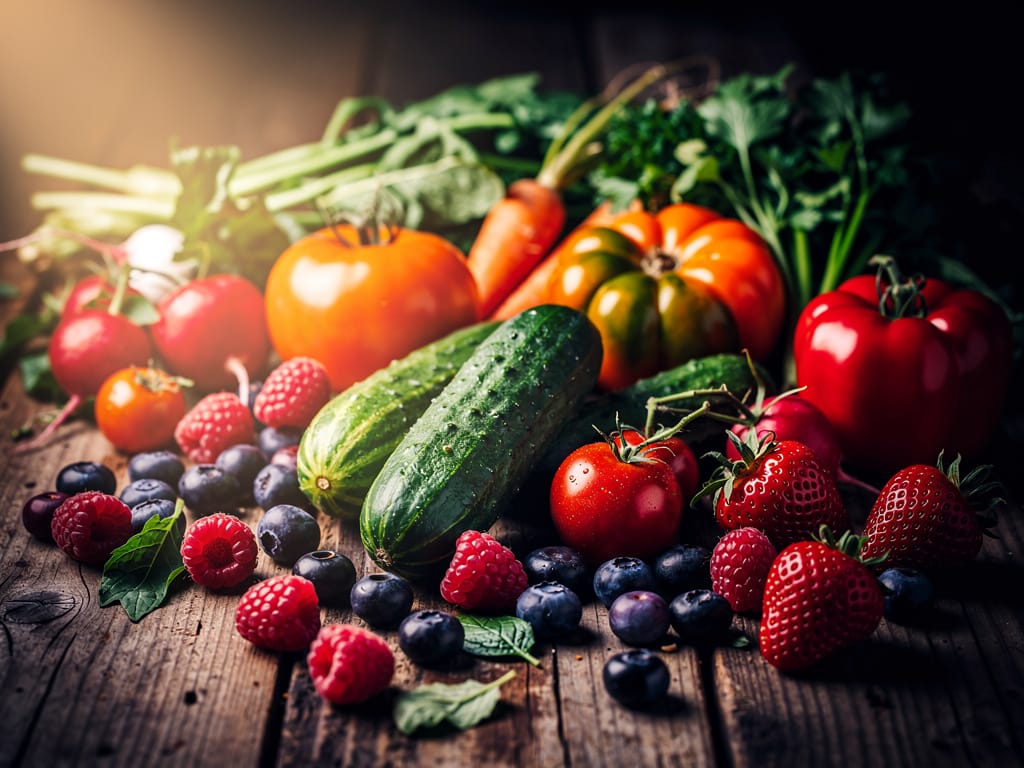
Their diets are rich in polyphenols. Compounds found in berries, olive oil, green tea, and dark leafy vegetables act as natural defenders against oxidative stress - the cellular equivalent of rust. Oxidative stress is a primary driver of both skin aging and internal tissue degradation.
They move consistently, not intensely. The research on moderate, regular physical activity and telomere length is striking. A 2017 study published in Preventive Medicine found that highly active adults had telomeres biologically equivalent to people nearly a decade younger than sedentary peers of the same chronological age.
Stress is managed, not suppressed. Chronic psychological stress elevates cortisol, which breaks down collagen, disrupts sleep architecture, and accelerates telomere shortening. Practices like mindfulness, time in nature, and strong social connection are not soft wellness trends - they have measurable biological effects on aging markers.
The Compounding Effect of Small Habits
Here is what most people miss: none of these factors work in isolation. Sleep improves your body's ability to manage inflammation. Lower inflammation protects collagen. Better collagen supports skin integrity. Reduced stress preserves telomere length. Each habit reinforces the next in a compounding loop that either works for you or against you.
The science of looking younger than your age is not about finding a single magic lever to pull. It is about understanding that your body is keeping score - quietly, continuously, and with remarkable precision. The good news is that the score can change. The habits that protect your biological youth are available to almost anyone, and they tend to make life feel considerably better in the present, not just the future.