The Silent Inflammation Crisis Affecting Millions


Something is quietly burning inside millions of people right now - and they have absolutely no idea. No fever. No swelling you can see. No obvious pain signal screaming for attention. Just a slow, low-grade fire smoldering beneath the surface, day after day, year after year. Scientists call it chronic low-grade inflammation, and researchers increasingly link it to nearly every major age-related condition we fear most.

What Exactly Is This 'Silent' Inflammation?
Here's the thing - inflammation itself is not the enemy. When you cut your finger or catch a cold, your immune system triggers a sharp, targeted inflammatory response to heal the damage. That's the system working perfectly.
The problem starts when that response never fully switches off.
Chronic low-grade inflammation is different. It operates at roughly 2 to 3 times the normal baseline inflammatory activity - not enough to feel acutely sick, but more than enough to quietly accelerate cellular aging, disrupt hormonal signaling, and wear down organ systems over time. Think of it like leaving a car engine running in your garage 24 hours a day. Nothing explodes immediately. But the slow damage compounds relentlessly.
Why Is It So Hard to Detect?

This is where it gets frustrating. Standard annual checkups rarely screen for the specific biomarkers - like C-reactive protein (CRP), interleukin-6, or fibrinogen - that reveal chronic inflammatory activity. Most people only discover it when a downstream condition has already taken hold.
By then, years of silent damage may already be done.
Research published in journals like Nature Medicine and Cell consistently shows that elevated inflammatory markers in midlife are strongly associated with accelerated biological aging - meaning your cells and tissues may be aging faster than your birth certificate suggests.
What Fuels the Fire?

The modern lifestyle is practically designed to keep inflammation elevated. Here's a breakdown of the most well-documented drivers:
- Ultra-processed foods: Refined seed oils, added sugars, and artificial additives trigger inflammatory cytokine production in the gut lining and bloodstream.
- Chronic sleep deprivation: Even one week of sleeping under 6 hours measurably raises CRP and interleukin-6 levels in healthy adults.
- Sedentary behavior: Prolonged sitting - even in otherwise active people - promotes visceral fat accumulation, which acts as an active inflammatory tissue.
- Chronic psychological stress: Sustained cortisol elevation dysregulates immune function and keeps inflammatory pathways switched on.
- Gut microbiome disruption: A depleted or imbalanced gut microbiome allows inflammatory compounds called lipopolysaccharides to leak into the bloodstream - a process researchers call 'metabolic endotoxemia'.
- Environmental toxin exposure: Air pollution, certain plastics, and pesticide residues have measurable pro-inflammatory effects at the cellular level.
Practical Habits That Help Dial It Down

Here's the good news - lifestyle interventions have some of the strongest evidence for reducing chronic inflammatory markers. You don't need a prescription. You need consistency.
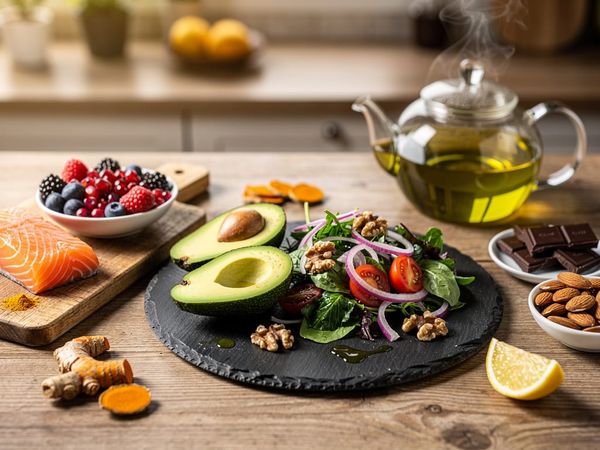
Prioritizing whole, minimally processed foods rich in polyphenols - think berries, leafy greens, extra-virgin olive oil, and fatty fish - directly counters inflammatory signaling pathways. The Mediterranean dietary pattern, in particular, has decades of research showing meaningful reductions in CRP and other inflammatory markers.
Beyond diet, regular moderate-intensity movement (walking, cycling, swimming) has a powerful anti-inflammatory effect when done consistently - 150 minutes per week is the widely cited benchmark from major health research bodies. Sleep quality matters just as much. Protecting 7 to 9 hours of uninterrupted sleep is not a luxury - it's one of the most direct levers you have over your inflammatory biology.
Stress management practices like breathwork, mindfulness, and time in nature have measurable effects on cortisol rhythms and downstream inflammatory activity. Even 10 to 20 minutes of intentional daily practice shows up in the data.
The Bottom Line
Chronic low-grade inflammation is one of the most significant - and most overlooked - factors shaping how fast you age from the inside out. The encouraging reality is that the daily choices you make around food, sleep, movement, and stress are among the most powerful tools available for keeping that internal fire in check. If you have specific concerns about your inflammatory markers or health history, always work directly with a qualified healthcare professional who can guide you with proper testing and clinical context.