The Skin-Aging Factors Nobody Talks About

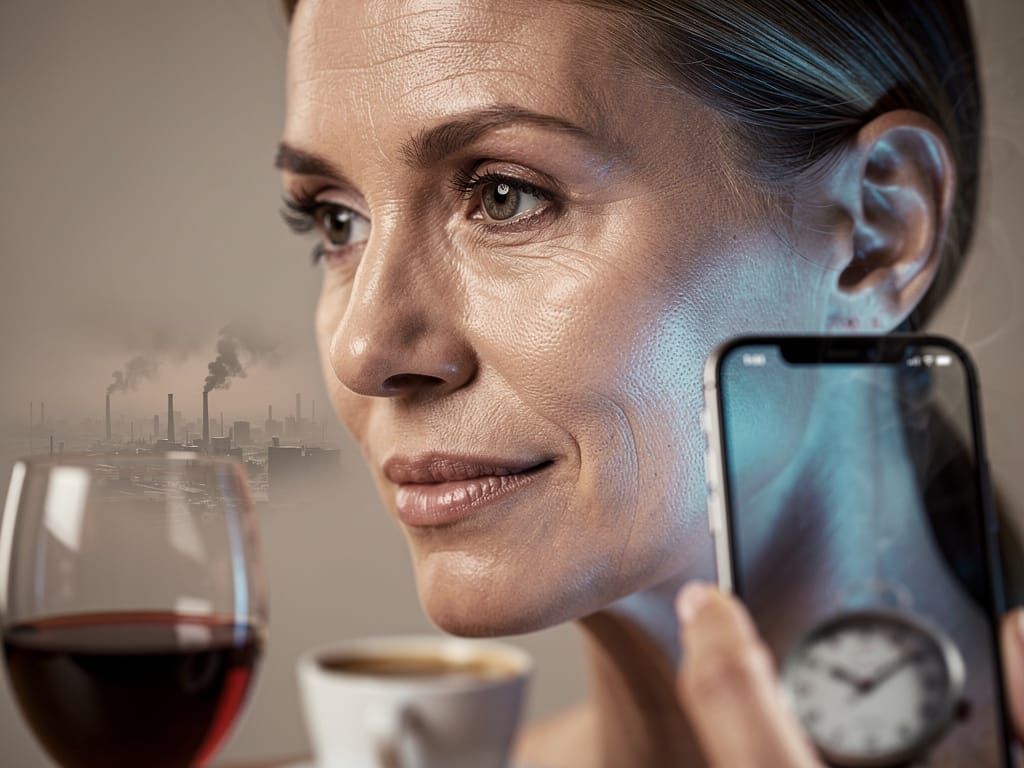
Everyone knows the usual suspects - sun exposure, smoking, sugar. You've heard that lecture a hundred times. But here's the thing: your skin might be aging faster than it should, and the real culprits are hiding in plain sight, completely ignored by mainstream wellness advice.

The Sneaky Everyday Habits Quietly Wrecking Your Skin
Let's start with something almost nobody connects to skin aging: your sleeping position.
Pressing your face into a pillow for seven or eight hours every night creates what dermatologists call sleep lines - compression creases that, over years, become permanently etched into the skin. Unlike expression lines, these form from the outside in. Silk pillowcases reduce friction, but the real fix is training yourself to sleep on your back.
Then there's chronic low-grade dehydration. Not the dramatic kind where you're dizzy and parched - the subtle, everyday kind where you're simply not drinking enough water consistently. Skin cells depend on adequate hydration to maintain their plumpness and barrier integrity. When they're perpetually running on empty, collagen fibers become more brittle and the skin's ability to repair itself slows down noticeably.
Here's the truth: even mild, chronic dehydration accelerates the breakdown of the extracellular matrix - the scaffolding that keeps skin firm and resilient.
The Invisible Stressors Nobody Puts on a Skincare Label

Blue light exposure deserves far more attention than it gets. Research published in peer-reviewed dermatology journals has confirmed that high-energy visible light - the kind streaming from your phone, laptop, and LED lighting - penetrates deeper into the skin than UVB rays. It triggers oxidative stress and can stimulate melanin production, contributing to hyperpigmentation and accelerated collagen degradation.
You're probably not wearing SPF indoors. Most people aren't. But if you're spending eight-plus hours a day in front of screens, that cumulative exposure adds up faster than a beach vacation without sunscreen.
Let's dive deeper into another overlooked factor: the gut-skin axis.
Your gut microbiome directly influences systemic inflammation levels in your body. When the balance of gut bacteria is disrupted - through processed foods, antibiotics, or chronic stress - inflammatory signals circulate through the bloodstream and reach the skin. This low-level, persistent inflammation is now understood to be a primary driver of what researchers call inflammaging - the slow, inflammatory degradation of skin tissue over time.
The Lifestyle Factors Worth Paying Attention To Right Now
Here's a quick breakdown of the underrated skin-aging factors you should start addressing today:
- Repetitive facial expressions - Squinting at screens, furrowing your brow during focus, or constantly looking down at your phone all create targeted muscle tension that deepens lines faster than natural aging alone.
- Fluctuating body weight - Repeated cycles of weight gain and loss stretch and contract skin elastin fibers, gradually reducing their ability to snap back into place.
- Air quality in your home - Indoor air pollution from cleaning products, synthetic fragrances, and poor ventilation generates free radicals that directly damage skin cell membranes.
- Chronic shallow breathing - Stress-driven shallow breathing reduces oxygen delivery to peripheral tissues, including skin cells, slowing cellular turnover and repair.
- Excessive hot showers - Hot water strips the skin's natural lipid barrier more aggressively than most people realize, leaving it vulnerable to moisture loss and environmental damage throughout the day.
- Nutrient deficiencies flying under the radar - Low levels of zinc, vitamin C, and omega-3 fatty acids don't always show obvious symptoms, but they quietly impair collagen synthesis and the skin's antioxidant defense systems.
The pattern here is clear. Skin aging isn't just about what you put on your face - it's about the dozens of small, daily choices that either support or undermine your skin's ability to repair and regenerate itself.
Start paying attention to the factors that don't come with a warning label, and you'll be working with your biology instead of against it.