The Skincare Mistake That Ages People Faster Than Sun Exposure

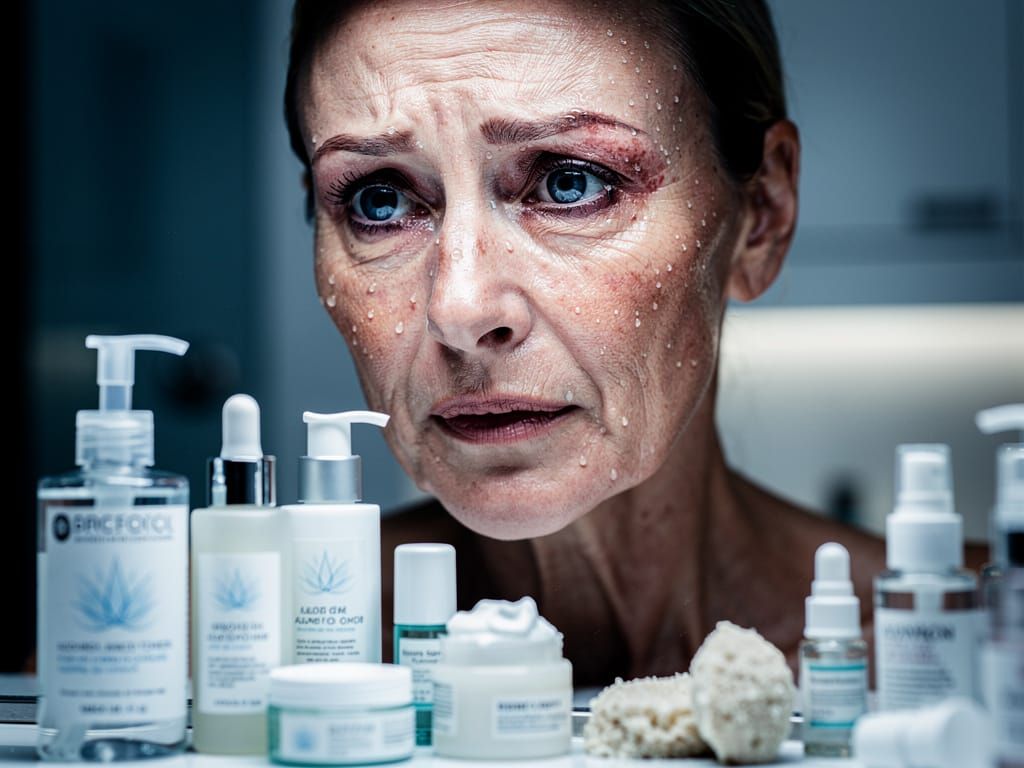
- The most overlooked skincare mistake is consuming excess sugar, which triggers a destructive internal process called glycation.
- Glycation creates harmful molecules (known as AGEs) that attack and stiffen your skin’s collagen and elastin, leading to wrinkles, sagging, and a loss of radiance.
- Over a lifetime, this internal, sugar-fueled damage can accelerate the appearance of aging even more significantly than unprotected sun exposure.
- You can actively combat glycation by managing sugar intake, prioritizing antioxidant-rich whole foods, and adjusting your cooking methods.
The Hidden Culprit in Your Kitchen
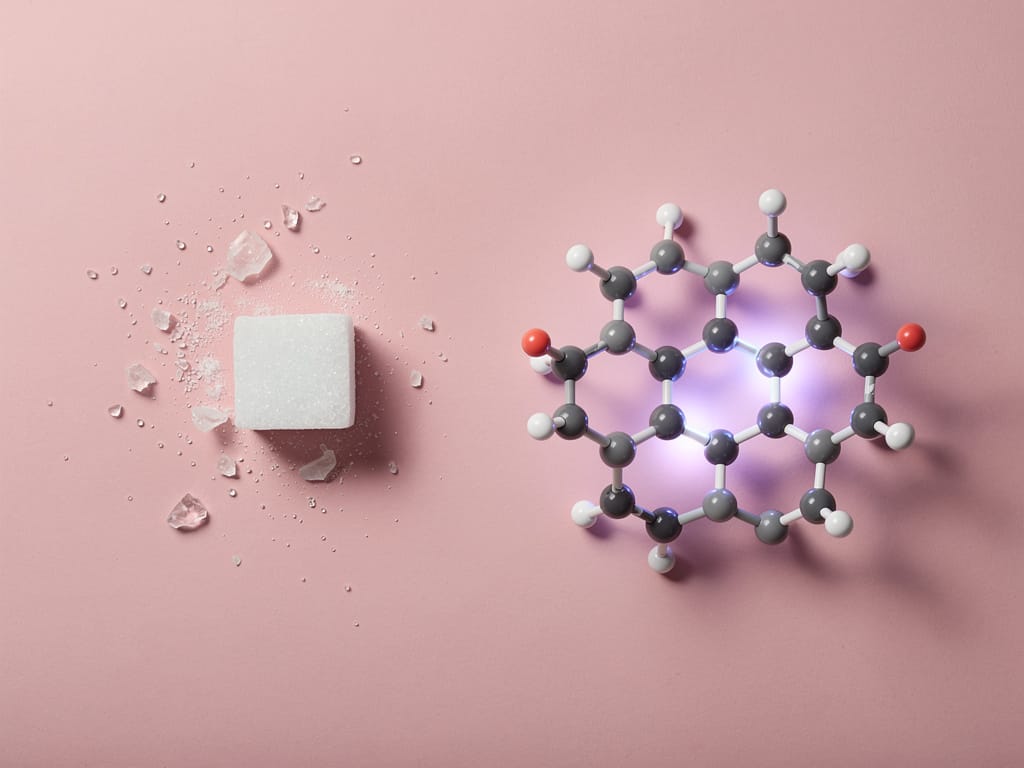
We've been trained to see the sun as public enemy number one for our skin. We diligently apply SPF, seek shade, and wear wide-brimmed hats. But what if a more persistent threat is already inside your home, sitting quietly in your pantry? We are talking about sugar. Beyond its effects on weight and metabolism, sugar initiates a destructive biological process called glycation, a chemical reaction that can silently and systematically dismantle your skin from the inside out.
When you consume sugar or refined carbohydrates, the sugar molecules attach to proteins in your bloodstream, like collagen and elastin. This process forms new, rogue molecules called Advanced Glycation End-products (fittingly abbreviated as AGEs). These AGEs are stiff, malformed, and highly inflammatory. While sun damage is an external assault you can shield against, glycation is a constant internal process, chipping away at your skin’s youthful foundation with every sugary drink, processed snack, or dessert.
How AGEs Deconstruct Your Skin’s Foundation
Imagine your skin’s underlying structure is a brand-new, high-quality mattress-firm, bouncy, and resilient. This structure is maintained by a healthy, flexible network of collagen and elastin fibers. AGEs act like vandals, attaching to these proteins and creating abnormal chemical bridges, or cross-links, between them. This process makes the once-pliable fibers rigid, brittle, and weak. The result? Your skin's 'mattress' loses its supportive bounce and starts to sag.
This internal breakdown directly translates to the visible signs of aging we try so hard to avoid. Collagen damaged by glycation loses its regenerative capacity, accelerating the formation of fine lines and deep-set wrinkles. Your skin becomes less supple, loses its 'snap-back' quality, and can take on a dull, sallow tone. To make matters worse, AGEs can also deactivate your body’s natural antioxidant enzymes, leaving your skin even more vulnerable to damage from other sources, like UV radiation and environmental pollution.
Your Action Plan to Fight Glycation
The best part of this story is that you have a tremendous amount of control over the glycation process. Combating AGEs isn’t about extreme, unsustainable deprivation; it’s about making smarter, more consistent choices that protect your skin's integrity for the long haul. By focusing on your diet and a few key lifestyle habits, you can significantly minimize the formation of these damaging molecules.
Here is a straightforward, science-backed approach to get you started on an anti-glycation lifestyle:
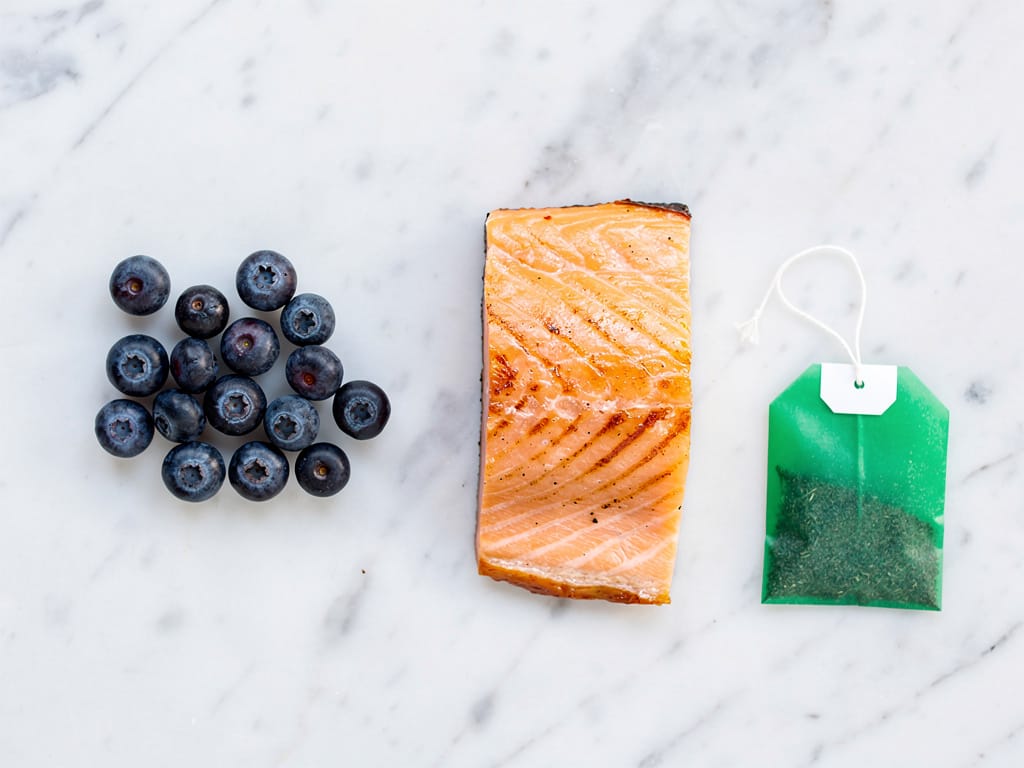
- Master Your Sugars: The first step is to reduce your intake of refined sugars, simple carbohydrates, and high-fructose corn syrup. Become a label detective, as sugar hides in sauces, dressings, and 'healthy' snacks. Swap sugary sodas for infused water and choose whole fruits like berries, which are high in fiber and antioxidants, over candy.
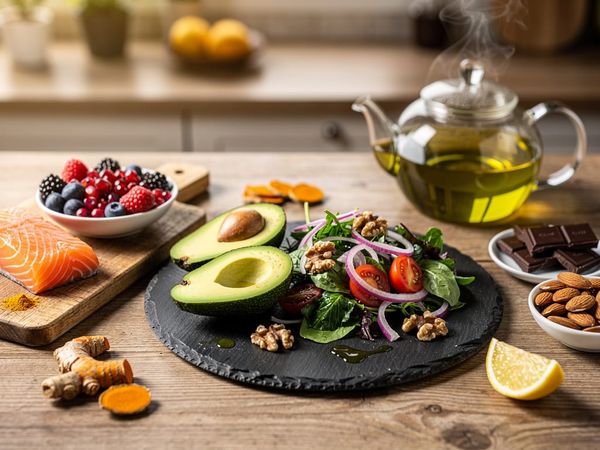
- Load Up on Antioxidants: A diet rich in colorful plants is your best defense. Potent antioxidants and specific compounds like carnosine can help inhibit the formation of AGEs. Fill your plate with leafy greens, bell peppers, broccoli, and herbs like oregano and garlic. Green tea is another excellent source of anti-glycation compounds.
- Rethink Your Cooking: High-temperature cooking methods-such as grilling, frying, and roasting-can create a high level of AGEs in food before you even take a bite. Whenever possible, opt for lower-temperature cooking like steaming, poaching, stewing, or boiling. Marinating foods in acidic liquids like lemon juice or vinegar can also help reduce AGE formation during cooking.
Conclusion
While protecting your skin from the sun is an absolute pillar of any effective anti-aging strategy, it's only addressing half of the equation. The modern battle against premature aging is also fought on your plate and in your kitchen. By understanding and actively managing glycation, you target a fundamental, internal cause of skin degradation. Making mindful dietary choices isn't just a wellness trend-it's one of the most powerful and effective skincare routines you can possibly adopt. For any specific dietary changes or health concerns, be sure to consult with a qualified healthcare professional.