The Sonic Aging Effect

The Physiological Toll of Noise Pollution

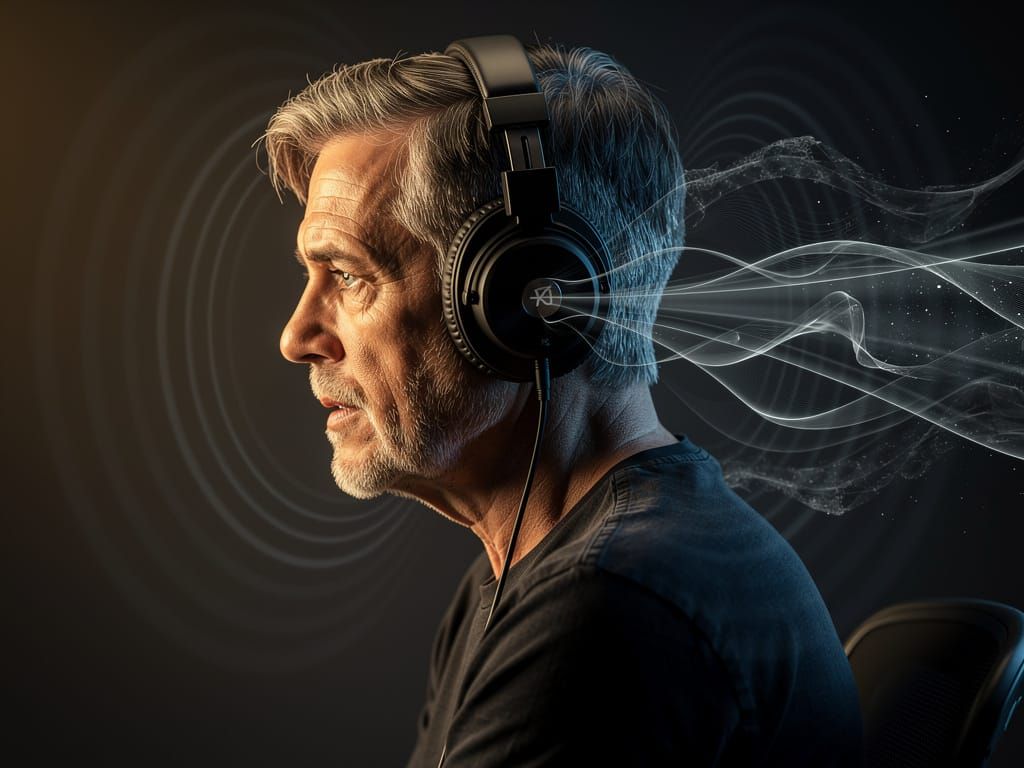
Chronic noise is a biological stressor. Your body does not distinguish between the roar of traffic and a physical threat. The response is identical: a cascade of stress hormones, primarily cortisol. This sustained hormonal activation raises blood pressure, increases heart rate, and promotes systemic inflammation. Each of these factors is a known driver of the aging process, contributing to cardiovascular disease and cellular wear.
The damage extends into your restorative cycles. Quality sleep is non-negotiable for cellular repair, memory consolidation, and hormonal regulation. Noise pollution severely disrupts sleep architecture, preventing deep, restorative stages. Even low-level background noise can trigger micro-arousals, fragmenting your sleep and robbing your body of its essential maintenance period. This nightly deficit of repair compounds over time, directly accelerating physical decline.
Auditory Overload and Cognitive Decline
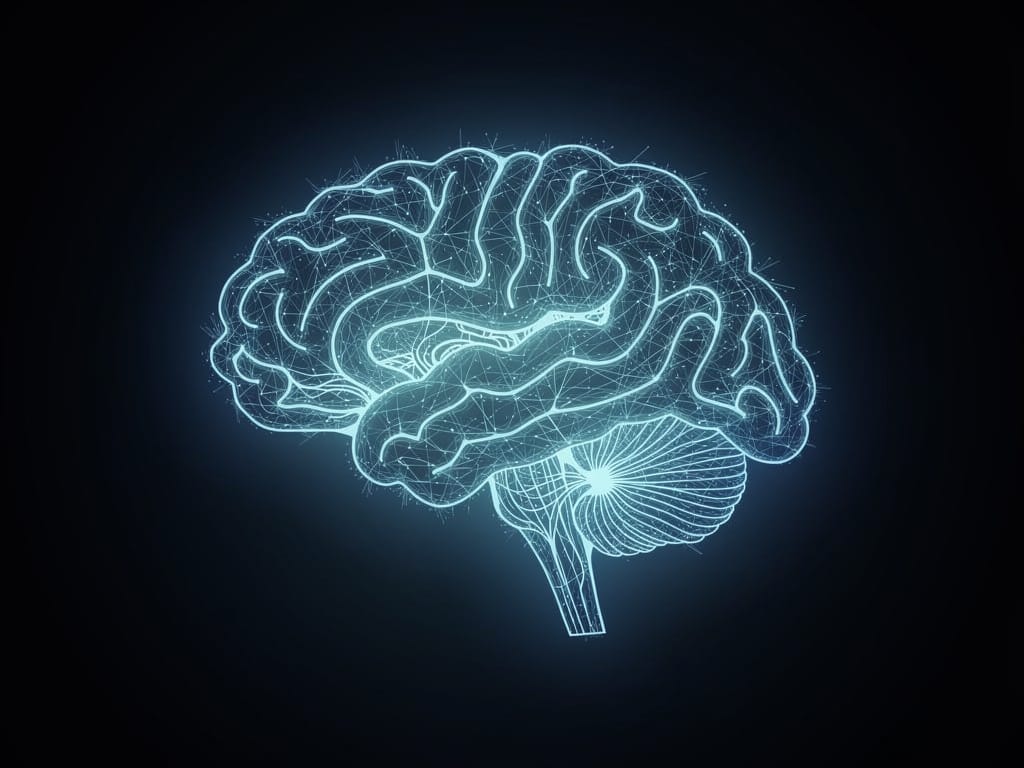
Your brain has a finite processing capacity. A relentless auditory environment forces it into a state of constant filtering, consuming significant cognitive resources simply to maintain focus. This chronic cognitive load leads to mental fatigue, diminished attention spans, and impaired executive function. You are forcing your brain to work harder for baseline performance, which is an unsustainable energy expenditure over the long term.
The connection between auditory health and brain health is profound. Studies increasingly link long-term exposure to environmental noise with an elevated risk for cognitive decline and neurodegenerative conditions. The constant neural activation and stress response may contribute to the pathological processes underlying these diseases. Protecting your hearing and curating a calmer sonic environment is a direct investment in your future cognitive resilience.
Engineering a Pro-Longevity Soundscape

You must actively manage your auditory input. This is not a passive process. It requires deliberate action to mitigate harmful noise and introduce beneficial sounds. The goal is to shift your nervous system from a state of high-alert sympathetic dominance to a restorative parasympathetic state. This control is fundamental to slowing the aging process.
Strategic Silence
Incorporate periods of intentional silence into your day. This is an active practice, not merely the absence of noise. Use noise-canceling headphones during focused work or commutes to create a personal sanctuary. Designate a specific room or corner of your home as a no-noise zone for reading or meditation. Giving your auditory system regular breaks allows your brain and body to down-regulate, lowering cortisol and reducing the physiological burden of constant sound processing.
Curating Beneficial Sounds
Replace chaotic noise with restorative soundscapes. The sounds of nature, such as rainfall, flowing water, or birdsong, are particularly effective at lowering stress markers. These complex, non-threatening sounds have been shown to reduce heart rate and promote feelings of calm. Use sound machines or applications that play high-quality nature recordings to mask disruptive ambient noise and create a more tranquil atmosphere in your home or office.
Auditory Environment Control
Modify your physical space to reduce noise intrusion. Soft materials absorb sound effectively. Introduce heavy curtains, area rugs, and upholstered furniture to dampen echoes and external noise. When purchasing new appliances, prioritize models with lower decibel ratings. Establishing clear expectations about noise levels with those you live or work with is also a form of environmental control that protects your long-term health.
Your auditory environment is a powerful lever for influencing your rate of aging.
The information provided in this article is for educational purposes only and is not intended as a substitute for professional medical advice, diagnosis, or treatment. Always seek the advice of your physician or other qualified health provider with any questions you may have regarding a medical condition.