The Sugar-Face Effect: How Glycation Ages Skin

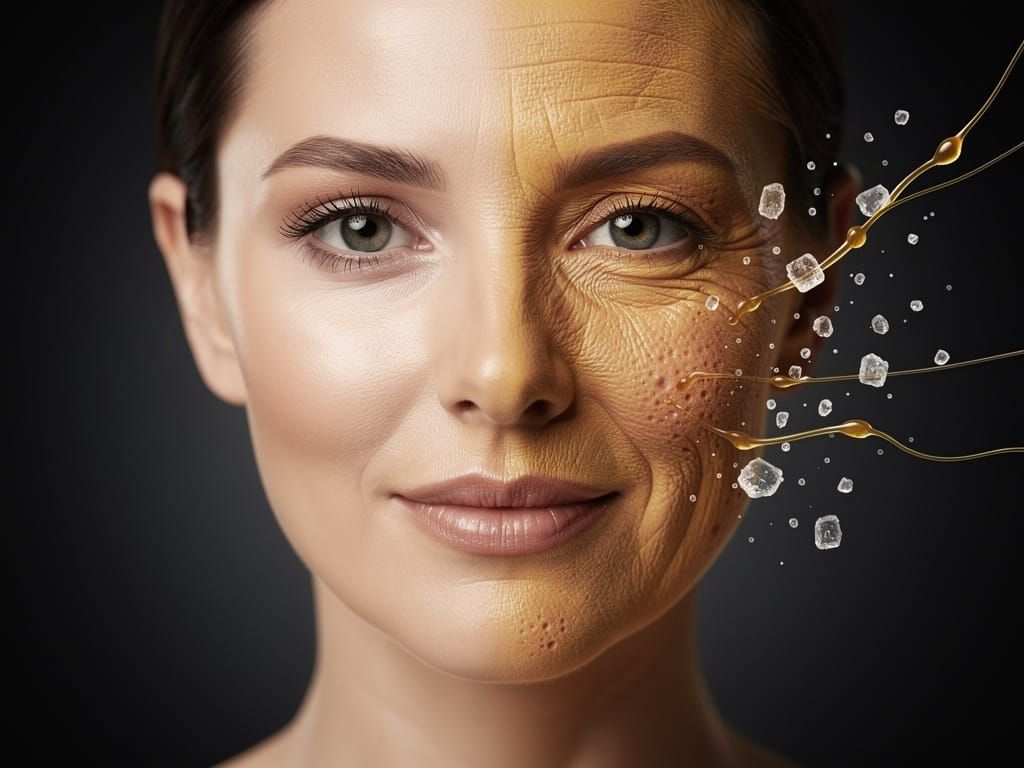
Hey there. Let's be honest, we all love a sweet treat now and then, and there’s absolutely nothing wrong with that. But have you ever wondered if that daily donut or extra spoon of sugar in your coffee could be doing more than just satisfying a craving? It turns out that when it comes to our skin, too much sugar can kickstart a sneaky process called glycation, which is a big-time contributor to premature aging.
What Exactly Is Glycation?
Okay, let's break this down without getting too bogged down in the science. Imagine sugar molecules floating around in your bloodstream after you've eaten something sweet. Glycation is what happens when these sugar molecules get a little too friendly and attach themselves to proteins, like the collagen and elastin that give your skin its youthful bounce and structure.
This attachment creates harmful new molecules called Advanced Glycation End-products, or AGEs for short-a fitting acronym, don't you think? These AGEs are bad news for your skin because they make your once-flexible collagen and elastin fibers become stiff, brittle, and weak. Think of it like a soft, flexible rubber band that's been left out in the sun for too long; it gets hard, cracks, and loses its snap.
Over time, the accumulation of these AGEs leads to some of the classic signs of aging that we all want to keep at bay. The skin’s supportive structure gets compromised, which can result in visible changes like fine lines, wrinkles, and a general loss of firmness. It’s a slow-and-steady process that happens from the inside out, directly linked to the sugar we consume.
Spotting the Signs of 'Sugar Face'
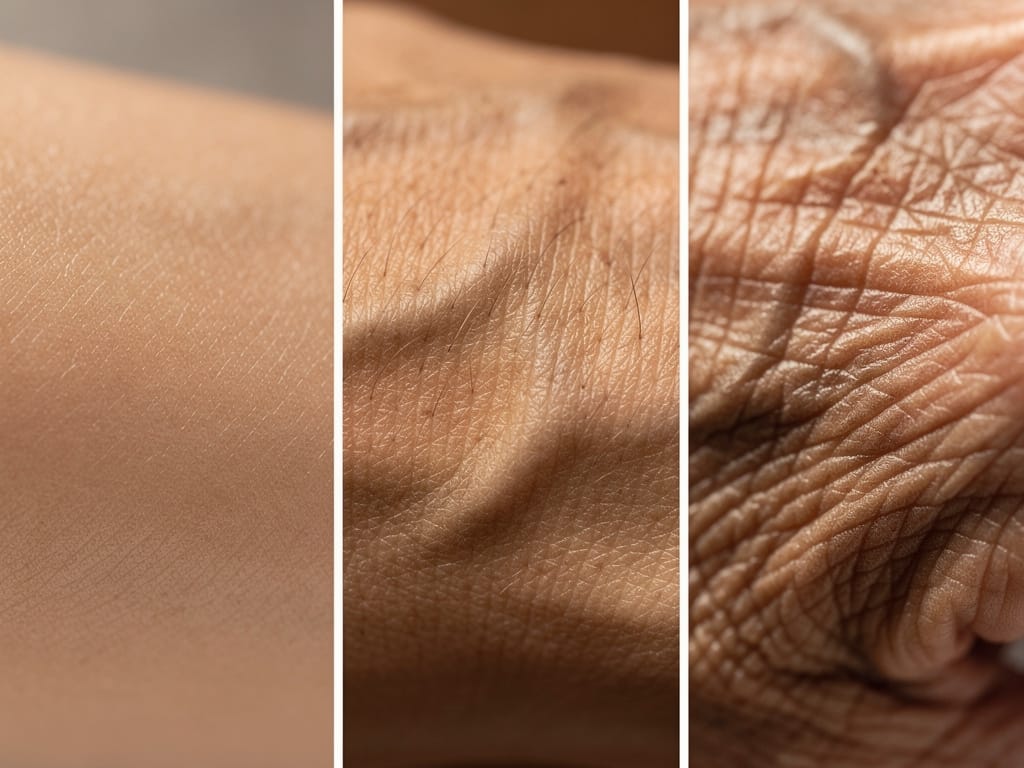
So, what does this 'sugar face' actually look like? One of the first things you might notice is that fine lines and wrinkles, especially those 'cross-hatch' lines, start to look more pronounced and defined. The skin loses some of its plumpness, and its underlying support system just isn't as robust as it used to be.
Another tell-tale sign is a loss of elasticity and firmness. You might notice your skin doesn't 'snap back' quite as quickly as it once did, and it can start to look a little saggy or slack. This happens because the glycated fibers can no longer effectively support the skin's structure, leading to a visible droopiness over time.
Finally, glycation can interfere with your skin's natural antioxidant defenses, leaving it more vulnerable to damage from things like UV rays and pollution. This can lead to a dull, sallow complexion and even make dark circles under the eyes appear more prominent. It’s not just about wrinkles; it’s about that overall loss of radiance and vitality.
Three Simple Ways to Fight Back
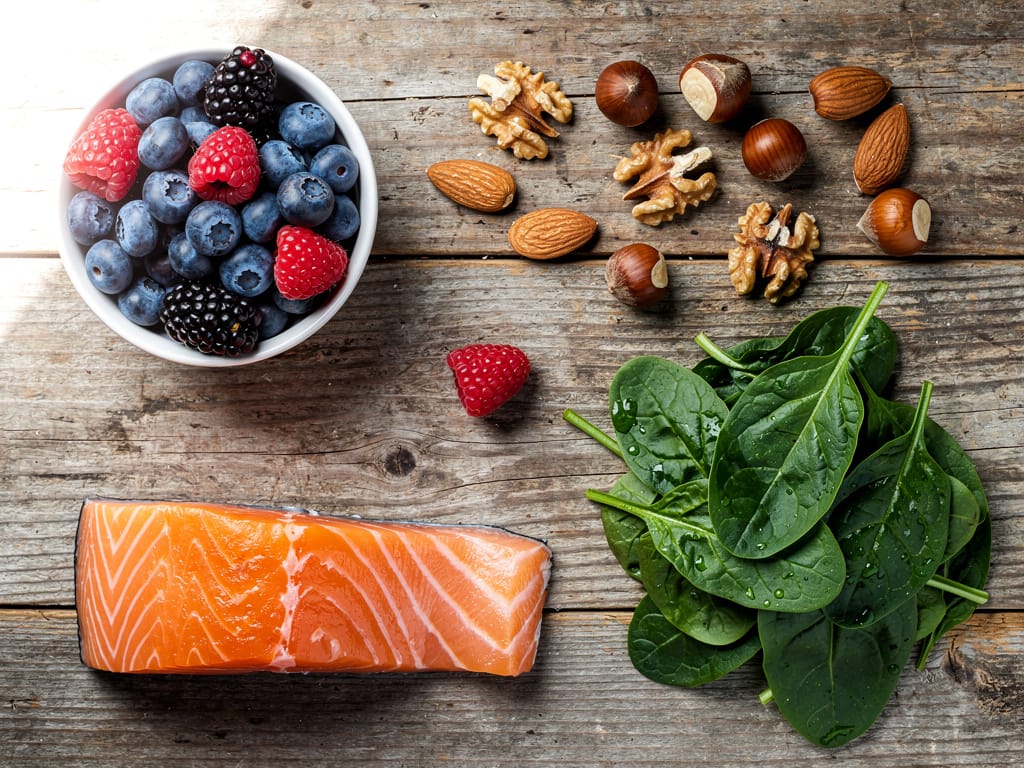
The good news is you're not powerless here, and you don't have to give up everything you love. It’s all about making smarter, more mindful choices. Start by swapping high-glycemic foods (like white bread, sugary drinks, and pastries) for low-glycemic options like berries, leafy greens, lean proteins, and healthy fats that won’t cause such a dramatic spike in your blood sugar.
How you cook your food matters, too. High-temperature cooking methods like grilling, frying, and roasting can actually create AGEs in the food itself before you even eat it. Try to incorporate more gentle cooking methods like steaming, poaching, or stewing, which help preserve the integrity of the food and reduce your intake of these damaging compounds.
Lastly, don't forget the power of a holistic lifestyle in managing this process. Getting enough quality sleep, staying hydrated, and incorporating regular movement into your day can all help regulate your body's blood sugar levels and support its natural repair mechanisms. Of course, for any significant dietary changes or health concerns, it's always best to have a chat with a qualified healthcare professional who can give you personalized advice.
Your Key Takeaways
- Glycation is a natural process where sugar molecules bind to and stiffen the collagen and elastin fibers in your skin.
- This process can lead to visible signs of aging, including deeper wrinkles, loss of firmness, and a dull complexion.
- You can help manage the effects of glycation by making smart food swaps, using gentle cooking methods, and embracing a balanced lifestyle.