The Things People Who Age Well Never Do


Some people hit 60 and look 45. Others hit 45 and look 60. The gap between them is rarely genetics - it's habits.
Specifically, it's the habits they refuse to keep.
Here's what the research consistently shows: people who age gracefully aren't doing some secret ritual. They're just ruthlessly avoiding the things that quietly accelerate the clock.
The Habits That Age You Faster Than Anything Else
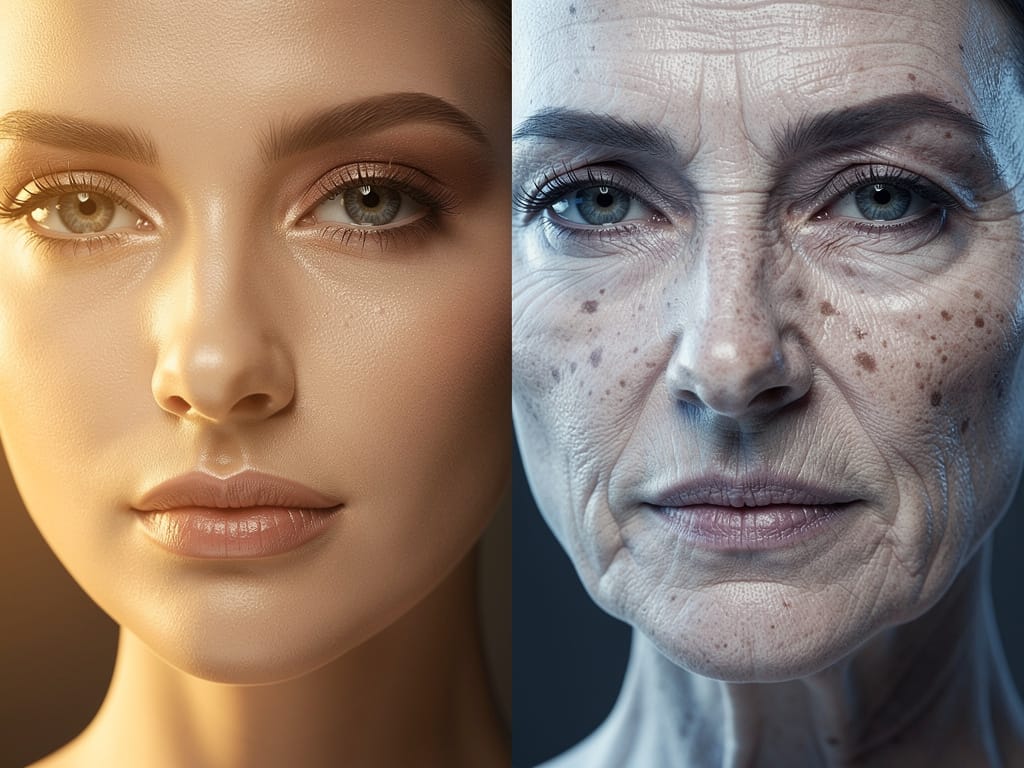
Let's get into it. These aren't shocking revelations - but most people are still doing them every single day.
- Skipping sleep consistently - chronic sleep deprivation spikes cortisol, breaks down collagen, and impairs cellular repair. It's one of the fastest routes to premature aging.
- Living in a state of chronic stress - sustained psychological stress shortens telomeres, the protective caps on your DNA that directly influence how fast you age at a cellular level.
- Sitting for hours without movement breaks - sedentary behavior is linked to accelerated biological aging, independent of whether you exercise at the gym later.
- Eating ultra-processed foods daily - the inflammation triggered by these foods degrades skin, joints, and cognitive function over time.
- Isolating socially - loneliness is now recognized as a significant risk factor for accelerated physical and cognitive decline.
That list isn't exhaustive. But it covers the big ones that show up again and again in longevity research.
They Never Treat Their Body Like It Can Wait
Here's the truth: people who age well operate with a quiet urgency. Not anxiety - urgency.
They don't say "I'll start eating better next month." They don't treat sleep like a luxury they'll catch up on eventually. They understand, on a deep level, that the body keeps score - and it starts keeping it early.
The science backs this up. A 2023 study published in Nature Aging identified that biological aging doesn't progress at a steady pace. There are distinct acceleration windows - and the choices made in your 30s and 40s heavily influence how those windows play out.
Waiting is the enemy of aging well.
They Never Neglect Their Mental Landscape

This one gets underestimated constantly.
People who age well are not people who have stress-free lives. They're people who have developed real, practiced tools for processing stress - whether that's breathwork, time in nature, movement, or consistent social connection.
Chronic psychological stress doesn't just affect your mood. It drives systemic inflammation, disrupts hormonal balance, and accelerates cellular aging in measurable ways. The mind-body connection here isn't soft science - it's documented biology.
Ignoring mental health while optimizing nutrition and exercise is like polishing one side of a window. You're still only getting half the view.
They Never Stop Moving - Or Learning
Physical movement and cognitive stimulation are two of the most well-supported pillars of healthy aging. And people who age well treat both as non-negotiable.
They walk. They lift. They stretch. They pick up new skills, stay curious, and keep their brains actively engaged with new information and challenges. This isn't about being an athlete or an academic - it's about refusing to coast.
Coasting is comfortable. But comfort, over time, accelerates decline.
The Real Pattern
When you zoom out and look at the people who genuinely age well - the ones who are sharp, energetic, and physically capable well into their later decades - a clear pattern emerges.
They're not doing anything magical. They're just not doing the things that quietly erode health over time. No chronic sleep debt. No unchecked stress. No prolonged stillness. No daily diet of inflammatory foods. No social withdrawal.
The absence of those habits creates the space for something remarkable to grow in their place - resilience, vitality, and a body that keeps showing up for the life you want to live.
That's not luck. That's a long series of quiet, consistent choices made when no one was watching.
And it starts with knowing exactly what not to do.