Toggling Your Body's Master Switches for Longevity

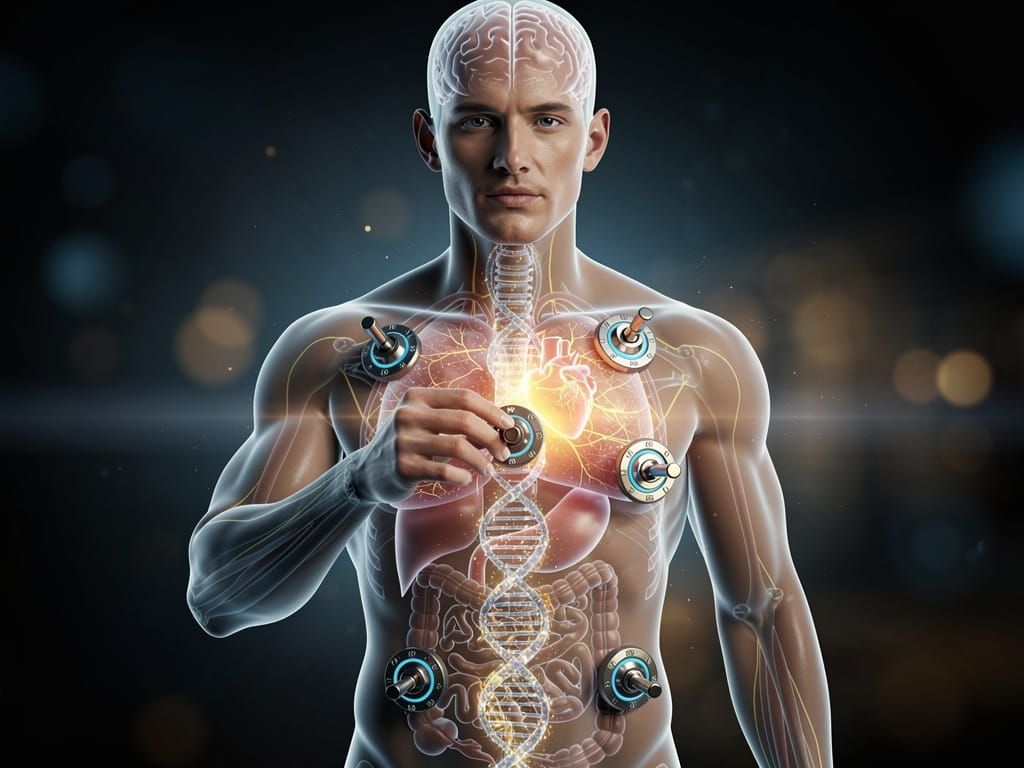
Just 12% of American adults are considered metabolically healthy, a staggering statistic that highlights a growing gap between lifespan and healthspan. While we can't stop the clock, a growing body of research shows we can influence how we age at a cellular level. Deep within our cells are ancient, powerful pathways that act as master switches, controlling everything from energy use to DNA repair. By understanding how to toggle them through daily habits, we can work towards a longer, more vibrant life. This isn't about finding a magic bullet; it's about using data-backed lifestyle changes to speak your cells' native language.
The AMPK Pathway: Your Cellular Energy Sensor
Think of AMP-activated protein kinase (AMPK) as your body's internal fuel gauge. When cellular energy is low, AMPK switches on, triggering processes that generate more energy and burn stored fuel. It’s a fundamental survival mechanism that modern lifestyles often leave dormant. High-intensity exercise is one of the most effective ways to flip this switch. Studies show that a single session of interval training can increase AMPK activation in muscle tissue by more than 200%, signaling your body to become more efficient at using energy and managing blood sugar. This isn’t just about burning calories; it’s about sending a powerful message to your entire metabolic system.
Sirtuins: The Guardians of Your Genome
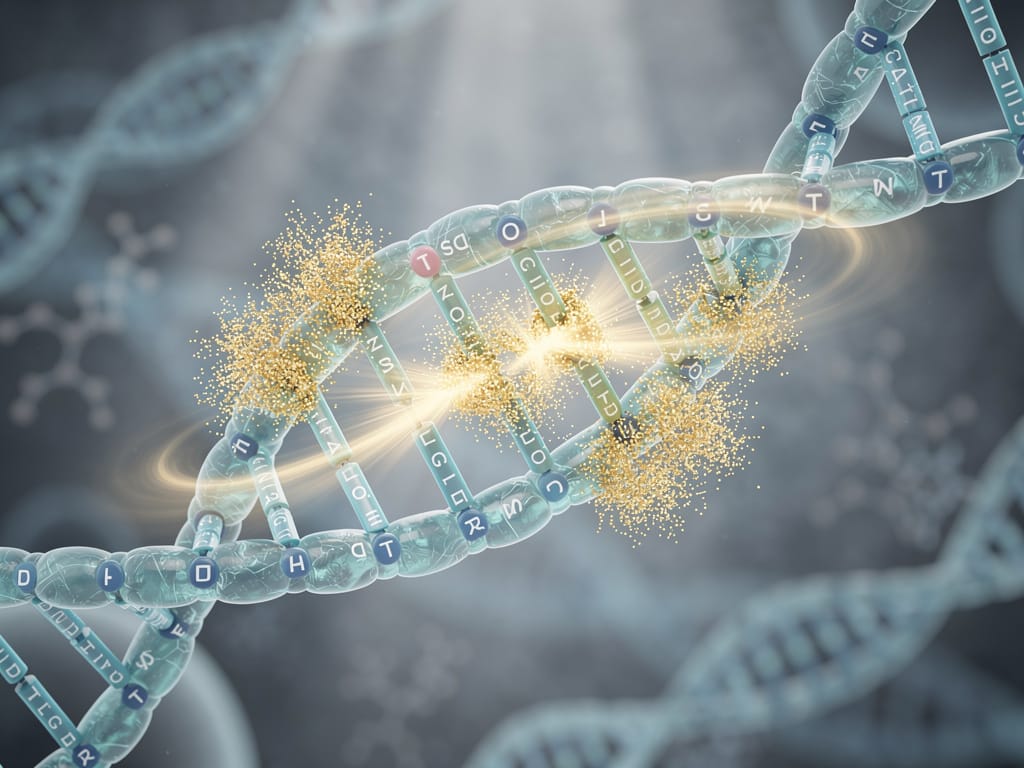
If AMPK is the fuel gauge, sirtuins are the master mechanics, a family of seven proteins that protect your DNA from damage and decay. They are essential for maintaining genomic stability, which is a cornerstone of healthy aging. Their activity is closely linked to energy availability; in fact, research in organisms from yeast to primates shows that caloric restriction can extend lifespan, a process in which sirtuins play a leading role. In some lab models, activating a key sirtuin called SIRT1 has been shown to extend lifespan by up to 30%. While prolonged caloric restriction is challenging, certain dietary patterns that include polyphenol-rich foods like berries, onions, and green tea can help support healthy sirtuin function.
Autophagy: The Ultimate Cellular Cleanup Crew
Your body has a built-in quality control and recycling program called autophagy (from the Greek for 'self-eating'). This process clears out old, damaged cellular components, turning waste into fuel and making way for new, healthy cells. It's a critical housekeeping function that declines with age. One of the most potent activators of autophagy is intermittent fasting. Research indicates that the process begins to ramp up significantly after 12 to 16 hours of fasting, as the body shifts from using external fuel to cleaning house and recycling its own resources. Enhancing this natural cleanup process is a key strategy for promoting long-term cellular resilience.
Data-Driven Habits for Cellular Health
Activating these pathways doesn't require extreme measures. It's about consistent, intelligent choices informed by science. The data points to a few key lifestyle habits:
- Exercise Intensity: High-intensity interval training (HIIT) has been found to be particularly effective, with some studies showing it can boost mitochondrial capacity-a measure of cellular energy production-by over 60% in older adults after 12 weeks.
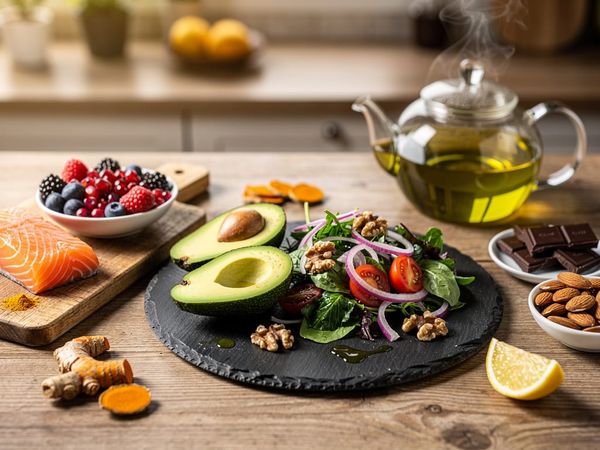
- Strategic Nutrition: Certain plant compounds, like those found in turmeric and red grapes, are studied for their ability to influence sirtuin pathways in laboratory settings. A diet rich in a diverse array of colorful plants provides the building blocks for cellular health.
- Fasting Schedules: Studies on time-restricted eating show that even a modest fasting window can have benefits. A 2019 study found that a fasting period of 14 hours was sufficient to improve key metabolic markers in participants.
- Prioritizing Sleep: During deep sleep, the brain's glymphatic system activity increases by 60%, a process that clears out metabolic byproducts and is essential for neuronal health and repair.
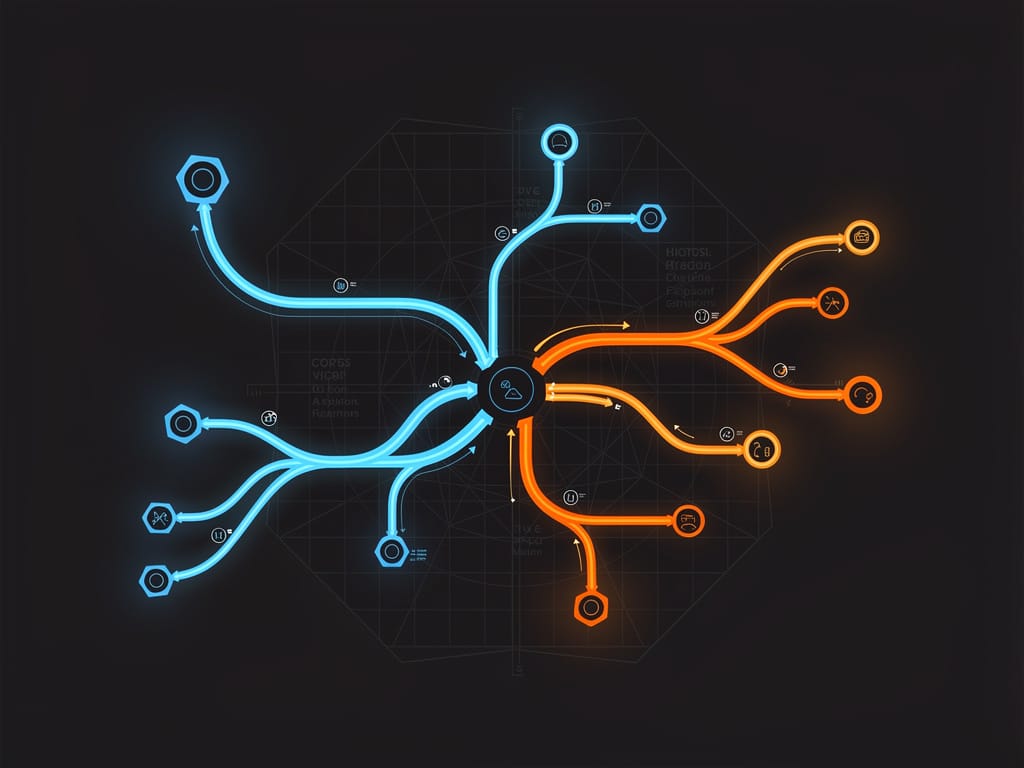
These master switches-AMPK, sirtuins, and autophagy-are not isolated systems. They form an intricate, interconnected network that communicates constantly about your body's status and needs. Activating one often influences the others, creating a positive feedback loop that supports overall healthspan. The 'toggle' isn't a single action but the sum of your daily habits. The food you eat, the way you move, and the rest you get are all signals that instruct these powerful pathways to either protect and repair or to stand down.
The most practical takeaway is to focus on consistency over intensity. Incorporate regular, vigorous movement that challenges your body. Adopt an eating pattern that includes periods of rest for your digestive system and emphasizes whole, nutrient-dense foods. Protect your sleep as the non-negotiable foundation for nightly repair. These lifestyle inputs provide the information your body needs to activate its innate longevity programming. For any significant changes to your diet or exercise routine, always consult with a qualified healthcare professional to ensure they are appropriate for your individual health needs.