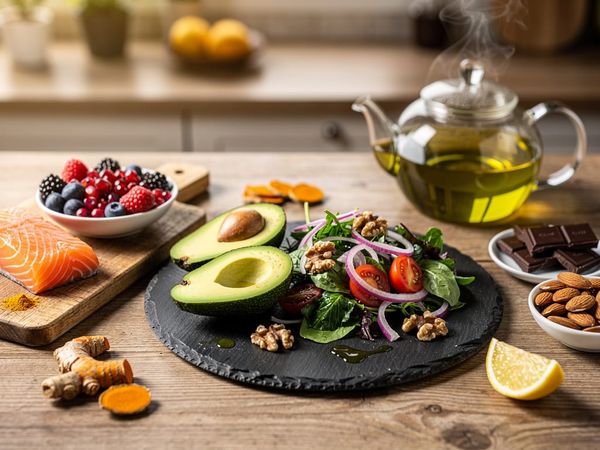
Unlocking Your Lymphatic Flow

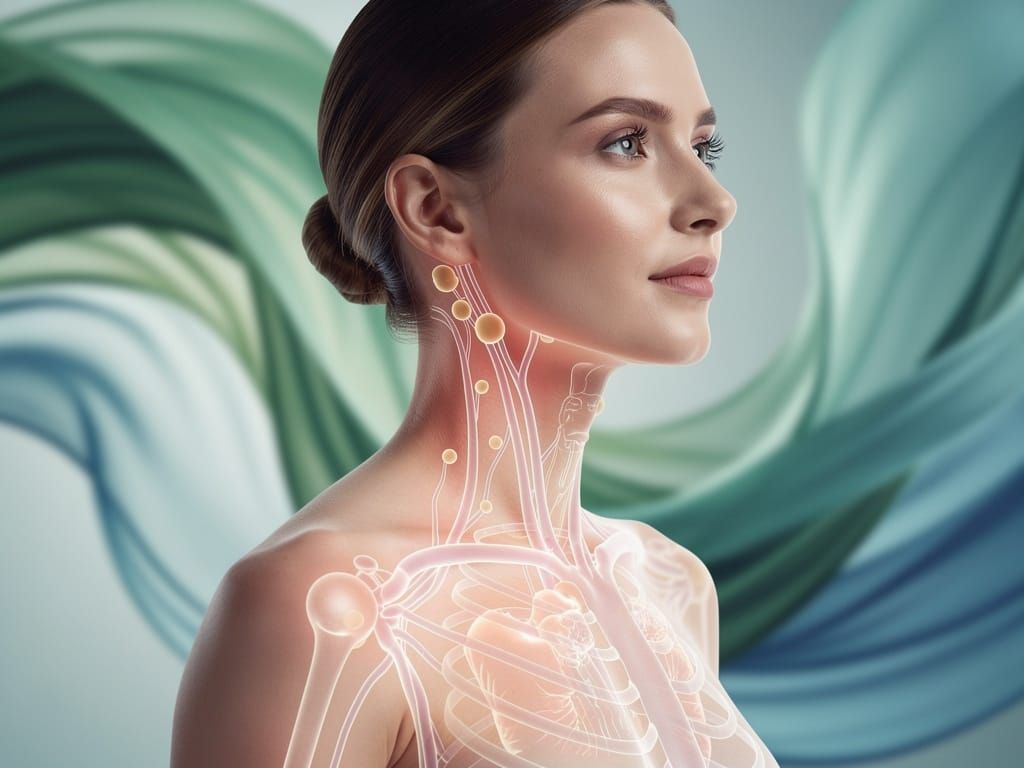
We pay close attention to our heart, our brain, and our gut. But what about the body's silent, unsung hero? A complex network works tirelessly behind the scenes, cleaning up metabolic waste and defending against invaders. This is your lymphatic system, and understanding how to support its flow is a cornerstone of long-term wellness and graceful aging.
What is this forgotten network in my body?
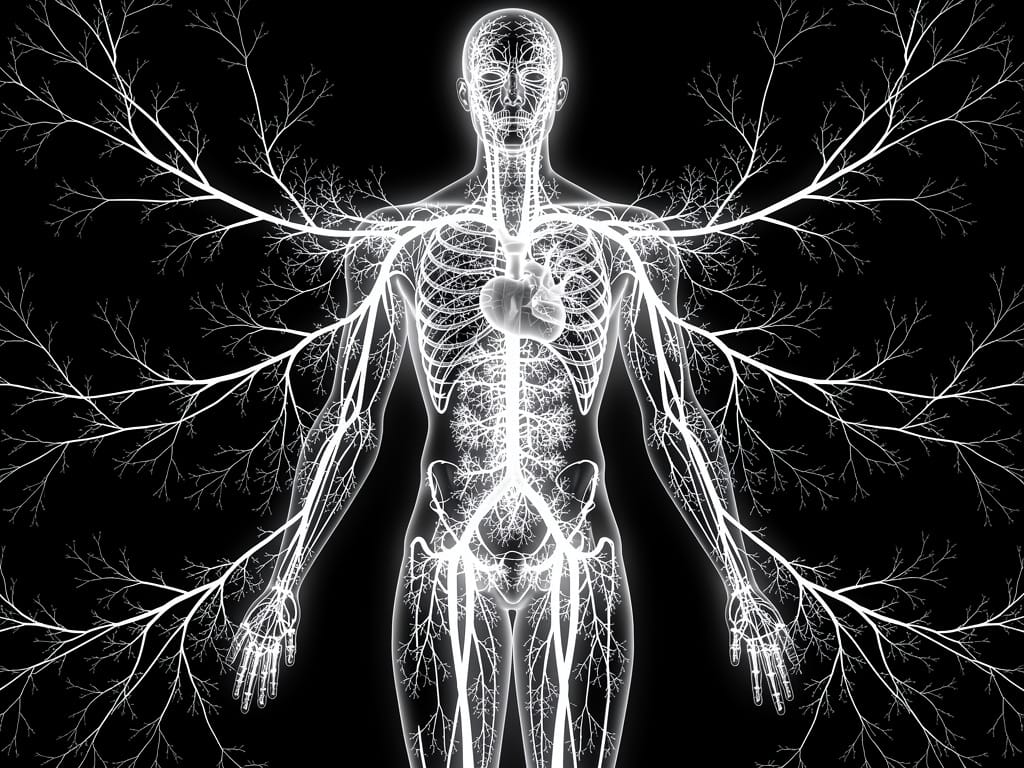
Think of your lymphatic system as a parallel circulatory system, but one without a powerful pump like the heart. It’s a vast web of vessels, nodes, and organs that transport a clear fluid called lymph throughout your body. This fluid collects waste products, damaged cells, and foreign invaders from your tissues, carrying them to lymph nodes to be filtered and neutralized.
Essentially, it’s your body's dedicated sanitation and security department. The lymph nodes act as intelligent filtering stations, packed with immune cells that identify and destroy harmful substances. A properly functioning system is fundamental for a robust immune response and efficient cellular cleanup, processes that are directly linked to how well we feel and age.
So why is its 'flow' so important?
When lymphatic flow becomes sluggish or stagnant, it's like a city with a backed-up drainage system. Waste and toxins can accumulate in the tissues, leading to a collection of common complaints. You might experience puffiness, especially in the face and extremities, a persistent feeling of fatigue, brain fog, or even find yourself more susceptible to colds and infections.
On the other hand, encouraging healthy lymphatic circulation helps your body perform its detoxification processes optimally. This can result in clearer skin, reduced swelling, more energy, and a more resilient immune system. By supporting this flow, you are directly assisting your body's ability to maintain a clean internal environment, which is a key factor in promoting cellular health and vitality.
What simple actions can get things moving?
Since the lymphatic system lacks a central pump, it relies on external forces to move fluid. The most effective method is simply physical movement. The contraction of your muscles during exercise-like walking, swimming, or yoga-squeezes the lymphatic vessels and pushes the lymph along. Even gentle stretching and deep, diaphragmatic breathing create pressure changes in the torso that act as a powerful pump for the system.
Hydration is another non-negotiable element. Lymph is composed mostly of water, so being properly hydrated ensures the fluid remains thin and can travel easily through the vessels. Dehydration can cause the lymph to thicken, contributing to congestion. Aim for consistent water intake throughout the day to keep everything flowing smoothly.
Are there any daily habits that make a real difference?
Yes, and they are surprisingly simple to incorporate. One popular technique is dry brushing. Using a natural-bristle brush, you gently stroke your dry skin in long sweeps toward your heart before showering. This action stimulates the superficial lymphatic vessels just beneath the skin's surface, encouraging movement.
Another impactful habit is to avoid wearing tight, restrictive clothing for extended periods, as it can physically constrict lymphatic vessels and impede flow. Finally, consider elevating your legs for a few minutes at the end of the day. This simple act of gravity helps drain lymph and blood from your lower extremities back toward the body's core, reducing swelling and promoting circulation after a long day on your feet. As with any wellness practice, consistency is what yields results.
This article is for informational purposes only and does not constitute medical advice. Please consult with a qualified healthcare professional for any health concerns or before making any changes to your diet or lifestyle.