What 90-Year-Olds Have in Common (It's Not Genetics)

Here's something that stops most people cold: the world's longest-lived individuals - the ones still sharp, mobile, and genuinely happy at 90 and beyond - didn't win some genetic lottery. Researchers who've spent decades studying these populations keep landing on the same uncomfortable truth: daily habits, not DNA, are doing most of the heavy lifting.
The Genetics Myth - And Why It Matters
A landmark study from the Albert Einstein College of Medicine found that genes account for roughly 25% of what determines lifespan. That leaves a wide-open 75% shaped by environment, mindset, and behavior.
Let that sink in for a second.
You're not locked into your family history. The choices you make every single day are quietly writing your biological age - and the people hitting 90 in good health figured that out, consciously or not.
What They Actually Do Differently
Researchers studying Blue Zone populations - Sardinia, Okinawa, Loma Linda, and others - along with longevity scientists like Dr. Valter Longo and Dr. Ellen Langer, have identified a tight cluster of shared behaviors. These aren't exotic rituals. They're almost frustratingly ordinary.
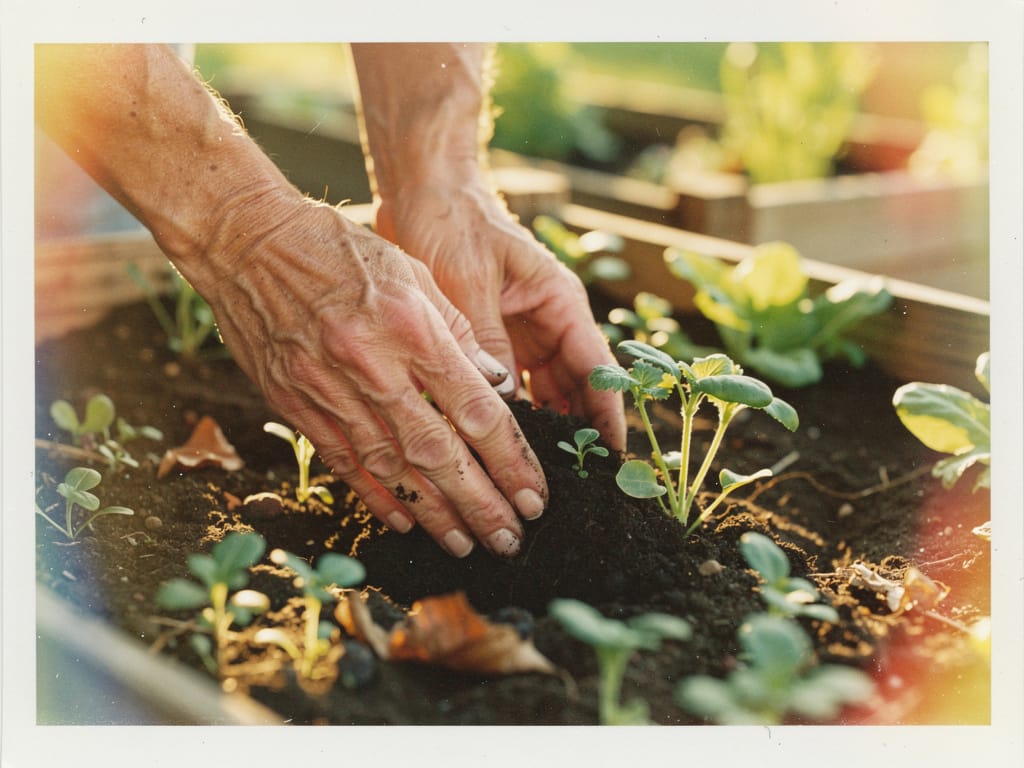
- They move constantly, not intensely. Long-lived people rarely run marathons. They walk, garden, cook from scratch, and climb stairs. Low-grade, consistent movement woven into daily life - not a gym schedule - is the pattern that shows up again and again.
- They eat until about 80% full. Okinawans call it hara hachi bu. The science behind it points to reduced oxidative stress and lower chronic inflammation when the body isn't perpetually in a state of caloric excess.
- They have a reason to get up in the morning. In Okinawa, it's called ikigai. In Sardinia, it's tied to community roles. A strong sense of purpose has been directly linked to lower cortisol levels and reduced risk of cognitive decline.
- They sleep like it's their job. Seven to nine hours, consistent bedtimes, and - critically - a cultural attitude that treats rest as productive rather than lazy.
- They belong to something. Social isolation is now classified as a health risk comparable to smoking 15 cigarettes a day. The 90-year-olds thriving in research studies are almost universally embedded in tight social networks - family, faith communities, neighbors, or long friendships.
- They manage stress through ritual, not willpower. Whether it's an afternoon nap, a daily walk, prayer, or a glass of wine with friends at sunset, they have built-in decompression habits that run on autopilot.
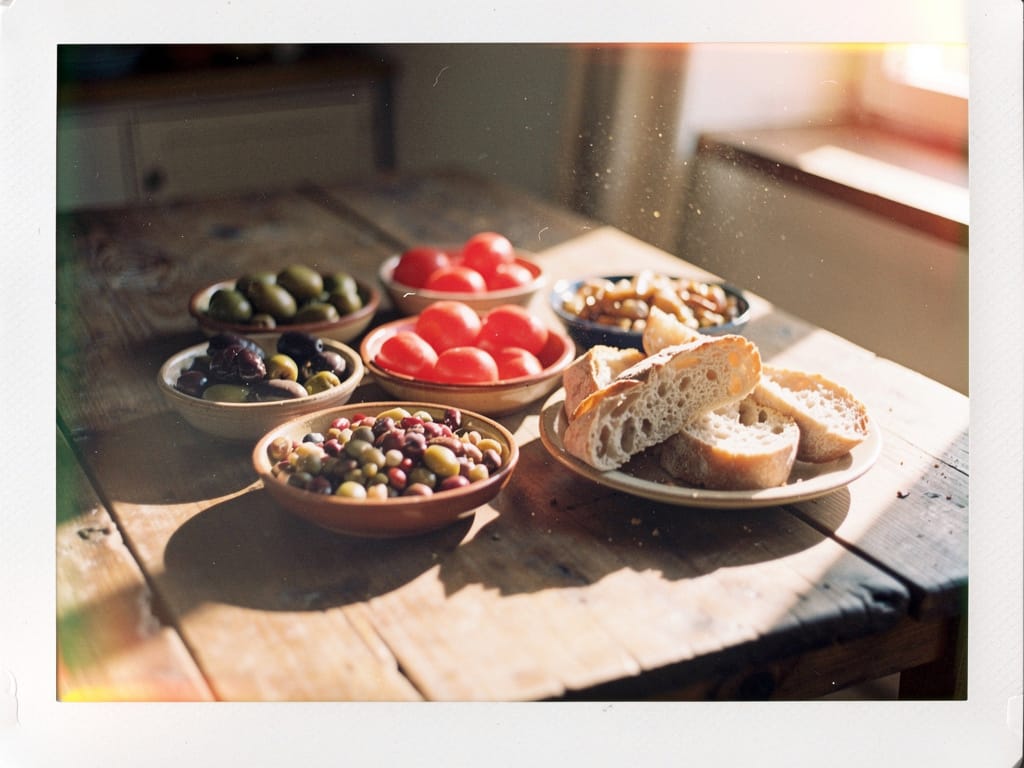
- Their diet is mostly plants, most of the time. Not exclusively - but the foundation is vegetables, legumes, whole grains, and healthy fats. Meat appears occasionally, not as the centerpiece of every meal.
The Habit Stack Nobody Talks About
Here's the part that gets overlooked in most longevity articles: none of these behaviors work in isolation.
It's the compound effect of all of them running simultaneously, day after day, decade after decade. Sleep supports better food choices. Purpose reduces stress. Social connection encourages movement. Movement improves sleep.
They reinforce each other like a self-sustaining ecosystem.
That's why researchers like Dr. David Sinclair emphasize that aging is not a fixed trajectory - it's a process that responds to inputs. The people reaching 90 in vibrant health aren't doing anything heroic. They've simply stacked enough of the right inputs, consistently enough, over a long enough timeline.
Where to Start Without Overhauling Your Life
The trap most people fall into is trying to change everything at once. That's not how durable habits form.
Pick one anchor habit from the list above - the one that feels most accessible right now - and build from there. A 20-minute walk after dinner. Eating to 80% full at one meal a day. Calling a friend you've been meaning to reconnect with.
Small, consistent, and compounding. That's the actual formula behind the people still thriving at 90.
The research is clear: longevity is less about what you're born with and more about what you do with Tuesday. Start there, and let the decades do the math.