What Happens to Collagen Every Decade of Your Life

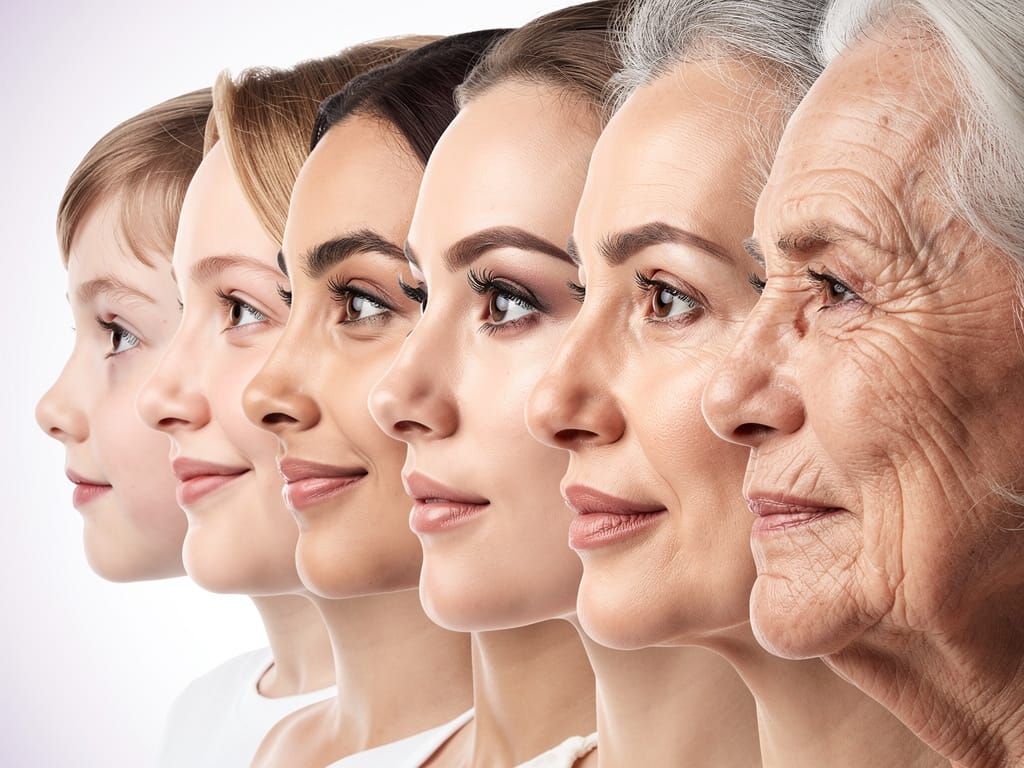
The Unfolding Story of Your Body's Framework
Imagine collagen as the silent, invisible architect of your body. It is the most abundant protein we have, the very scaffolding that provides structure to our skin, strength to our bones, and resilience to our joints. In our youth, this framework is robust and constantly regenerating, giving us that supple skin and effortless movement we often take for granted. But this is not a static structure. The story of our collagen is one of constant, subtle change, a narrative that unfolds with each passing decade.
The Peak and the Gentle Descent: Your 20s
In our twenties, our bodies are collagen powerhouses. Production is at its zenith, the biological reason for the firm skin and hardy joints that define this era. Yet, it is also during this decade that a quiet turning point occurs. Around the age of 25, the body begins to produce slightly less collagen-about 1% less each year. This initial slowdown is almost imperceptible, a gentle whisper of the changes to come. It’s here that our lifestyle choices, from sun exposure to our daily nutrition, begin to etch their first faint marks on our long-term collagen health.
The Visible Shift: Your 30s and 40s
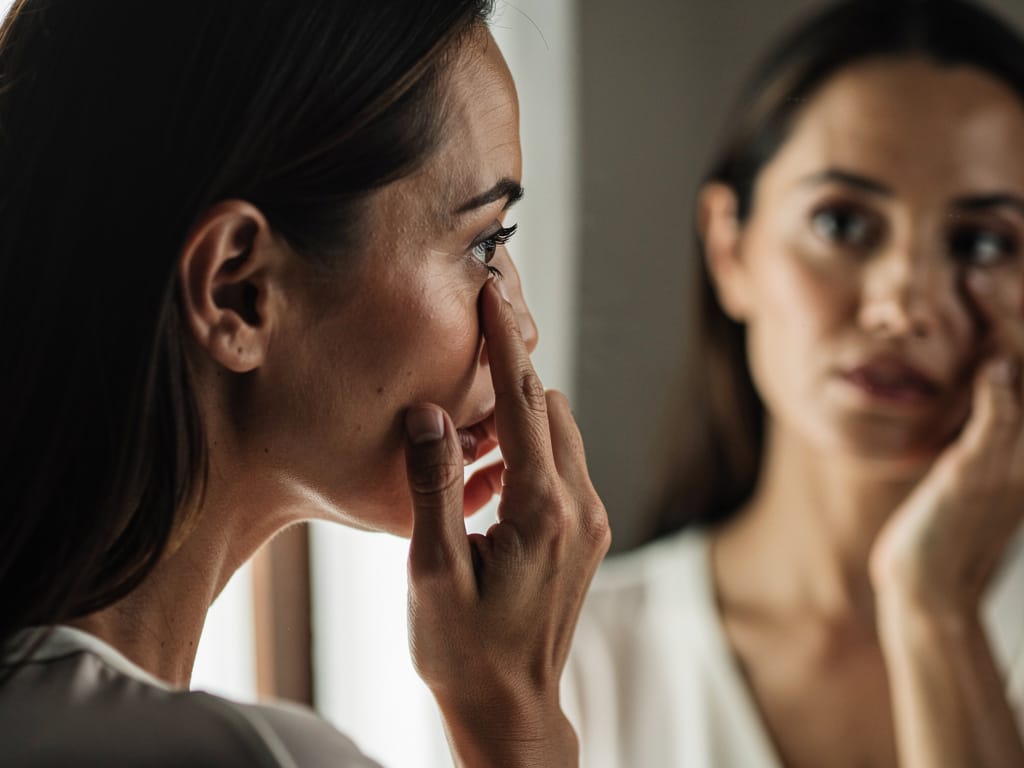
As we journey into our thirties and forties, the story of collagen loss starts to become more visible. The fine lines that might appear around the eyes or mouth are often the first outward signs of this internal shift. Skin may not feel as plump or bounce back with the same immediacy. This happens because the decline in production has become more consistent, and the existing collagen fibers can begin to weaken and lose their tight, organized structure. This narrative extends beyond the skin's surface. You might notice that joints feel a bit stiffer in the morning or that recovery from a workout takes a bit longer. The internal scaffolding is simply becoming less dense.
The Accelerated Change: Your 50s and Beyond
Entering our fifties and the years that follow marks a more significant chapter in this journey. The rate of collagen loss can increase substantially. For women, this change is often accelerated by menopause, as shifting hormones play a direct role in protein synthesis. The effects become more pronounced. Skin can feel thinner and drier as the underlying support network diminishes, and a loss of facial volume may become more apparent. The story continues deep within the body. The cartilage in our joints, which is rich in collagen, can wear down, contributing to discomfort and stiffness. Even our bone matrix, which relies on a collagen framework for its strength, is affected by this ongoing decline.

This natural progression is a universal human experience, a story told in the lines of our faces and the feel of our bodies as we move through life. It is not a battle to be fought but a process to be understood and supported. While we cannot stop the clock, our daily habits are powerful collaborators in this story. A diet rich in nutrients, consistent protection from the sun, and a mindful approach to wellness can profoundly support our body’s precious collagen framework. For any specific health concerns or personalized guidance, it is always best to speak with a qualified healthcare professional who can help you navigate your unique path.