What Happens to Your Body When You Stop Building Muscle

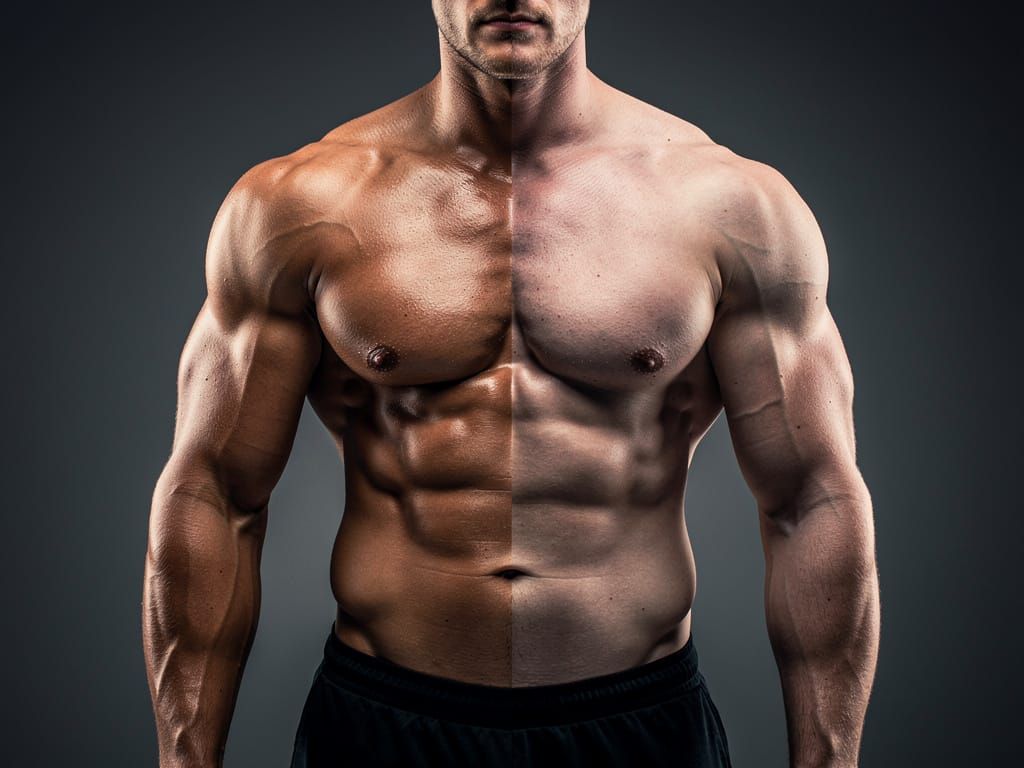
The Quiet Unraveling Nobody Talks About
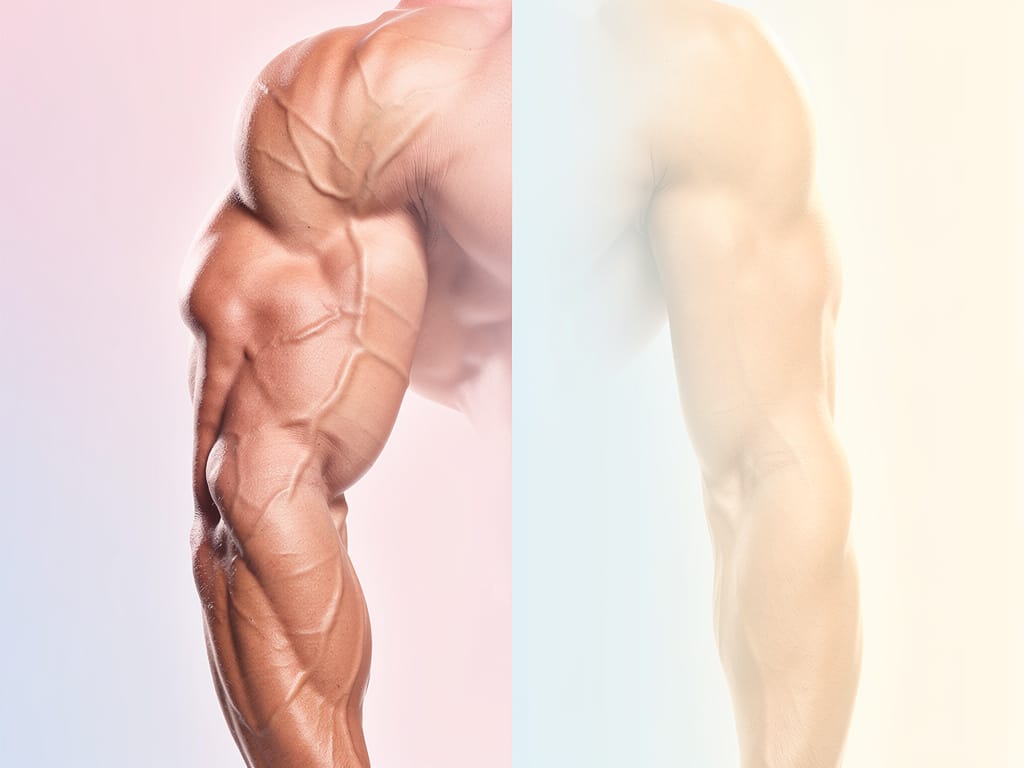
Your body is never in a holding pattern. It is either building or breaking down. And when you stop actively working to build muscle, the breakdown side of that equation quietly takes over.
This is not about vanity. It is about the biological machinery that keeps you functional, energized, and resilient as you age.
Here's the truth: muscle loss is not just a fitness problem. It is a whole-body problem.
What Actually Happens Inside Your Body
The process has a name - sarcopenia. It refers to the progressive loss of skeletal muscle mass and strength that accelerates after your mid-30s. Without deliberate resistance training, most adults lose between 3% and 8% of their muscle mass per decade.
That number compounds. And the downstream effects are far-reaching.
Your Metabolism Slows Down - Fast
Muscle is metabolically expensive tissue. It burns calories even at rest. When you lose it, your resting metabolic rate drops, meaning your body needs fewer calories to function. The result? Fat accumulates more easily, even if your eating habits stay the same.
This is why so many people notice body composition shifting in their 40s and 50s without any obvious change in lifestyle. The muscle was doing quiet, invisible work - and now it is gone.
Your Bones Feel the Loss Too
Muscle and bone are deeply connected. Mechanical stress from muscle contractions is one of the primary signals that tells your bones to stay dense. Less muscle activity means less stimulus for bone remodeling, which accelerates the risk of osteopenia and fractures over time.
Insulin Sensitivity Takes a Hit
Skeletal muscle is the body's largest site for glucose uptake. When muscle mass declines, your cells become less efficient at pulling sugar out of the bloodstream. This is a significant driver of metabolic dysfunction - a pattern that compounds with age if left unaddressed.
Two Sides of the Same Coin
Let's look at this honestly. Stopping muscle-building activity does not mean instant decline. But the contrast between those who maintain it and those who do not becomes stark over the years.
When you stop building muscle, you tend to experience:
- Gradual increase in body fat percentage, even without eating more
- Reduced energy levels and faster fatigue during daily tasks
- Decreased joint stability and a higher risk of injury
- Slower recovery from illness or physical stress
- Cognitive changes linked to reduced physical activity and circulation
When you maintain or build muscle consistently, research points to:
- Better blood sugar regulation and metabolic flexibility
- Stronger bones and connective tissue over time
- Higher baseline energy and improved sleep quality
- Greater functional independence well into older age
- Reduced markers of systemic inflammation
The gap between those two lists is not genetics. It is largely habit.
This Is Not About Looking a Certain Way
The conversation around muscle is too often framed around aesthetics. But the science tells a different story. Muscle is a longevity organ. Researchers studying healthy aging consistently identify muscle mass and grip strength as some of the most reliable predictors of long-term health outcomes.
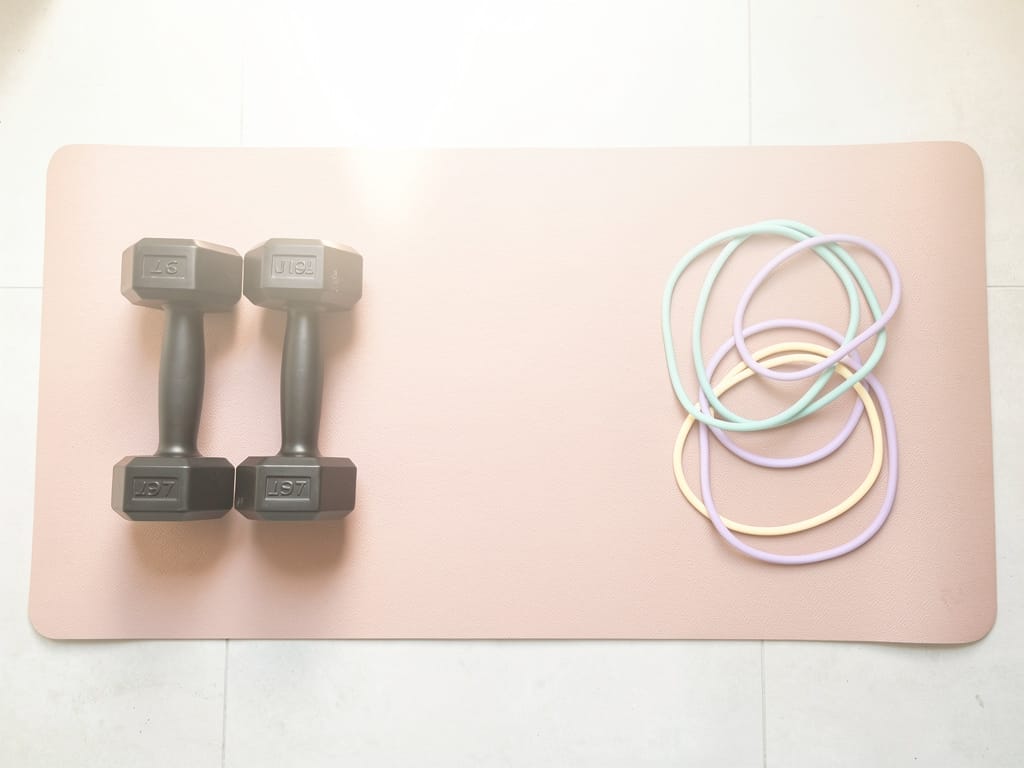
You do not need to become an athlete. You do not need a gym membership or a complicated program. What the evidence supports is consistent, progressive resistance work - two to three sessions per week - as one of the most impactful habits you can build for long-term vitality.
The body responds to demand. Give it a reason to stay strong, and it will. Stop giving it that reason, and it will quietly, efficiently begin to let go of what it no longer needs.
The good news is that muscle responds to training at virtually any age. Studies on adults well into their 70s and 80s show meaningful gains from resistance training programs. The window does not close - it just requires more intentional effort to keep open.
Start where you are. Use what you have. But do not mistake stillness for stability - because when it comes to muscle, standing still is already moving backward.