What Happens to Your Body When You Turn 60 Cell by Cell


The number 60 feels significant. It's more than a birthday. It's a biological checkpoint.
Forget wrinkles and gray hair for a moment. The real story of aging is written inside your cells. It's a microscopic process that starts long before you notice it in the mirror.
Let's look at what's happening under the hood. This isn't about fear. It's about understanding. Because understanding gives you power.
Disclaimer: This information is for educational purposes only. Always consult a qualified healthcare professional for any health concerns or before making any lifestyle changes.
The Cellular Slowdown: Meet Senescence
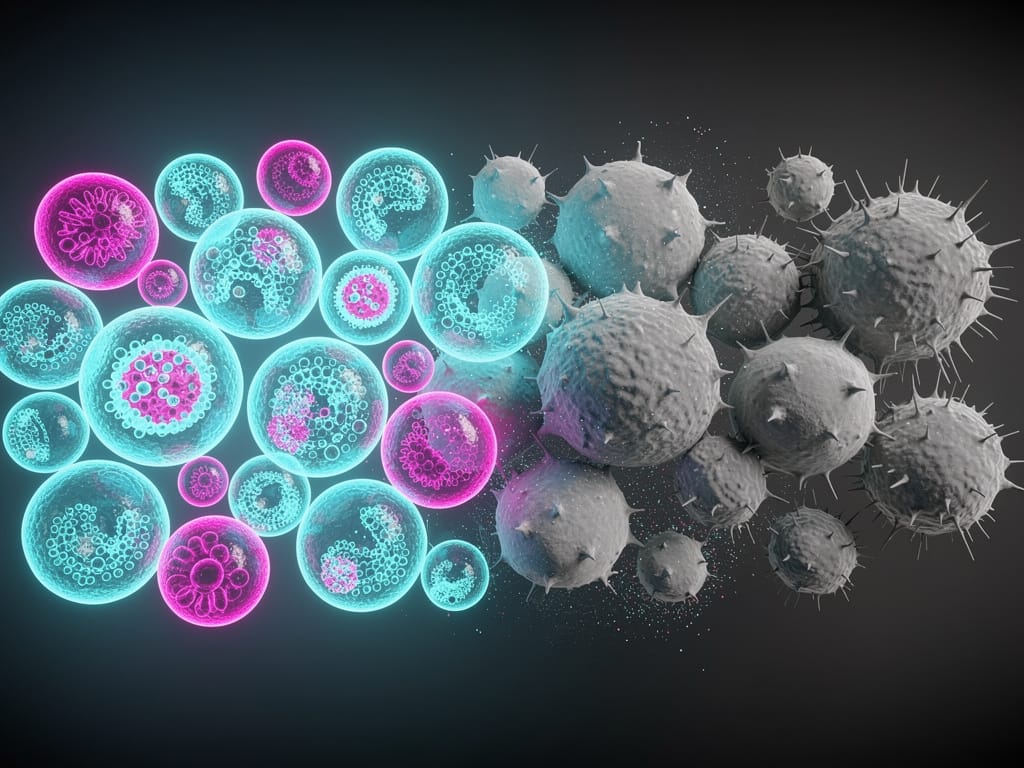
Deep inside you, some cells are retiring. They stop dividing. This process is called cellular senescence.
These cells don't die off. They linger. Think of them as zombie cells. They hang around, releasing inflammatory compounds into their surroundings.
This creates a state of low-grade, chronic inflammation. It’s a key driver of many age-related conditions. Your body's internal environment changes, slowly but surely.
Your DNA's Clock: Telomeres Get Shorter
Imagine the plastic tips on a pair of shoelaces. Those are like telomeres.
Telomeres are protective caps at the ends of your chromosomes. They safeguard your DNA. Every time a cell divides, these caps get a tiny bit shorter.
By age 60, decades of cell division have taken their toll. The shortening becomes significant. Shorter telomeres mean less protection for your DNA, affecting how well cells can repair and function.
The Energy Crisis: Mitochondrial Decline
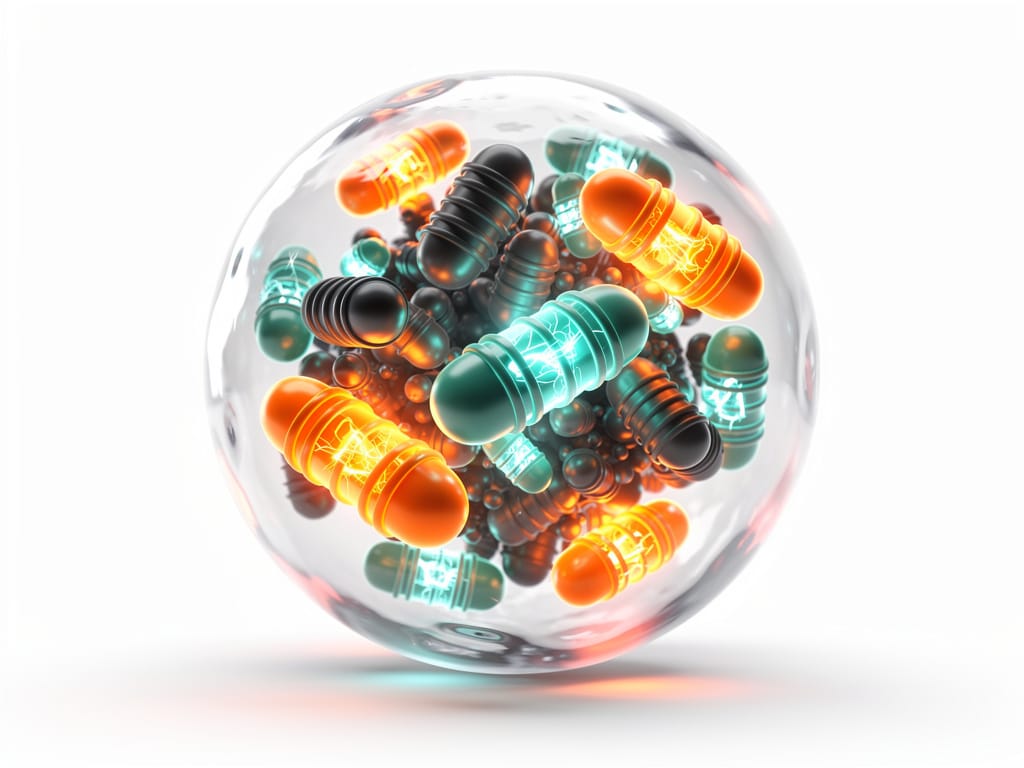
Your energy comes from mitochondria. They are the tiny power plants inside every cell.
As you age, these power plants become less efficient. They produce less energy and more waste in the form of free radicals. This is oxidative stress.
The result? You might feel it as physical fatigue. At the cellular level, it's a direct hit to your body's ability to power itself and fend off damage.
Taking Back Control: Your Cellular Action Plan

This is not a one-way street. You are not a passenger. Your daily habits send powerful signals to your cells, influencing these very processes.
You can't stop time. But you can change how your body experiences it. You have agency over your cellular health.
Here is a simple, powerful blueprint.
- Fuel for Resilience. Your diet is a direct input. Focus on antioxidant-rich foods-think dark berries, leafy greens, and colorful vegetables. These nutrients help your cells fight back against oxidative stress. Cut down on processed foods and sugar, which fuel inflammation.
- Move with Purpose. Consistent exercise does more than build muscle. It boosts mitochondrial biogenesis-the creation of new, healthy mitochondria. It also helps your body clear out those senescent zombie cells. A brisk walk is better than nothing.
- Master Your Rest. Sleep is not passive. It's when your body's cleanup crews get to work. During deep sleep, your brain clears metabolic waste and your cells repair damage. Prioritize 7-8 hours of quality sleep. It is non-negotiable for cellular maintenance.
- Defuse Your Stress. Chronic stress is a cellular accelerant. It speeds up telomere shortening. You must have a strategy to manage it. Meditation, time in nature, deep breathing-find what works for you and make it a daily practice.
Turning 60 is a new chapter. Understanding what's happening at the cellular level demystifies the aging process.
Your choices matter. Every meal, every walk, every night of good sleep is a deposit in your cellular bank account. Start investing today.