What I’d Tell My 40-Year-Old Self About Aging Well

If I could sit down for coffee with my 40-year-old self, I’d have so much to say. At that age, you're standing at a strange crossroads. You don't feel 'old', not really, but you're definitely not young anymore. There's this subtle feeling that the effortless energy of your 20s has quietly slipped out the back door, and you're left wondering if this slow decline is just... it. You're busy, you're stretched thin, and your health is something you plan to 'get to later'. I'm here to tell you that 'later' is now, and the gap between just getting by and truly thriving is built with small, intentional choices you can start making today.
Before: Running on Fumes and 'Good Enough'
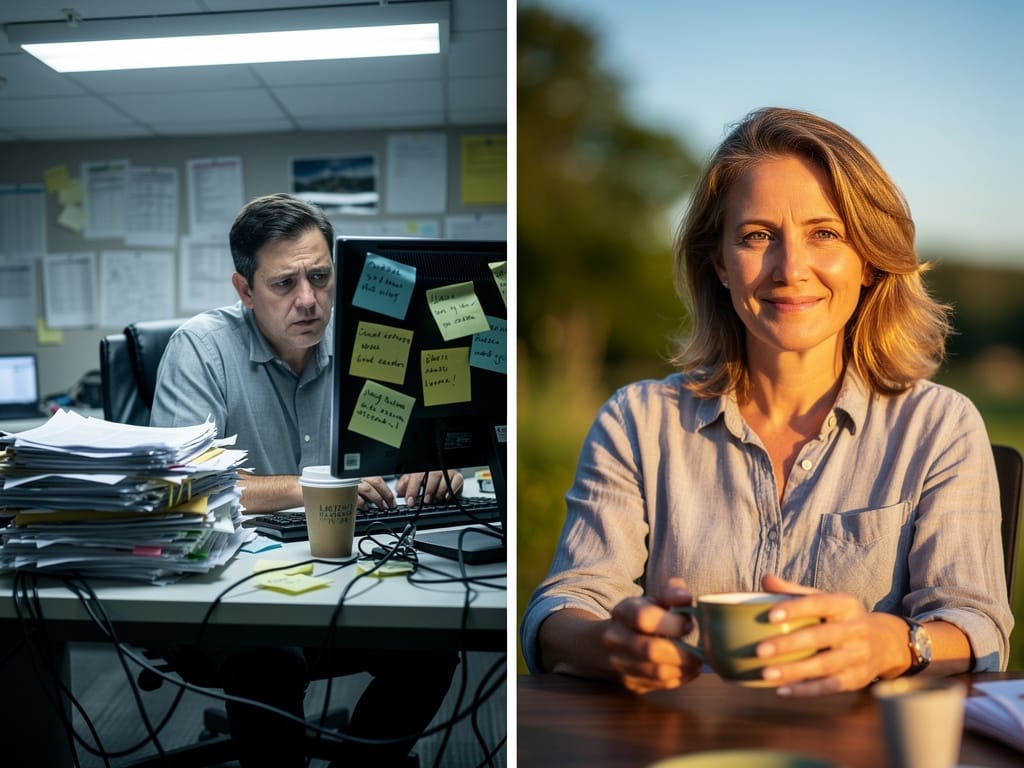
Let's be honest, at 40, life is often a masterclass in juggling. You're likely managing a career, a family, finances, and a hundred other responsibilities. Your health strategy is probably reactive-you deal with problems as they pop up. You might grab a sugary coffee for a morning boost, eat whatever is convenient for lunch, and collapse on the couch at night, too tired to even think about a workout. You tell yourself you're 'healthy enough' because you don't have any major issues.
But the signs are there, aren't they? The nagging back pain that wasn't there five years ago. The fact that it takes two days to recover from a single late night. The mental fog that rolls in mid-afternoon. You're not sick, but you're not exactly bursting with energy, either. You're running on fumes, accepting a lower-energy life as a normal part of getting older. This is the default path, the one where you slowly lose ground without even realizing it's happening.
After: Living with Intention and Energy
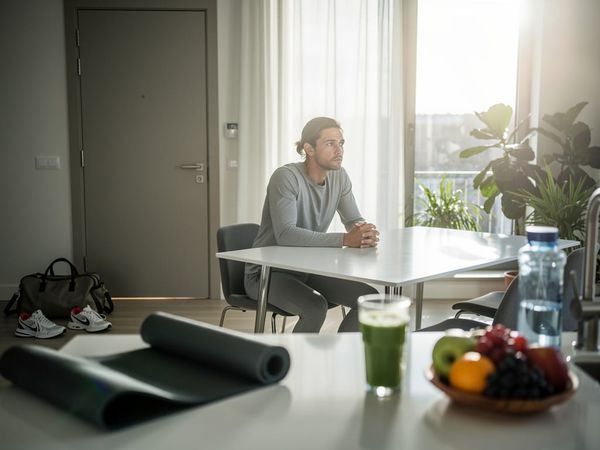
Now, picture a different reality. Imagine waking up before your alarm, feeling rested and ready for the day. Imagine moving your body with a sense of strength and confidence, where daily activities feel easy, not like a chore. In this version of your life, food is fuel that gives you stable, consistent energy all day long. You're not just surviving your days; you're actively participating in them with clarity and purpose.
This isn't some fantasy about turning back the clock. It's about optimizing the incredible body and mind you have right now. It's about feeling genuinely good, strong, and resilient as you move into your 50s and beyond. This future you is proactive. You understand that your daily habits are either building you up or breaking you down. You're in the driver's seat, making conscious choices that compound over time into a life filled with more health, more joy, and a whole lot more energy.

The Bridge: How to Get There
So, how do you get from the 'before' to the 'after'? It’s not about a punishing diet or a brutal workout plan. It's about layering in smarter, sustainable habits. This is the bridge I would have given my 40-year-old self.
- Make Protein Your Priority at Every Meal. Your body needs protein to maintain muscle, which is your metabolic engine. As we get older, we naturally lose muscle mass-a process called sarcopenia. Counteract this by aiming for a good source of protein with every meal. It keeps you full, stabilizes your blood sugar, and gives your body the building blocks it needs to stay strong.
- Swap Endless Cardio for Strength Training. While a walk or a run is great for your heart, resistance training is non-negotiable for aging well. Lifting weights (or using your own body weight) twice a week sends a powerful signal to your body to build and maintain lean muscle and bone density. You don't have to become a bodybuilder; you just have to be consistent.
- Treat Sleep Like It's Your Job. We brag about how little sleep we can get by on, and it's wrecking our health. Sleep is when your body and brain repair, regulate hormones, and consolidate memories. Create a non-negotiable wind-down routine. Make your bedroom a dark, cool sanctuary. Protecting your sleep is one of the most powerful health choices you can make.
- Find Ways to Actively De-Stress. Chronic stress is a silent ager, contributing to inflammation and a host of health issues. You can't eliminate stress, but you can build a toolkit to manage it. Whether it's a 10-minute daily meditation, a walk in nature, or connecting with a good friend, find what works for you and do it relentlessly.
- Know Your Numbers. Stop avoiding the doctor. Go get your annual physical and know your key health markers-blood pressure, cholesterol, blood sugar, and key vitamin levels. This isn't about looking for problems; it's about collecting data so you can make informed decisions. It’s the ultimate form of self-care.
These steps aren't a quick fix; they're the foundation for a second half of life that's even better than the first. It's about shifting your mindset from passive acceptance of aging to active, joyful participation in your own well-being. Of course, for any specific health concerns or before starting a new regimen, it's always best to have a conversation with a qualified healthcare professional who knows your personal history.