Why Your Neck Ages Faster Than Your Face

The Delicate Blueprint of Neck Skin
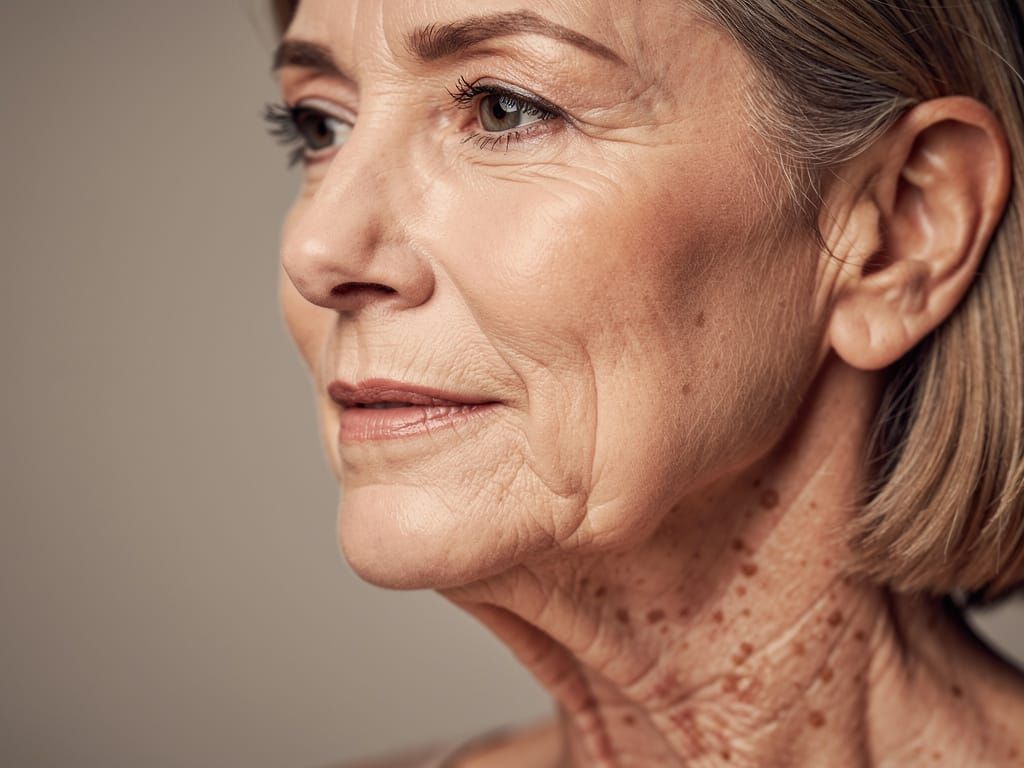
You're not imagining it. It’s a common experience to feel like your facial skin is holding up quite well, while the skin on your neck seems to be on a completely different timeline. This isn't a trick of the light; it's rooted in fundamental anatomical differences. The skin on your neck is structurally distinct from the skin on your face, being considerably thinner and containing fewer sebaceous (oil) glands. This inherent lack of natural oils means it's far more susceptible to dryness and has a weaker moisture barrier, making it more vulnerable to environmental stressors.
Furthermore, the neck has a less robust support system underneath the surface. It contains less subcutaneous fat and connective tissue compared to your cheeks or forehead. This fatty layer acts as a natural 'padding' that provides volume and structure. Without this dense cushion, the skin on the neck has less support against the constant pull of gravity, which can lead to a quicker loss of firmness and the appearance of sagging over time.
A Life of Constant Motion and Pull
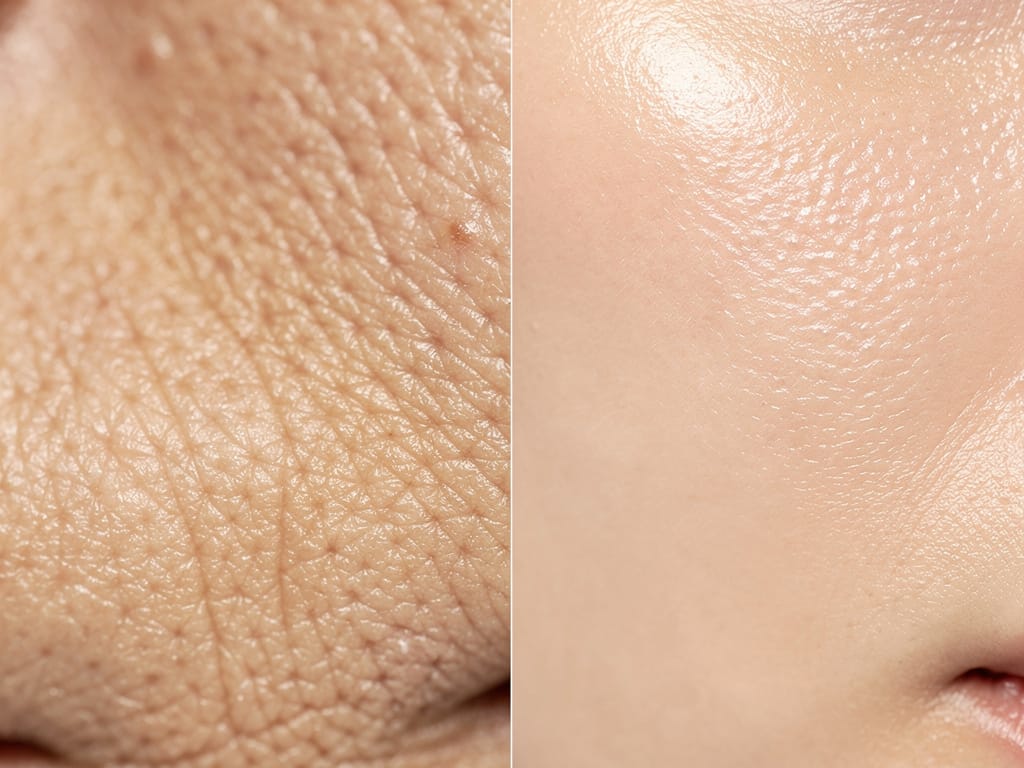
Think about how much your neck moves throughout the day. It swivels, tilts, and bends almost constantly to support your head, which weighs about 10 to 11 pounds. This continuous mechanical stress on such delicate skin encourages the formation of horizontal creases, much like folding a piece of paper in the same place over and over again. These lines are a natural result of a lifetime of expression and movement, but they often appear more pronounced on the neck due to its unique structure.
Beneath the skin lies the platysma, a broad, thin sheet of muscle that extends from the collarbone up the sides of the neck to the jaw. As we age, this muscle can weaken and its edges can separate, which contributes to the formation of vertical bands. This muscular change, combined with the skin's reduced elasticity and the relentless effects of gravity, creates a perfect storm for visible signs of aging that are often less apparent on the more structurally supported face.
The Unseen Damage from Sun and Neglect
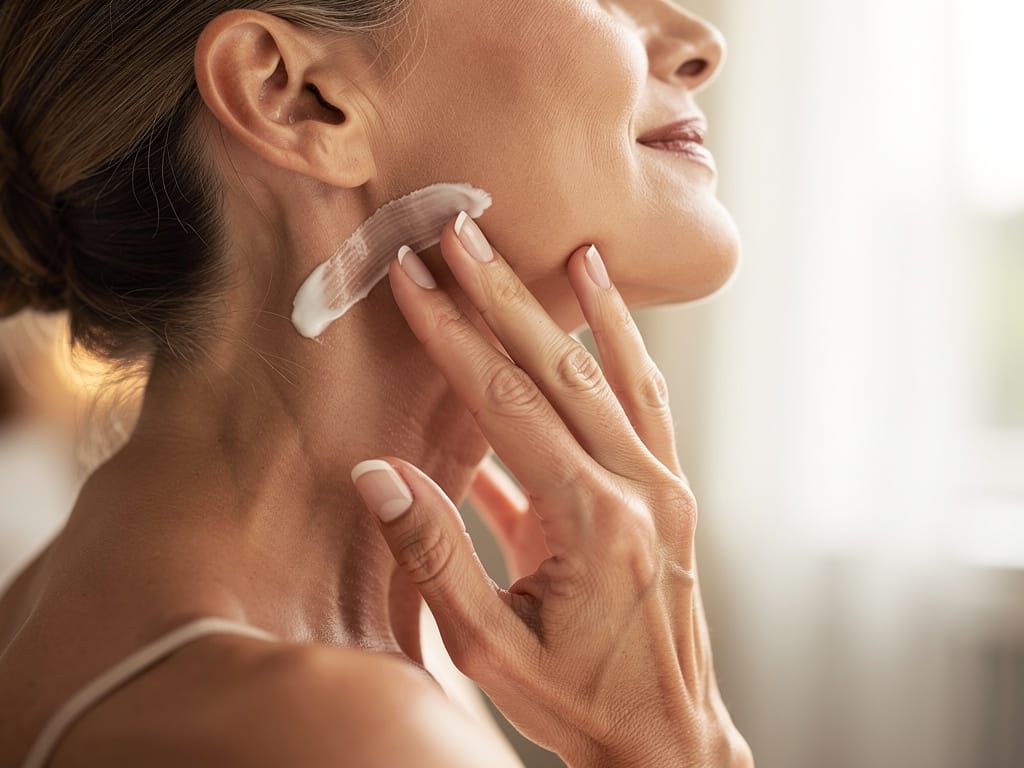
Let's have an honest chat. When you apply your daily moisturizer and sunscreen, do you consciously extend it all the way down your neck and onto your chest? For many of us, skincare application stops at the jawline. This common habit leaves the neck exposed to the full force of ultraviolet radiation, which is the primary external factor in skin aging. This unprotected exposure steadily degrades collagen and elastin, the essential proteins that provide skin with its strength and bounce.
This pattern of neglect creates a significant disparity in skin health over the years. Your face, which receives the benefits of your dedicated skincare regimen, is better protected and hydrated. Meanwhile, the neck is often left to fend for itself, leading to a noticeable difference in texture, tone, and firmness. It's a simple but powerful reminder that the skin below your chin deserves the same thoughtful care as your complexion.
Let's Talk About 'Tech Neck'
In our modern world, we've introduced a new challenge for our necks that our ancestors never faced: 'tech neck'. The posture we adopt while looking down at our smartphones, tablets, and laptops for hours on end creates a persistent fold in the neck skin. This repeated creasing can etch horizontal lines into the skin prematurely, accelerating a process that would naturally occur much more slowly. It’s a contemporary lifestyle factor that directly impacts the youthful appearance of this already vulnerable area.
Always remember that this information is for educational purposes, and for any personal health concerns, consulting with a qualified healthcare professional is the best course of action.