What Your Eyes Reveal About Your Brain's Age

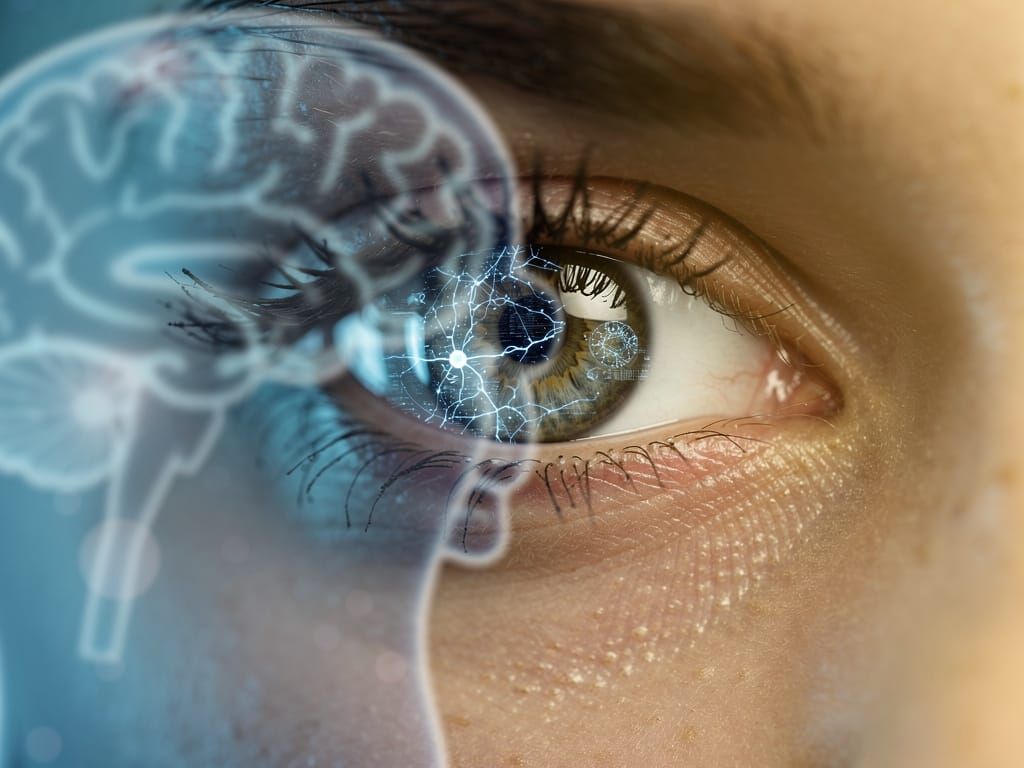
Your eyes are much more than windows to your soul; they are a direct, observable extension of your brain.
Scientists can now estimate your brain’s biological age just by looking at the back of your eye.
This is possible because the retina is the only part of your central nervous system that can be seen from the outside world.
Think of it as a clear screen displaying the health of your neural and vascular wiring.
The Retina-Brain Connection
The tiny blood vessels and nerves in your retina share remarkable similarities with those inside your skull.
Damage or aging patterns seen in the eye often reflect parallel processes happening deep within the brain.
Researchers use artificial intelligence to scan retinal images and calculate a person's 'retinal age gap'.
This gap is the difference between your actual chronological age and the biological age your retina appears to be.
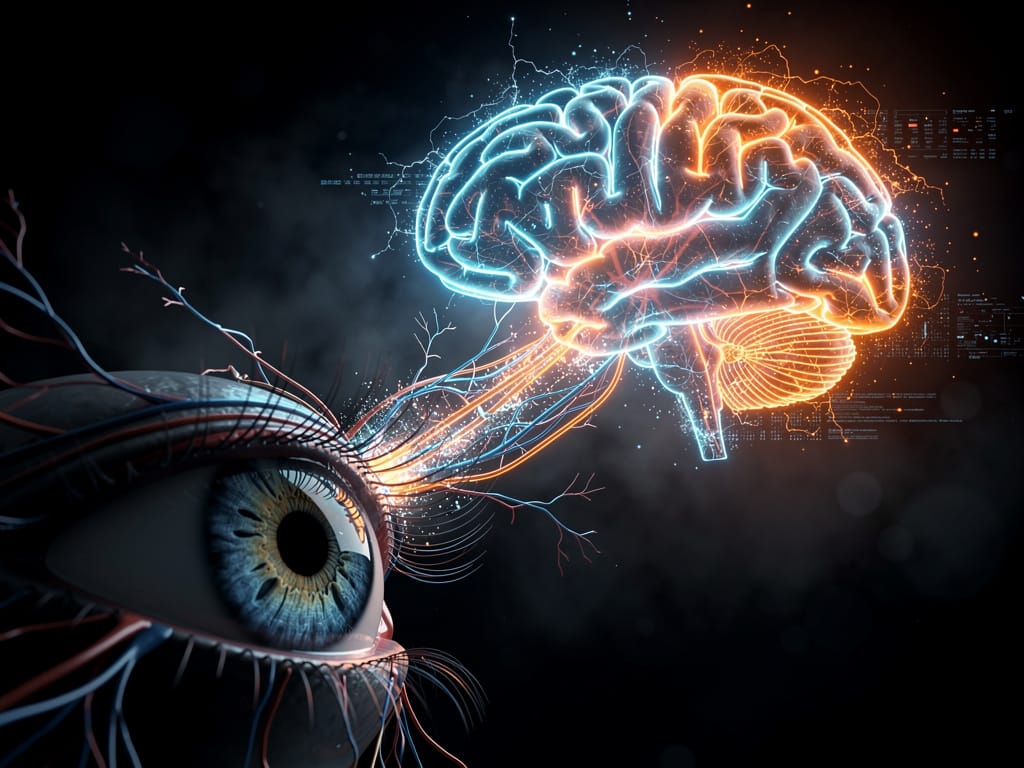
What the Scans Show
A wider retinal age gap suggests accelerated aging and has been linked to a higher risk of future cognitive decline.
This predictive power is a game-changer for understanding personal health trajectories.
The AI analyzes specific biomarkers invisible to the naked eye.
Key Health Indicators
The width and branching patterns of your retinal arteries and veins are a primary data point.
Subtle changes in these vessels can indicate systemic issues like high blood pressure or inflammation.
The thickness of the retinal nerve fiber layer also provides clues about corresponding brain volume.
Essentially, a healthier retina often correlates with a healthier, younger-acting brain.
Protect Your Eyes, Protect Your Brain
You can take proactive steps to support the intricate systems connecting your eyes and brain.
Focusing on holistic health is the most effective strategy for preserving both.
Here are five powerful habits to incorporate into your daily routine.
- Eat a nutrient-dense diet rich in antioxidants like lutein and zeaxanthin, found in leafy greens and colorful vegetables.
- Consume omega-3 fatty acids from sources like wild-caught salmon and walnuts to support cell membrane health.
- Engage in regular cardiovascular exercise to promote robust blood flow to your brain and retinas.
- Prioritize getting seven to nine hours of quality sleep per night for cellular repair and detoxification.
- Always protect your eyes from UV radiation by wearing high-quality sunglasses when outdoors.
These lifestyle choices directly impact the micro-environment of your neural and vascular systems.
Remember, this information is for educational purposes and is not a substitute for professional medical advice.
Always consult with a qualified healthcare provider for any personal health concerns or before making significant lifestyle changes.