What Your Grip Strength Says About Your Lifespan

The Surprising Thing Your Handshake Reveals
Here's something that might catch you off guard: the strength of your grip - yes, how hard you can squeeze - is one of the most powerful predictors of how long and how well you're going to live.
Not your cholesterol. Not your resting heart rate. Your grip strength.
I know, it sounds almost too simple. But the science behind it is genuinely fascinating, and once you understand what's actually going on, you'll never look at a firm handshake the same way again.
What the Research Actually Says
A landmark study published in The Lancet tracked over 140,000 adults across 17 countries. The finding? Low grip strength was a stronger predictor of cardiovascular death than systolic blood pressure.
Let that sink in for a second.
Other large-scale research has linked weaker grip to higher risks of:
- Heart disease and stroke
- Cognitive decline and dementia
- Type 2 diabetes complications
- Slower recovery from illness or surgery
- Overall earlier mortality
This isn't a fringe theory. It's consistently replicated across populations, age groups, and continents. Grip strength has become what researchers call a biomarker of aging - a window into the deeper health of your entire body.
Why Grip Strength Is So Much More Than a Hand Thing
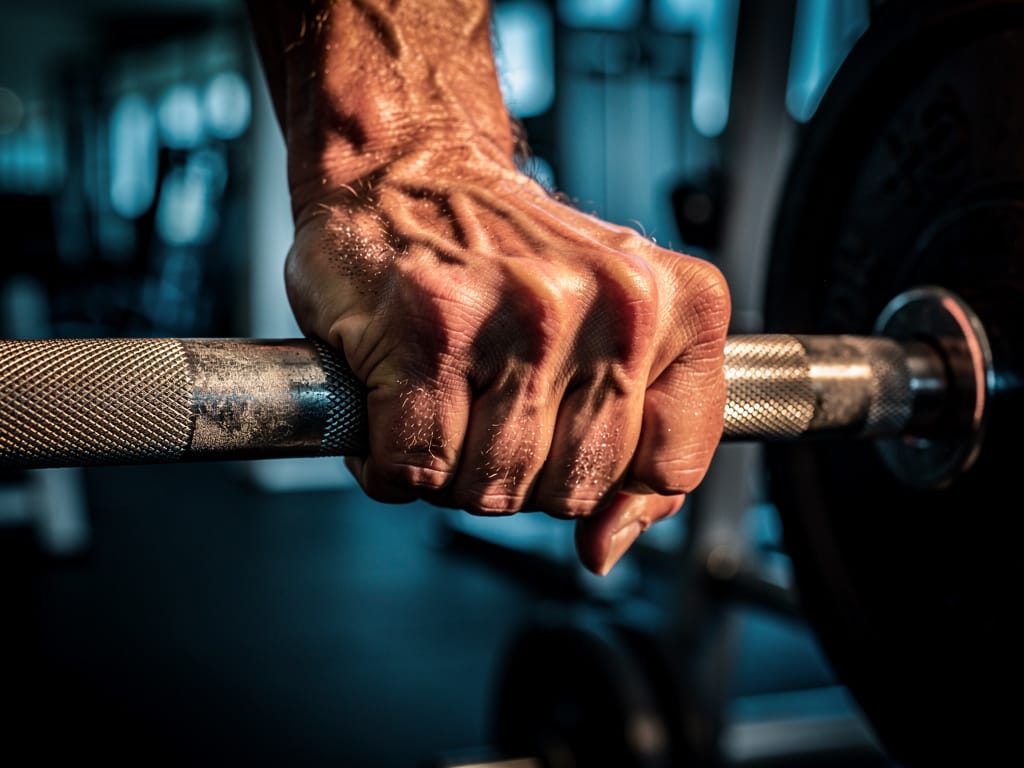
Here's the truth: your grip isn't just about your fingers and forearm. It reflects the overall state of your musculoskeletal system - your muscle mass, your neuromuscular efficiency, and how well your body has maintained itself over time.
Think of it this way. Muscle tissue is metabolically expensive. Your body only keeps what it uses. When grip strength declines, it's often a signal that systemic muscle loss - called sarcopenia - has quietly begun.
And sarcopenia isn't just a fitness issue. It's deeply tied to inflammation, insulin resistance, hormonal shifts, and even immune function. Losing muscle as you age is like slowly dimming the lights in a house - everything starts working a little less efficiently.
So What's a 'Good' Grip Strength?
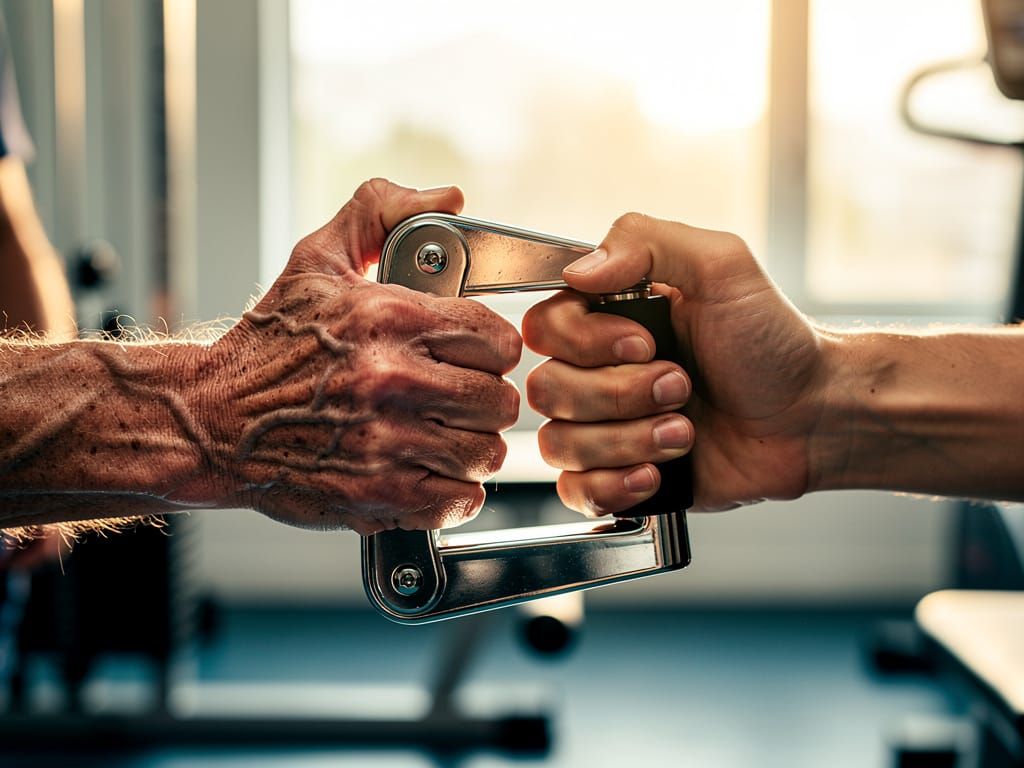
Researchers typically measure grip using a hand dynamometer (a device you squeeze as hard as you can). General benchmarks suggest that for men under 70, a grip below roughly 26 kg raises concern. For women, it's around 16 kg.
But honestly? Don't get too hung up on the exact numbers right now. What matters more is the trend over time - are you maintaining or losing strength as the years go by?
If you're curious, many sports medicine clinics and even some primary care offices can measure this. It's worth asking about at your next check-up.
The Good News: You Can Absolutely Improve It
This is the part I really want you to hear. Grip strength isn't fixed. It's trainable at any age.
Research consistently shows that resistance training - even starting in your 60s or 70s - can meaningfully rebuild muscle mass and strength. You don't need to become a powerlifter. You just need to give your muscles a reason to stay.
Some of the most effective habits for maintaining and building grip strength include progressive resistance training (think dumbbells, resistance bands, or bodyweight exercises), carrying groceries without a cart, dead hangs from a pull-up bar, and simply using your hands more - gardening, cooking from scratch, playing an instrument.
Nutrition plays a huge role too. Adequate protein intake - spread across meals throughout the day - is one of the most evidence-backed strategies for preserving muscle as you age. Most people, especially older adults, are eating far less protein than their muscles actually need.
A Simple Habit Worth Starting Today
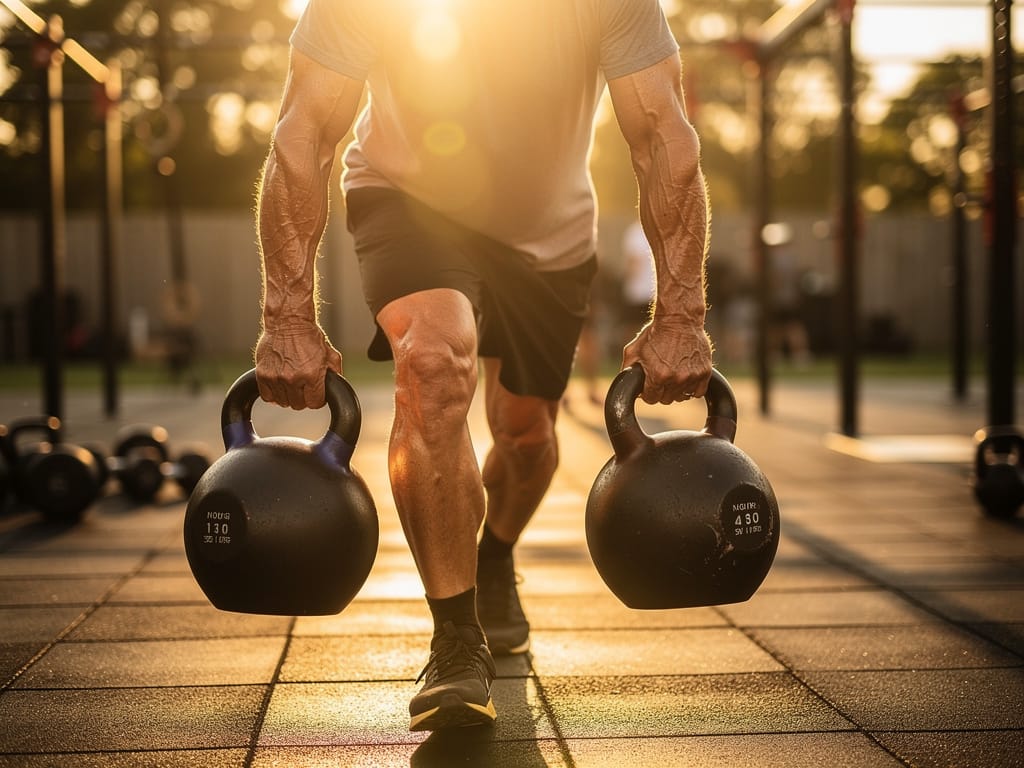
You don't need a gym membership or fancy equipment to start moving the needle. A set of inexpensive grip trainers costs less than a coffee. Farmer's carries - where you simply walk while holding something heavy - are brutally effective and require nothing but a couple of water jugs.
The bigger shift, though, is mental. Start thinking of your muscle as an organ - one that needs regular investment, not just occasional use. Every time you challenge your body physically, you're making a deposit into a long-term account that pays dividends in energy, independence, and years.
Your grip strength is essentially your body sending you a status update. And the beautiful thing is, you get to write the next chapter of that story.