What Your Hair Is Telling You About Aging

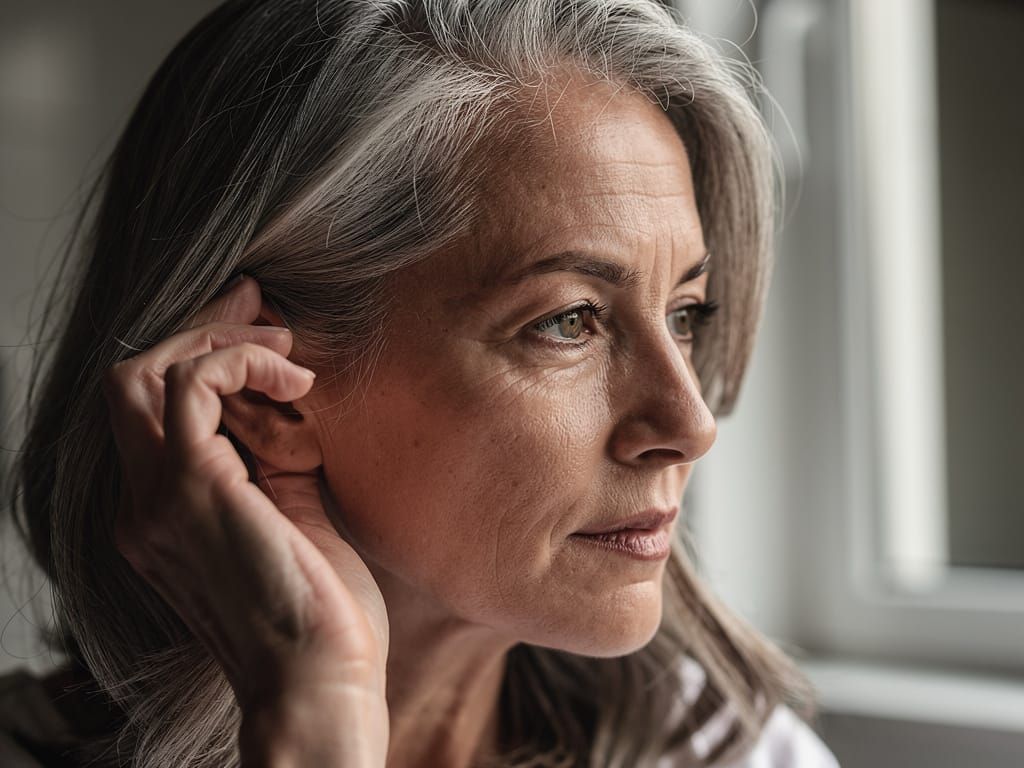
Hey there. Let's pour a cup of something warm and have a real chat about hair. You know, that thing on our heads we fuss over, style, and sometimes curse. It's funny how a few extra strands in the brush or a new silver thread catching the light can make us pause and think, 'Wait a second... what's going on up there?' It's completely normal to feel a little thrown off. Our hair is a big part of our identity, and when it starts changing, it can feel like it's telling a story we're not quite ready to read. But I promise, it's a story of life, not an ending.
Think of these changes less as a warning sign and more as a gentle nudge from your body. It's giving you feedback, letting you know what it needs to stay strong and healthy. So, let's get into what those messages might be, without any of the panic or scary stuff.
The Big Three: Graying, Thinning, and Texture Changes
Okay, so when we talk about hair and aging, it usually comes down to three main things that most of us will experience in some way. It's not a sudden event, but a slow, gradual shift. Understanding what's happening under the surface can make all the difference in how you feel about it.
Let's Talk About Going Gray
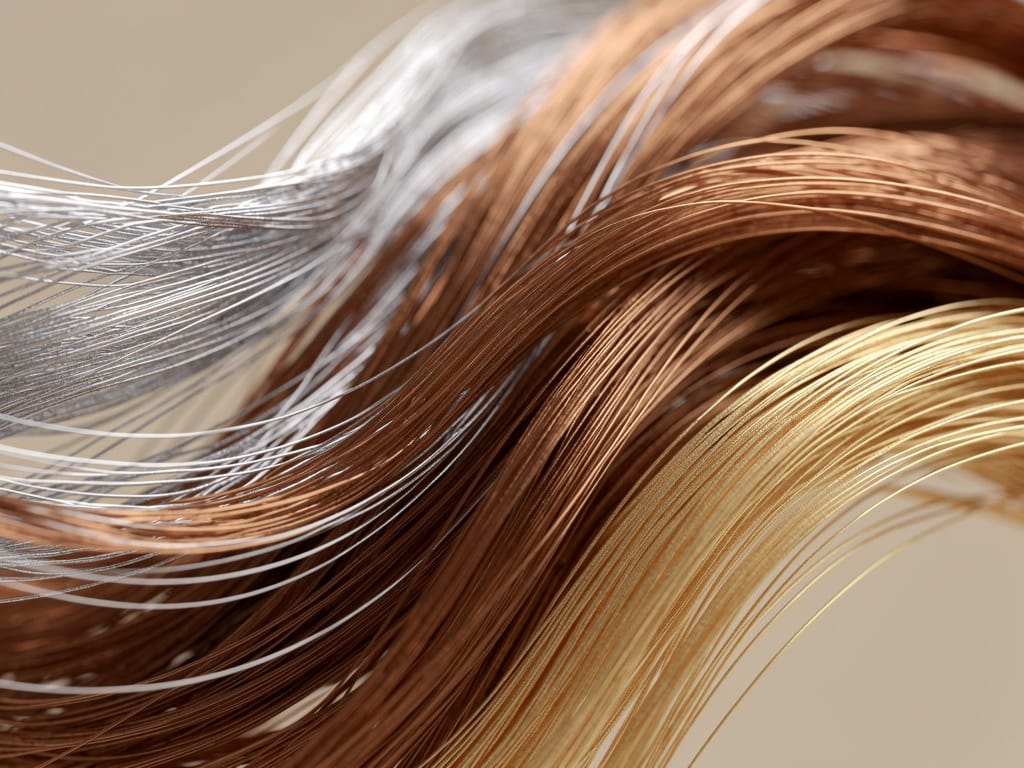
Finding that first silver strand is a rite of passage, isn't it? For some it's a shock, for others it's a badge of honor. Scientifically, it's pretty straightforward: the pigment cells (melanocytes) in your hair follicles start producing less melanin over time. Less melanin means less color, leading to gray, silver, or white hair.
- It's All in the Genes: Honestly, when you'll start going gray is largely written in your DNA. If your parents went gray early, there's a good chance you might, too.
- The Stress Connection: You've heard the stories, and there's some truth to it. Intense or prolonged stress can impact the stem cells responsible for producing those pigment cells. It won't turn you gray overnight, but it can speed things up.
- Nutrient Nudges: Sometimes, your body is just asking for a little help. Deficiencies in certain vitamins and minerals, like B12, iron, and copper, have been linked to premature graying.
The Thinning Topic
This one can feel a bit more sensitive, I know. You might notice your ponytail feels less full or you're seeing more scalp than you used to. Hair thinning is incredibly common for everyone as we get older. Each hair on your head has a life cycle: it grows, it rests, and then it sheds. As we age, this cycle can change.
- Shorter Growth Phase: The 'growing' part of the cycle can get shorter, meaning hairs don't reach the same length they used to before shedding.
- Follicle Shrinkage: Some hair follicles can shrink or even stop producing new hairs altogether, which leads to an overall lower density.
- Hormonal Harmony: Hormonal shifts play a huge part, especially for women during perimenopause and menopause. These changes can affect the hair growth cycle directly.
Why Does It Feel So... Different? (Texture Changes)
Maybe your once-silky hair now feels a bit more wiry, dry, or brittle. This is also a super common part of the journey. The sebaceous glands on your scalp, which produce the natural oil (sebum) that moisturizes your hair, tend to become less active over time. Less oil means less natural conditioning.
- Dryness & Brittleness: Without as much sebum, hair can lose its moisture and elasticity, making it more prone to breakage.
- Wiry Texture: Gray hairs often have a different structure. Their cuticle layer can be rougher, which is why they sometimes feel coarser or more stubborn than pigmented hairs.
Nurturing Your Hair from the Inside Out
So, what can we do? This isn't about finding a 'cure' for aging-it's about supporting your body so it can be its healthiest, most vibrant self. And that absolutely includes your hair. The best approach is always holistic, focusing on what you put into your body and how you treat it.
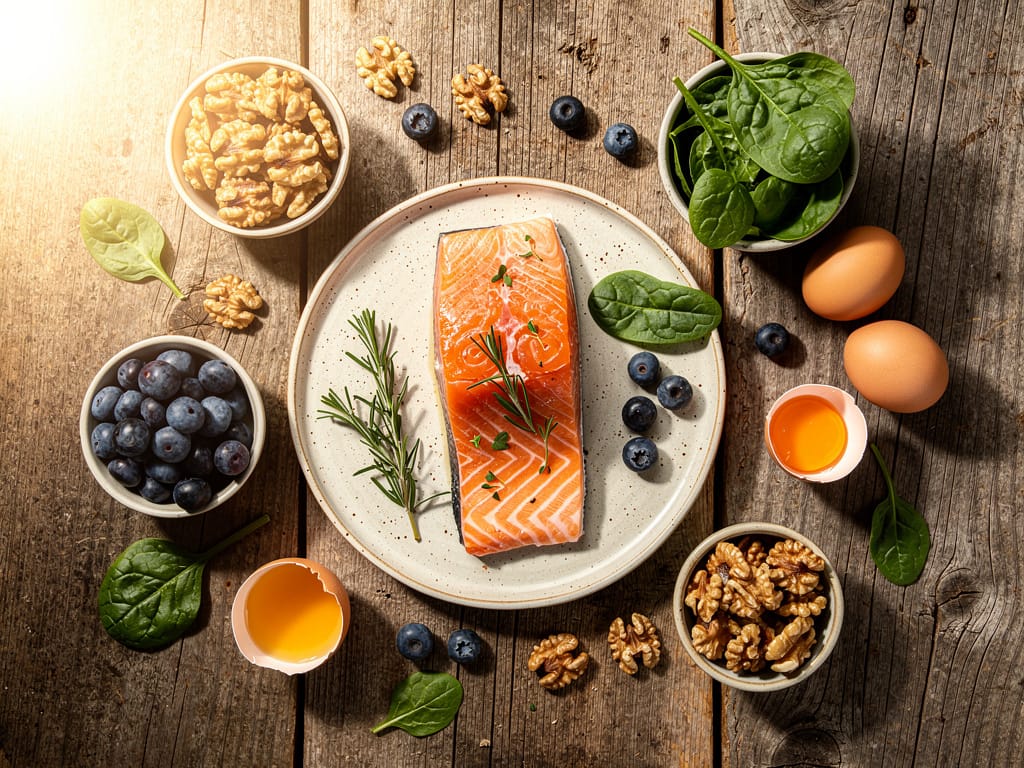
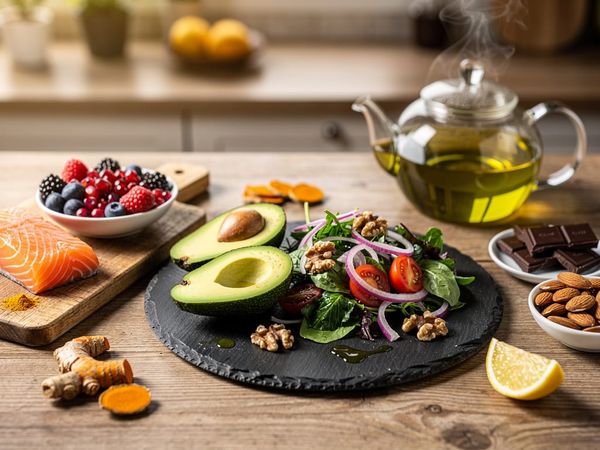
- Fuel Up with Goodness: Your hair is built from the nutrients you eat. Make sure your plate is full of variety. Think about including things like protein-rich foods (eggs, legumes, fish), iron sources (spinach, lentils), and foods high in omega-3s (salmon, walnuts). Zinc and biotin are also your hair's best friends.
- Be Gentle with It: Your hair might be a little more delicate now, so treat it with kindness. Avoid harsh chemical treatments, reduce heat styling when you can, and use a wide-tooth comb instead of a brush on wet hair to prevent breakage. A gentle scalp massage can also be amazing for stimulating circulation.
- Manage Your Stress: I know, I know-'just relax' is the most annoying advice ever. But finding a stress-management practice that works for you, whether it's a walk in nature, meditation, or just laughing with a friend, really does help your whole system, hair included.
- Stay Hydrated: It's simple, but it's true. Drinking enough water is foundational for every single cell in your body, including your hair follicles.
Remember, these changes are a natural part of a long, well-lived life. Your hair is telling a story of your experiences, your wisdom, and your journey. The goal is to feel strong and wonderful, at any age. Of course, if you're experiencing sudden or significant hair loss, it's always a good idea to chat with a qualified healthcare professional to rule out any underlying issues. This is all about supportive wellness, not medical advice.