Why Intermittent Fasting Can Help You Live Longer and Healthier


The clock ticks past noon, and the familiar morning hum of digestion is absent. In its place is a quiet energy, a sharpened focus that feels clean and uncluttered. For generations, we’ve been told that breakfast is the most important meal of the day, a rule set in stone. But what if our bodies have a different story to tell? What if periods of voluntary abstinence from food could unlock a deeper, more ancient form of self-preservation and renewal? This isn’t about starvation or extreme deprivation. It’s about rhythm. It’s about giving your body the space it needs to do what it does best: repair, reset, and rebuild.
Intermittent fasting is less of a diet and more of a timing pattern for your meals. It’s a conscious decision to cycle between periods of eating and not eating. The concept is simple, yet the effects ripple through our biology in profound ways. When we are constantly eating, our bodies are in a perpetual state of processing and storing energy. The hormone insulin is consistently elevated, signaling our cells to absorb glucose from the blood. But when we fast, this entire process shifts. Insulin levels fall, and our bodies begin to look for other sources of fuel, tapping into stored fat and, more importantly, initiating a series of deep cellular maintenance programs.
The Cellular Cleanup Crew
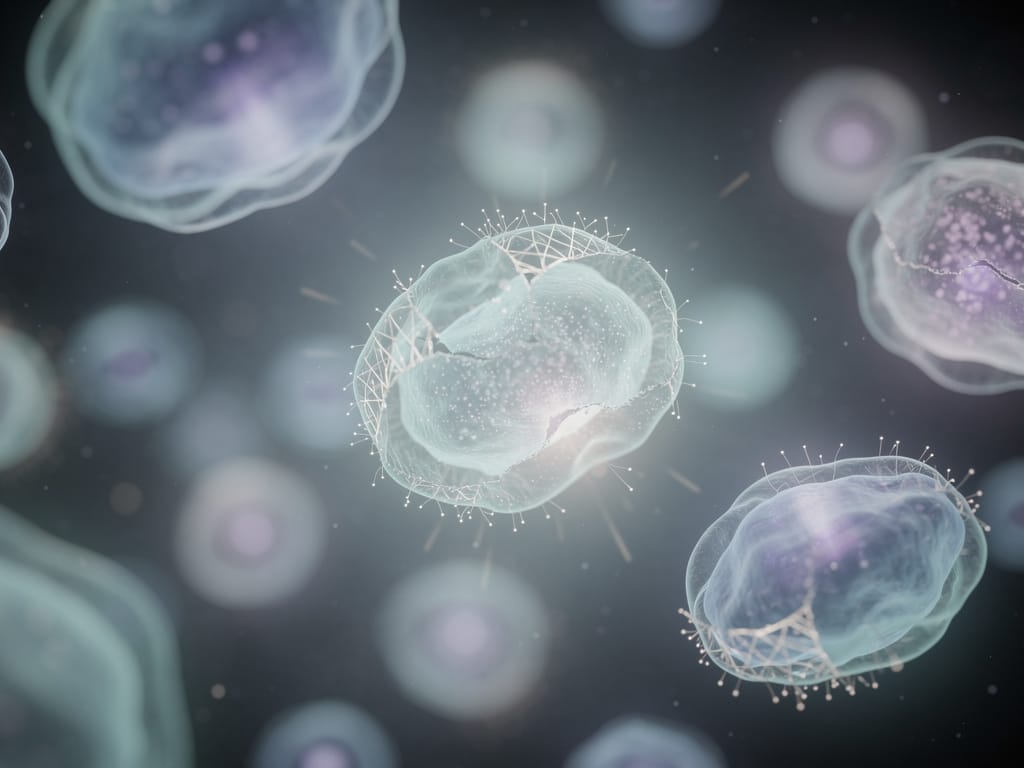
Imagine your body as a bustling city. Over time, some buildings get old, and waste accumulates in the streets. If the cleanup crews are always busy with other tasks, like managing new shipments of supplies (food), the city starts to break down. This is where a process called autophagy comes in. Triggered by fasting, autophagy is the body’s internal recycling system. It’s a way for our cells to identify and clear out damaged components, misfolded proteins, and other cellular debris that can contribute to aging and disease. This isn’t just tidying up; it’s a fundamental process of renewal that helps maintain cellular function and resilience.
Beyond the Scale: A Cascade of Benefits

While many people first explore intermittent fasting for weight management, its benefits extend far beyond that. By giving our digestive systems a rest, we allow our bodies to reallocate energy to other critical functions. Studies suggest that this metabolic switch can have a positive impact on insulin sensitivity, which is a cornerstone of metabolic health. Improved insulin sensitivity means your body can manage blood sugar more effectively, a key factor in long-term wellness.
The benefits also reach the brain. Some research indicates that fasting can support the production of Brain-Derived Neurotrophic Factor (BDNF), a protein that plays a huge role in the survival and growth of neurons. This may contribute to the feelings of mental clarity and sharp focus that so many people report during a fast. It’s as if by quieting the noise of constant digestion, we allow our minds to operate with less static and more signal.
Finding Your Personal Rhythm

There is no one-size-fits-all approach to intermittent fasting. The beauty of this practice is its flexibility. One popular method is the 16:8 schedule, where you fast for 16 hours and have an 8-hour eating window each day. For many, this simply means skipping breakfast and having their first meal at noon. Others might prefer the 5:2 approach, eating normally for five days a week and significantly reducing calorie intake on two non-consecutive days. The key is to find a pattern that fits your lifestyle, your body, and your personal health goals. Starting slow is always a good idea. Perhaps you begin with a 12-hour fast and gradually extend it as you become more comfortable. The goal is sustainability, not a sprint.

Ultimately, intermittent fasting is an invitation to listen more closely to your body’s innate wisdom. It’s a tool that can help you reconnect with natural cycles of hunger and satiety, empowering a more mindful relationship with food. By creating intentional pauses, you give your body the precious gift of time - time to clean house, repair, and fortify itself from the inside out. As with any significant change to your health routine, it is always best to speak with a qualified healthcare professional to determine if this approach is right for you and to guide you safely on your journey.