Why Some People Look 15 Years Younger Than Their Age


It's a common observation: two people of the same chronological age can look decades apart. One might have smooth skin, bright eyes, and an energetic posture, while the other shows more pronounced signs of aging. This striking difference isn't just a lottery of good luck. While genetics certainly play a foundational role in how we age, they only account for about 20-30% of the picture. The remaining 70-80% is heavily influenced by a dynamic interplay of lifestyle, environment, and daily habits. This powerful concept is at the heart of epigenetics - the study of how your behaviors and environment can cause changes that affect the way your genes work.
Think of your DNA as the hardware you're born with. Epigenetics, on the other hand, is the software that runs on that hardware. Your daily choices - the food you eat, how you manage stress, the quality of your sleep, and your level of physical activity - are constantly programming that software. These actions can switch certain genes 'on' or 'off', directly impacting cellular health, repair processes, and inflammation levels. Someone who consistently makes choices that support cellular regeneration can effectively slow down their biological clock, resulting in a more youthful appearance and greater physical resilience.
The cumulative effect of these habits is profound. For example, chronic inflammation, often driven by a diet high in processed foods and sugar, accelerates the breakdown of collagen and elastin, leading to wrinkles and sagging skin. In contrast, a diet rich in antioxidants and healthy fats protects cells from damage. Similarly, consistent, high-quality sleep is a period of intense cellular repair. When you consistently prioritize these pillars of health, you are not just hoping for the best; you are actively instructing your body to maintain its vitality and function at a higher level, which naturally reflects on the outside.

- Genetics vs. Lifestyle: Your genes are a blueprint, but lifestyle choices determine how that blueprint is expressed, accounting for the majority of how you age.
- The Power of Epigenetics: Daily habits like diet, exercise, and stress management can turn genes 'on' or 'off', directly impacting your biological age.
- Cumulative Impact: Small, consistent choices add up over time to either accelerate or slow the aging process at a cellular level.
- Key Pillars of Health: Nutrition, sleep, stress management, and physical activity are the primary levers you can pull to influence your youthful appearance.
Frequently Asked Questions
How much do genetics really matter?
Genetics absolutely set a baseline for your aging process. They can influence factors like your skin's natural collagen production, your predisposition to certain conditions, and your bone structure. However, it's a mistake to think of them as a fixed destiny. The science of epigenetics shows us that lifestyle can significantly alter genetic expression. Think of it this way: you might have a genetic predisposition for faster collagen breakdown, but a lifestyle rich in vitamin C, protective antioxidants, and consistent sun protection can send signals to your body that help counteract that tendency.
This means you have a great deal of control. Your daily habits are in constant communication with your DNA. By focusing on a nutrient-dense diet, managing stress, and getting enough sleep, you are actively participating in your own aging journey. You are providing your body with the tools it needs to optimize its inherited blueprint, which is why lifestyle choices often have a more visible impact than genetics alone.
What are the biggest lifestyle factors for looking younger?
Four pillars consistently stand out: nutrition, sleep, stress management, and exercise. A diet filled with anti-inflammatory foods, antioxidants, and proper hydration provides the building blocks for healthy skin and fights cellular damage. High-quality sleep is non-negotiable; it's when your body performs critical repair work, including producing human growth hormone, which helps maintain skin elasticity. Chronic stress is another major accelerator of aging, as the stress hormone cortisol can break down collagen and trigger inflammation.
Finally, regular physical activity boosts circulation, delivering more oxygen and nutrients to your skin cells. It also helps maintain muscle mass, which contributes to a more youthful body composition and posture. These four factors work together synergistically. Neglecting one can undermine the benefits of the others, while consistently nurturing all four creates a powerful foundation for maintaining a youthful appearance and feeling your best.
Can my diet actually reverse signs of aging?
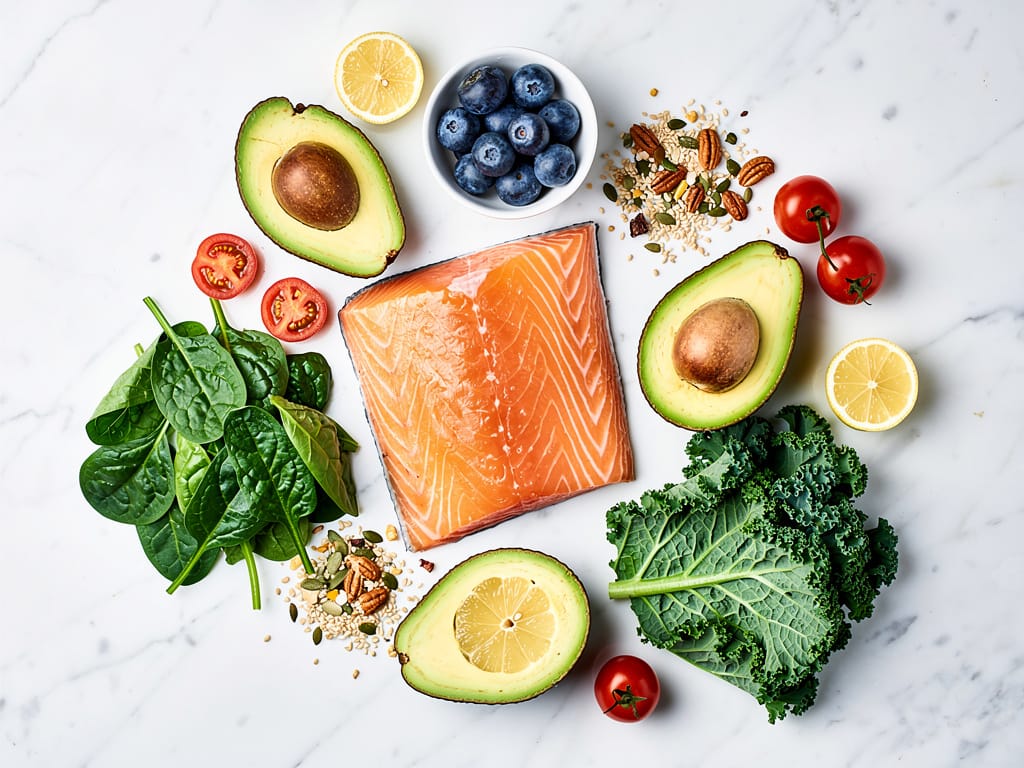
While no diet can turn back the clock in a literal sense, your nutritional choices can have a remarkable impact on your skin's health and appearance, helping to soften existing signs of aging and prevent future damage. Foods rich in antioxidants-like berries, leafy greens, and colorful vegetables-help neutralize free radicals, which are unstable molecules that damage cells and accelerate aging. Healthy fats, found in avocados, nuts, and olive oil, are essential for maintaining the skin's lipid barrier, keeping it hydrated and supple.
Furthermore, consuming adequate protein is necessary for building and repairing collagen and elastin, the proteins that give skin its structure and firmness. Hydration is also key; drinking plenty of water helps plump up skin cells, reducing the appearance of fine lines. By focusing on a whole-foods diet, you are giving your body the specific nutrients it needs to protect, repair, and regenerate from the inside out, leading to a healthier, more radiant complexion.
Is stress aging my face?
Yes, unequivocally. Chronic stress has a direct and measurable impact on your physical appearance, particularly your skin. When you are constantly stressed, your body produces an excess of the hormone cortisol. Elevated cortisol can trigger inflammation throughout the body and has been shown to break down collagen and elastin. This process, known as glycation, can lead to a loss of skin elasticity, the formation of wrinkles, and a dull complexion. Essentially, stress puts your body in a constant state of 'fight or flight', diverting resources away from regenerative processes like skin repair.
Beyond the hormonal effects, stress also impacts our behaviors. People under stress often sleep poorly, make less healthy food choices, and may furrow their brows or clench their jaws, leading to expression lines over time. Implementing consistent stress-management techniques-such as mindfulness, meditation, gentle exercise, or spending time in nature-is not just good for your mental health; it's a direct investment in maintaining a more youthful and relaxed appearance.