Why Your Face Looks Older Even When You Take Care of Yourself

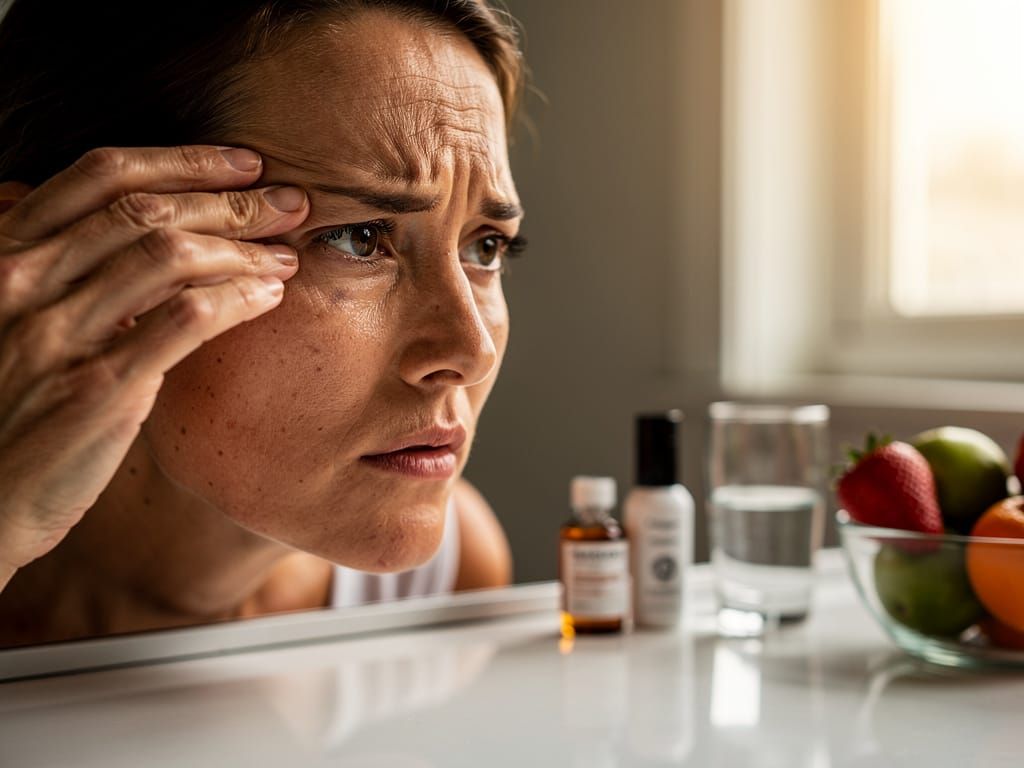
It's a frustrating experience. You invest in quality skincare, eat your greens, stay hydrated, and get decent sleep, yet the reflection in the mirror seems to be aging faster than you'd expect. You might see deepening lines, a loss of firmness, or a general dullness that doesn't align with your healthy habits. This disconnect is common, and it often points to a collection of subtle, underlying factors that go far beyond the surface of your skin. While a consistent skincare routine is a fantastic foundation, it's only one piece of a much larger puzzle.
The truth is, how we age visually is a direct reflection of our internal environment. Think of your body as a complex ecosystem where every system is interconnected. When one area is out of balance, the effects can ripple outward and manifest on your skin. These hidden stressors aren't always obvious; they can include low-grade systemic inflammation, subtle hormonal fluctuations, the cumulative impact of stress, and even the way your body processes certain foods. These processes operate beneath the surface, quietly accelerating the breakdown of collagen and elastin-the proteins that give skin its youthful structure and bounce.
Understanding these deeper influences is the key to making more impactful changes. It's about shifting the focus from just treating the symptoms-like a new wrinkle-to addressing the root causes. By looking at your health holistically, you can begin to identify the specific lifestyle and dietary habits that might be undermining your efforts. This approach isn't about perfection; it's about making informed, strategic adjustments that support your body's natural ability to repair and regenerate, leading to a healthier appearance that truly reflects the care you put in.
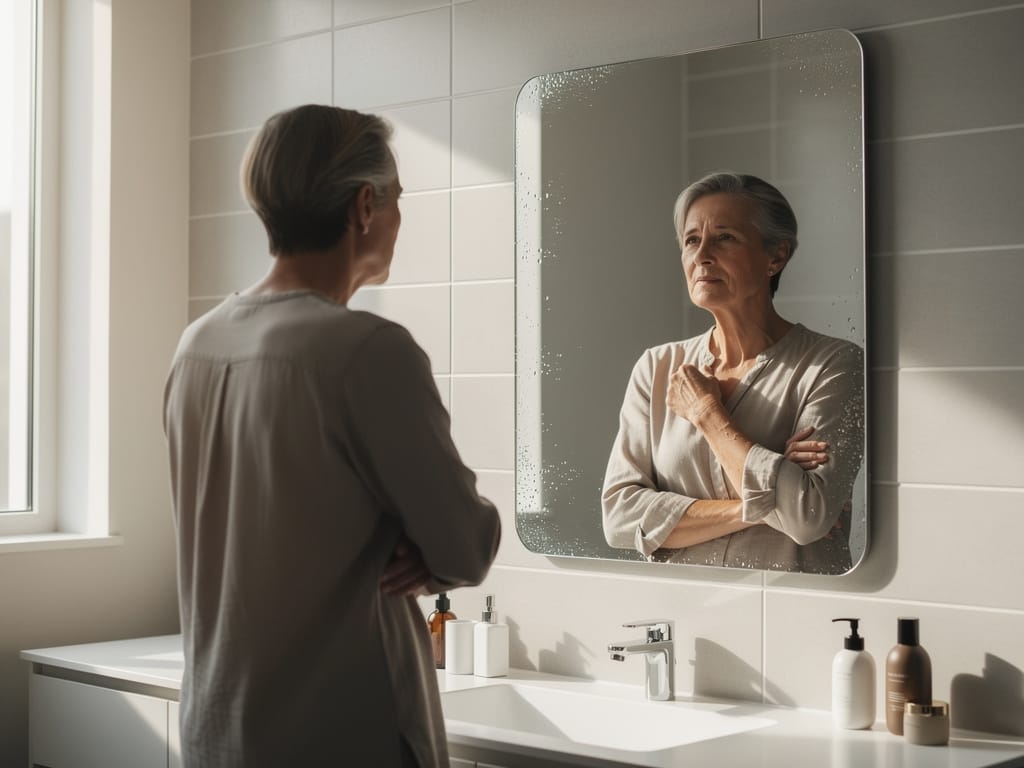
- Systemic Inflammation: Unseen internal inflammation can accelerate the breakdown of skin-firming proteins.
- Hormonal Shifts: Natural changes in hormones can impact skin thickness, moisture, and elasticity.
- Chronic Stress: Elevated cortisol levels from persistent stress can damage collagen and hinder skin repair.
- Dietary Factors: High sugar intake can lead to glycation, a process that stiffens and damages skin proteins.
- Inadequate Sleep: Poor sleep quality disrupts the body's critical cellular repair and regeneration cycles.
Frequently Asked Questions
How does hidden inflammation affect my skin?
When we talk about inflammation, we often think of redness or swelling from an injury. However, the more concerning type for aging is chronic, low-grade inflammation. This is a persistent, body-wide state often triggered by diet (like processed foods and excess sugar), chronic stress, or poor gut health. This internal fire generates a constant stream of free radicals, which are unstable molecules that attack and degrade collagen and elastin fibers. The result is a loss of skin firmness, elasticity, and the accelerated formation of fine lines and wrinkles, even if you're using the best topical serums.
Can my sleep habits really make me look older?
Absolutely. Sleep is not a passive state; it's when your body is in full-on repair mode. During deep sleep, your body releases growth hormones that help repair damaged cells, including skin cells. Consistently skimping on quality sleep short-circuits this essential process. It also leads to higher levels of cortisol, the primary stress hormone, which is known to break down collagen. Over time, poor sleep contributes to a compromised skin barrier, increased water loss, dark circles, and a dull, tired complexion that no amount of concealer can fully hide.
Are there lifestyle factors besides sun exposure that I'm missing?
While sun protection is non-negotiable, many other factors play a significant role. One of the biggest culprits is glycation. This happens when excess sugar molecules in your bloodstream attach to proteins like collagen, forming harmful new molecules called Advanced Glycation End-products (AGEs). These AGEs make collagen fibers rigid, brittle, and weak, leading directly to wrinkles and sagging. Beyond diet, consider environmental pollution, which can create oxidative stress on the skin, and even repetitive facial movements. Consistently squinting or frowning can etch permanent lines into the skin over time as it loses its elasticity.
Why does my face seem to lose volume as I age?
Facial volume loss is a multi-layered process that creams and serums cannot address. It's not just about your skin sagging; it's about changes in the underlying support structures. As we age, the fat pads in our face naturally begin to shrink and shift downward, leading to hollows under the eyes and less defined cheeks. Furthermore, the very bones of our face undergo a process of resorption, meaning we lose some bone density. This change in the facial skeleton reduces the scaffolding that our skin and muscles rest upon, contributing significantly to an older appearance. For any clinical concerns about aging, it is always best to consult a qualified healthcare professional.