Are You Hydrating Your Skin All Wrong?

Lasting skin radiance isn't found in a jar. True hydration is an internal process, and you might be missing the key steps.
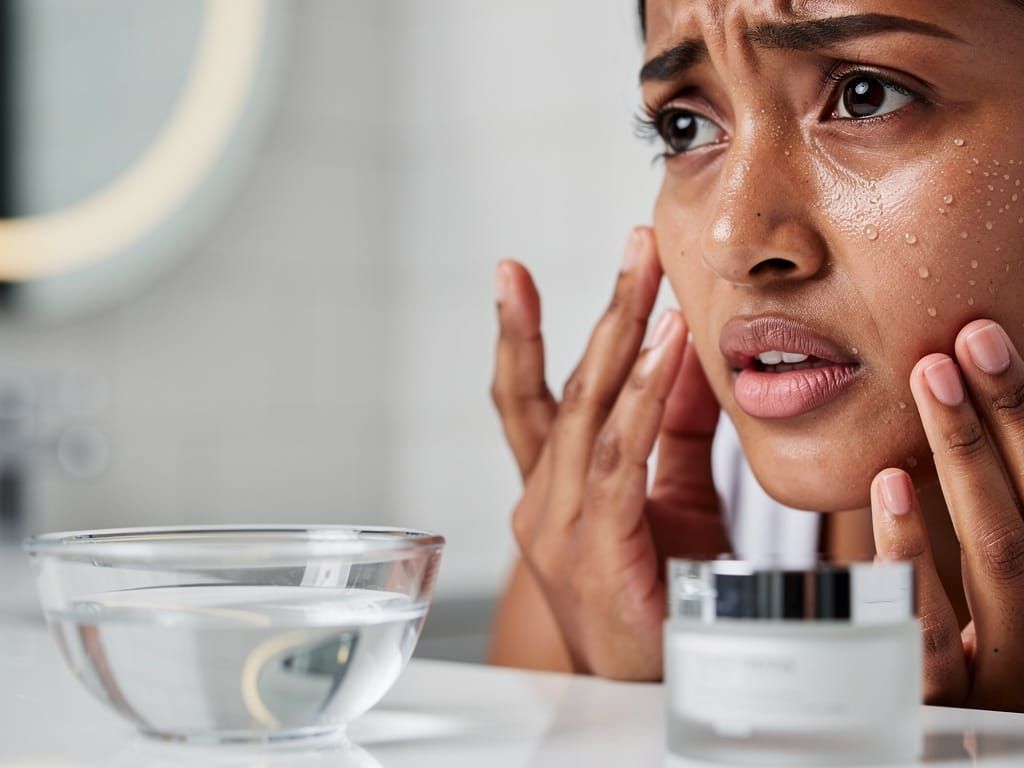
We follow the instructions with diligence. We cleanse, we tone, and then we apply that luxurious, expensive cream promising dewy, supple skin. We massage it in, feeling the temporary smoothness, and hope for the best. Yet, by midday, that tight, dry feeling often returns. The fine lines look just as prominent, and the promised glow remains elusive. This cycle of hope and disappointment leads many to a simple, frustrating question: why isn't this working? The answer is often found not in the product, but in the entire philosophy behind how we approach skin hydration.
The common approach is fundamentally flawed because it treats the skin as a surface to be sealed. It's an outside-in strategy that misunderstands the skin's basic biology. Your skin isn't a dry piece of leather that needs oiling; it is a living, breathing organ, the largest one you have, and its appearance is a direct reflection of its internal cellular health.
The Great Topical Illusion
Most moisturizers function in one of two ways. Some are occlusives, creating a physical barrier on the skin to prevent moisture from evaporating. Think of petroleum jelly or heavy oils. Others are humectants, like hyaluronic acid or glycerin, which act like tiny sponges, pulling water from the deeper layers of the skin or the air to the surface. While these can provide temporary relief and a smoother appearance, they don't solve the underlying problem. They are, in essence, cosmetic bandages. If your cells are dehydrated to begin with, a humectant is just borrowing water from an already low supply, and an occlusive is simply trapping in a state of dryness. The root cause of the dehydration-the health of the cells themselves-remains unaddressed.
True Hydration is a Cellular Event

Lasting, genuine skin hydration happens from the inside out. It is a story of cellular integrity. Every cell in your body, including your skin cells, is surrounded by a membrane composed largely of lipids-or fats. This membrane is the gatekeeper, deciding what gets in and what stays out. For a cell to be properly hydrated, it doesn't just need water; it needs a strong, healthy membrane capable of holding that water inside. When this lipid barrier is weak, cells can't retain moisture effectively, no matter how much water you drink. The result is cellular dehydration, which manifests externally as dry, dull, and inelastic skin.

Subscribe for Free Updates on Healthy Aging!
It's Not Just About Drinking More Water
The advice to 'drink eight glasses of water a day' is a well-intentioned but incomplete directive. Chugging large amounts of plain water can sometimes flush through your system too quickly, taking essential minerals along with it. The key is not just consumption, but absorption. Your body, and your skin, needs water that is accompanied by the electrolytes and minerals that help transport it into the cells. Furthermore, without a robust lipid barrier protecting those cells, the water you do manage to absorb can easily escape.

Building Resilient, Hydrated Skin from Within
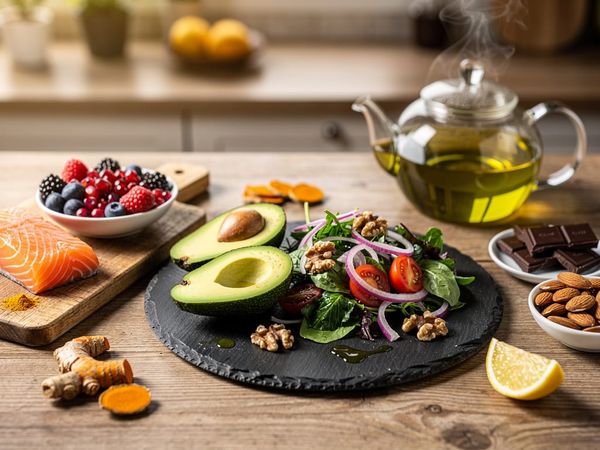
Shifting your focus from topical fixes to internal nourishment is the only sustainable path to deeply hydrated skin. This begins with your diet. Consuming healthy fats is non-negotiable for building strong cellular membranes. Foods rich in omega-3 fatty acids, such as wild-caught salmon, chia seeds, flaxseeds, and walnuts, provide the raw materials your body needs to construct these resilient, water-retaining barriers for every cell. Think of it as reinforcing the container so it can actually hold the water you put in it.
Next, hydrate intelligently. Sip water consistently throughout the day to allow for steady absorption. Enhance your water with a tiny pinch of unrefined sea salt or a squeeze of lemon to provide the trace minerals and electrolytes that facilitate cellular uptake. Incorporate water-rich foods into your meals-cucumbers, celery, bell peppers, and melons are not just food; they are sources of structured, mineral-rich water that the body can use with remarkable efficiency. This holistic strategy works because it honors the body's natural systems. It stops treating the symptom-dry skin-and starts supporting the foundational health that produces a radiant complexion as a natural side effect.
Ultimately, the quest for hydrated skin is not about finding the perfect cream. It is about building a body that is hydrated on a systemic, cellular level. When you provide the right internal building blocks-healthy fats, minerals, and consistent, intelligent water intake-your skin will reflect that deep, internal wellness with a lasting suppleness and glow that no jar can replicate. For any persistent skin concerns or before making significant changes to your diet, it is always best to consult with a qualified healthcare professional to ensure the approach is right for you.