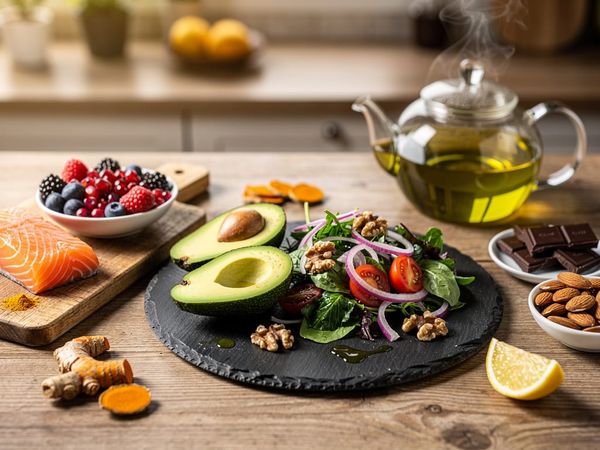
Eating the Rainbow for Cellular Rejuvenation

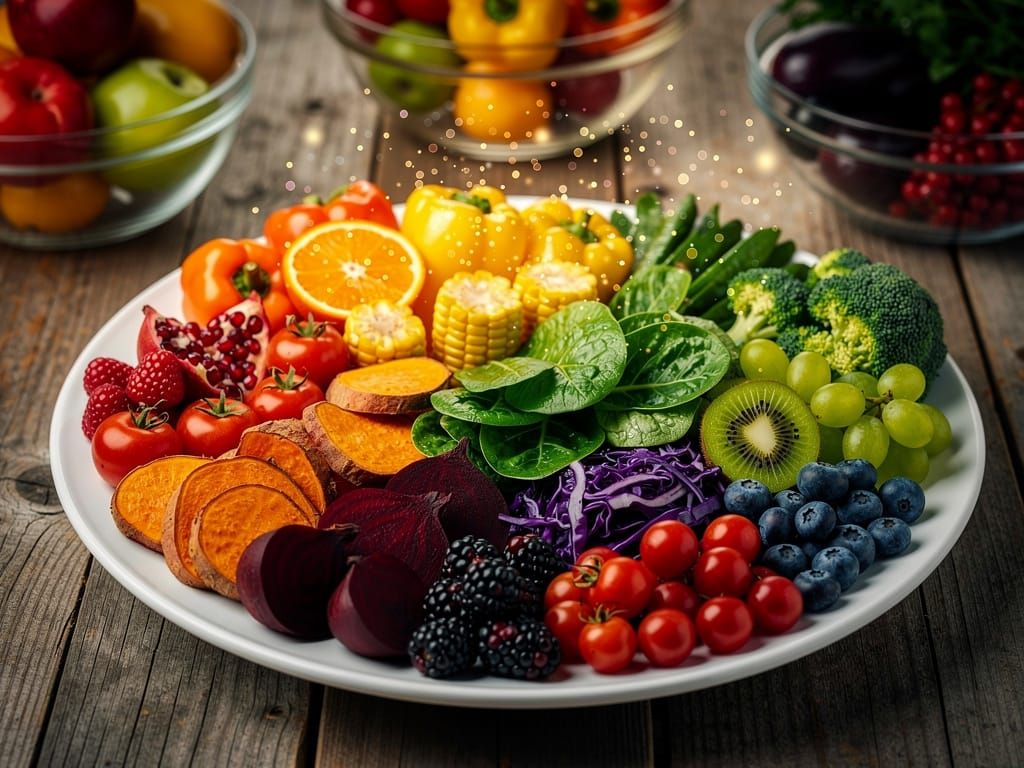
Discover how the pigments in your food directly impact cellular health and longevity.
The concept of 'eating the rainbow' is often presented as a simple guideline for healthy eating. While true, this advice holds a much deeper significance that connects directly to the health and resilience of your cells. It's not about aesthetics; it's about a strategic intake of specific plant compounds that combat aging at a microscopic level. Understanding this connection is the first step toward using your diet as a powerful tool for long-term vitality.
What does 'eating the rainbow' actually mean?
At its core, this principle advises consuming a wide variety of colorful fruits and vegetables. The vibrant colors in these plants are not just for show-they are created by thousands of different natural compounds known as phytonutrients. These are not vitamins or minerals, but protective substances that plants produce to shield themselves from environmental stressors like UV radiation, pests, and disease.
When we consume these plants, we inherit their protective benefits. A diet limited to just a few colors-say, greens and whites-means you are missing out on entire families of these beneficial compounds. Each color represents a unique profile of phytonutrients, and a diverse intake ensures your body receives a broad spectrum of these powerful agents for cellular defense and repair.
How do these plant compounds affect our cells?

The primary mechanism at play is the management of oxidative stress. Our cells are constantly under attack from free radicals, unstable molecules generated by normal metabolic processes and external factors like pollution. This relentless assault damages cellular structures, including DNA, and is a key driver of the aging process. Phytonutrients act as potent antioxidants, neutralizing these free radicals before they can cause harm.
Beyond antioxidant activity, many phytonutrients also have anti-inflammatory properties. Chronic, low-grade inflammation is another major contributor to age-related decline. Compounds like curcumin from turmeric (yellow) or anthocyanins from berries (blue/purple) can help regulate inflammatory pathways, creating a more stable internal environment that allows cells to function optimally and rejuvenate more effectively.
Which colors correspond to which benefits?
Think of it as a nutritional code. Red foods, like tomatoes and watermelon, are rich in lycopene, a phytonutrient linked to protecting against certain types of cellular damage. Orange and yellow foods, such as carrots and sweet potatoes, provide beta-carotene, which the body converts to Vitamin A, essential for immune function and cellular communication.
Green vegetables, from spinach to broccoli, are packed with compounds like lutein, zeaxanthin, and sulforaphane, which support detoxification pathways and protect cellular machinery. Blue and purple foods, like blueberries and eggplant, get their color from anthocyanins, powerful antioxidants known for their role in supporting brain health and cognitive function. Even white and brown foods, like garlic and mushrooms, contain unique compounds such as allicin, which has notable immune-supporting properties.
How can one realistically incorporate this into a daily diet?
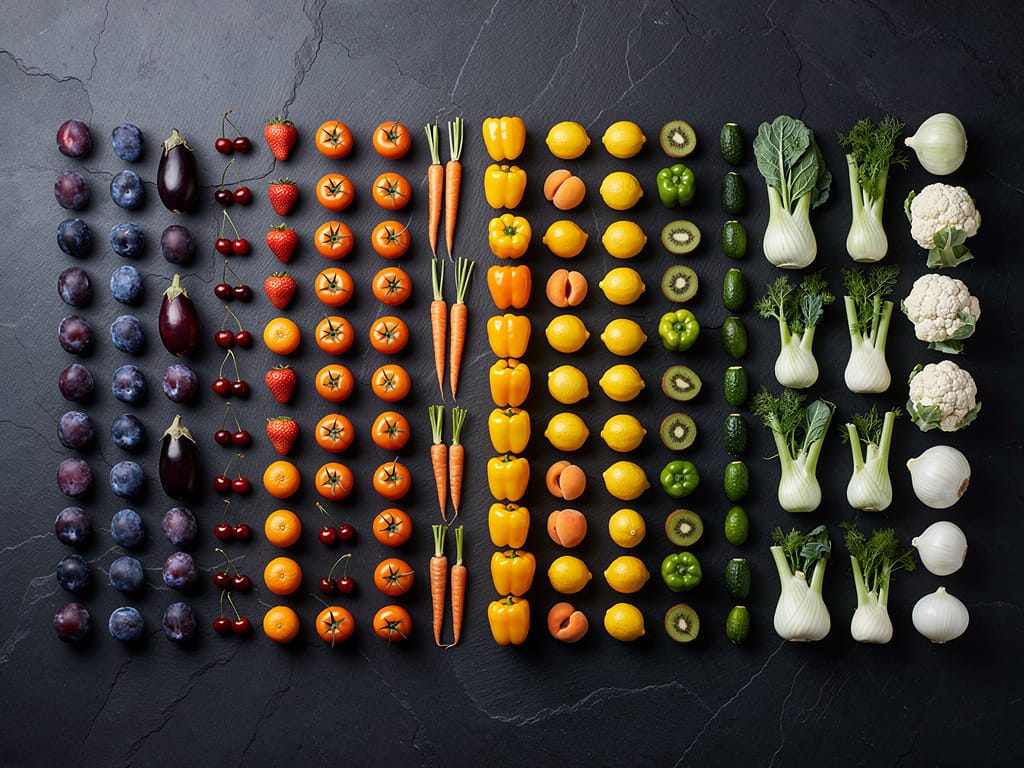
The goal is not perfection but consistent variety. Start by making small, intentional additions. Could you add a handful of berries to your morning oatmeal or yogurt? Can you swap a standard side dish for a colorful salad or a serving of roasted bell peppers? The objective is to make your plate as visually diverse as possible over the course of a day or week.
Another practical approach is to challenge yourself to try one new colorful fruit or vegetable each week. This not only expands your phytonutrient intake but also diversifies your gut microbiome, which is closely linked to overall health and inflammation levels. Focus on whole foods, as processing can strip away many of these delicate compounds. A simple stir-fry with a mix of colorful vegetables is a far better choice than a monochromatic plate.
Is this approach a substitute for professional medical advice?
Absolutely not. While a diet rich in phytonutrients is a foundational component of a healthy lifestyle, it is not a cure or treatment for any medical condition. This nutritional strategy is designed to support your body's natural processes, enhance cellular resilience, and promote long-term wellness. It is a proactive measure for health optimization, not a reactive solution for disease.
Always consult with a qualified healthcare professional or a registered dietitian for personalized advice, especially if you have existing health concerns or are considering significant dietary changes. They can help you build a plan that complements your individual health needs and ensures your nutritional goals are met safely and effectively. This information is for educational purposes only and should not be taken as medical guidance.