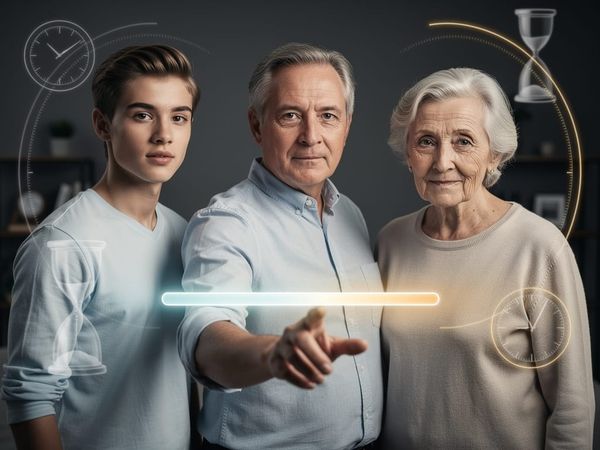
How Loneliness Physically Speeds Up Aging

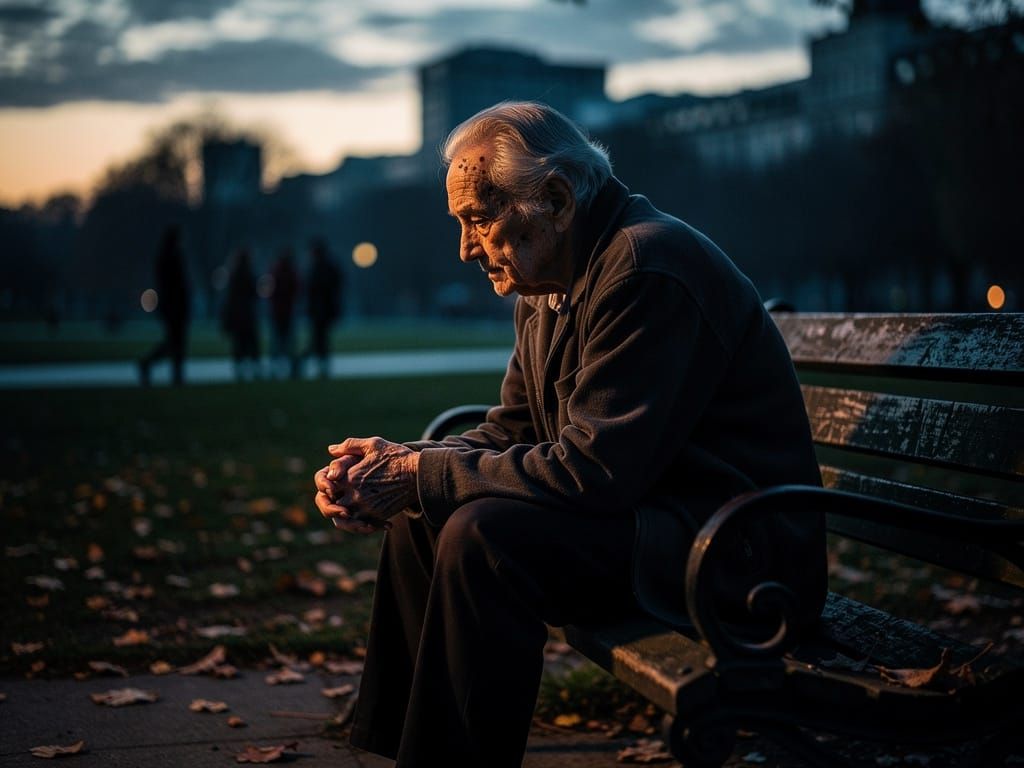
The Body Keeps Score - Even When You're Alone
Most people think of loneliness as an emotional state. A feeling. Something that belongs in the domain of therapists and self-help books.
Here's the truth: your body treats loneliness as a physical threat - and it responds accordingly, at the cellular level.
The science on this has been building for decades, and by now it is unambiguous. Chronic social isolation does not just make you feel older. It makes you biologically older, measurably and faster than your chronological age would suggest.
What Happens Inside a Lonely Body
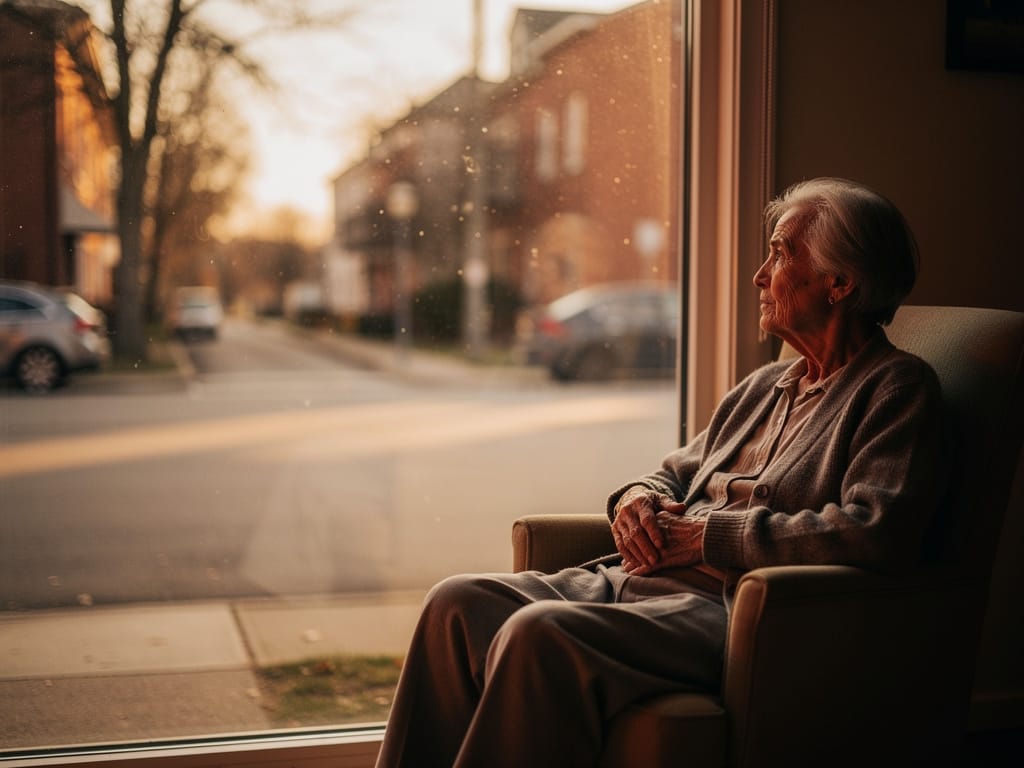
When the brain perceives persistent social disconnection, it triggers a low-grade stress response. The hypothalamic-pituitary-adrenal axis - the body's central stress regulator - stays subtly activated, keeping cortisol levels elevated over long stretches of time.
Elevated cortisol, sustained over months or years, is not a minor inconvenience. It suppresses immune function, disrupts sleep architecture, and accelerates the breakdown of muscle tissue. These are not metaphors. These are documented physiological cascades.
Inflammation: The Hidden Accelerant
Researchers at UCLA identified what they called a conserved transcriptional response to adversity - a gene expression pattern that shifts in people experiencing chronic loneliness. Specifically, genes that drive inflammation get dialed up, while genes responsible for antiviral defense get dialed down.
The result is a state of chronic low-grade inflammation - the same biological environment linked to accelerated cardiovascular aging, cognitive decline, and metabolic dysfunction. Your immune system, in essence, starts fighting the wrong battles while leaving the right ones unattended.
Telomeres: The Molecular Clock
Inside every cell, your chromosomes are capped by protective structures called telomeres. Think of them as the plastic tips on shoelaces - they keep the genetic material intact. Each time a cell divides, telomeres shorten slightly. When they become too short, the cell stops functioning properly. This is one of the core mechanisms of biological aging.
Multiple studies have found that people reporting high levels of loneliness show significantly shorter telomere length compared to socially connected individuals of the same age. The lonelier the person, the faster this molecular clock appears to tick.
Sleep Disruption and the Repair Deficit
Here is something that rarely gets discussed in this context. Loneliness profoundly disrupts sleep quality - not just the ability to fall asleep, but the depth and restorative architecture of sleep itself.
Research from the University of Chicago showed that lonely individuals experience more micro-awakenings throughout the night - brief interruptions in sleep that the person often doesn't consciously register, but which prevent the deep slow-wave sleep where cellular repair, memory consolidation, and hormonal restoration actually happen.
Poor sleep, night after night, compounds every other aging mechanism already in motion. It is a multiplier, not a standalone problem.
This Is Not About Being an Introvert
An important distinction deserves to be made clearly. Loneliness is not the same as solitude. A person who chooses quiet time alone and feels content is not experiencing the biological threat response described above. The damage comes from perceived social disconnection - the gap between the social connection a person wants and what they actually have.
An introvert with a few deep, reliable relationships is, biologically speaking, in far better shape than an extrovert surrounded by shallow acquaintances who still feels fundamentally unseen.
What You Can Actually Do About It
The research points toward quality over quantity, consistently. One or two relationships characterized by genuine trust and mutual investment appear to confer significant biological protection. You do not need a packed social calendar. You need real connection.
Consistent in-person interaction - even brief, regular contact with familiar people - has been shown to modulate the inflammatory markers associated with loneliness. Shared physical activity compounds this effect, layering the anti-aging benefits of movement with the regulatory benefits of social presence.
Volunteering, community involvement, and mentorship relationships have also shown measurable effects on loneliness-related biomarkers in older adults. The mechanism appears to be tied to purposeful connection - the sense that your presence matters to someone else.
If you are concerned that chronic loneliness may be affecting your health, speaking with a qualified healthcare professional is always the right first step. The biology described here is real, but so is the capacity for change - at any age.